Figure skating
A program is not just a routine; it is a sequence of choices made under pressure.
A figure skating program is a high-stakes architectural feat, where technical precision and artistic vision must survive the intense pressure of the ice. Mira Sloan explores the calculated risks and real-time choices that define the sport's demanding minutes.
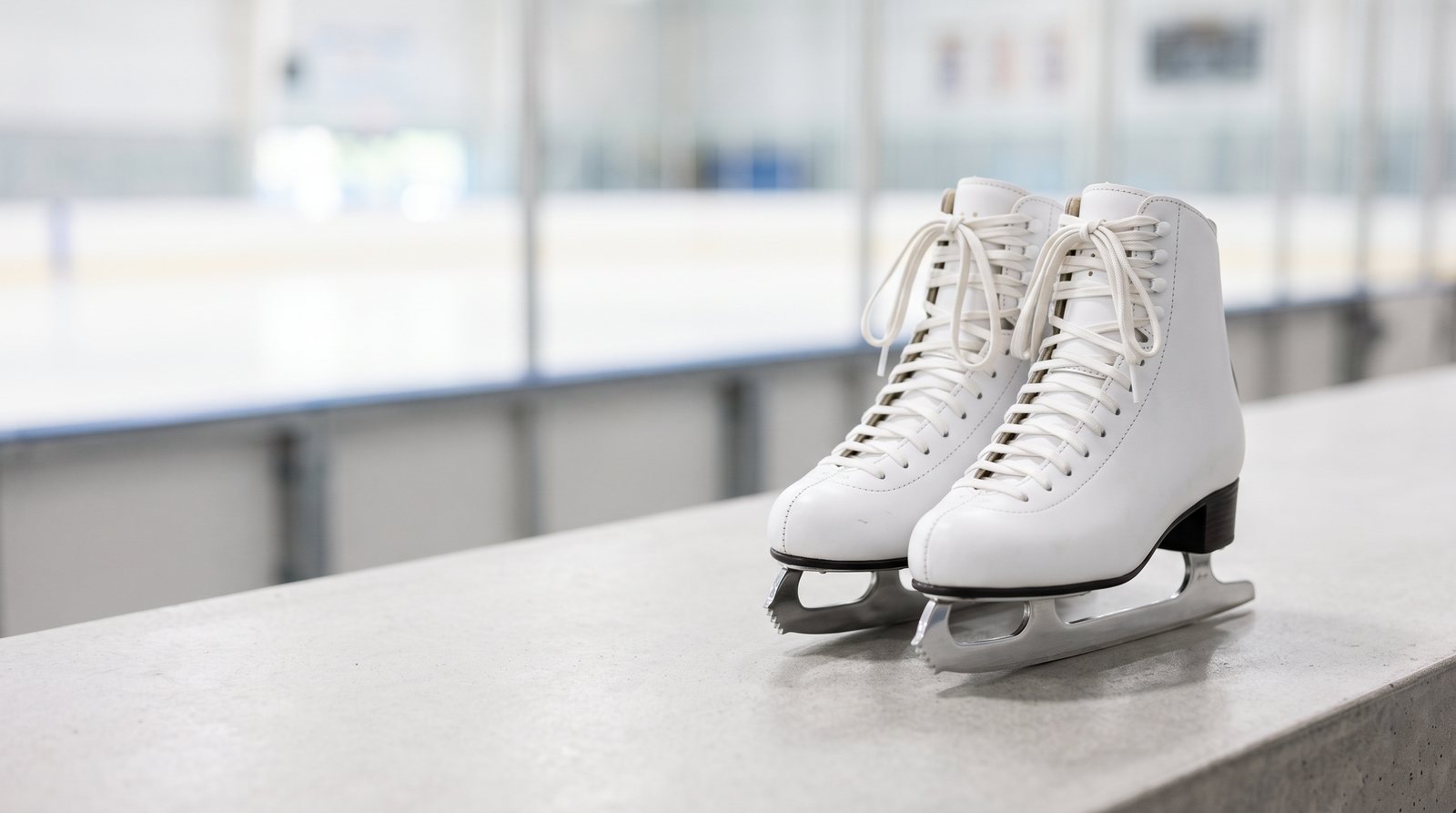
Figure skating is often perceived as a seamless fusion of dance and athletics, yet beneath the costumes lies a rigid framework of calculated risk. A competitive program is not merely a routine; it is a complex sequence of choices made under physical and psychological pressure. Every movement, from the initial glide to the final pose, is governed by physics and the requirements of the judging system. For a skater, the four minutes on the ice are a concentrated exercise in resource management, where energy and technical precision must be balanced against the constant threat of a single misstep. This structural integrity transforms a series of athletic feats into a cohesive narrative, demanding both the heart of an artist and the cold discipline of a technician.
The construction of a program begins months before, in the quiet hours of choreography where every second is accounted for. Coaches weave mandatory technical elements—jumps, spins, and step sequences—into a tapestry that satisfies the "Program Components" score. This involves a delicate negotiation between the skater’s natural strengths and the necessity of high-value difficulty. A jump is not simply a jump; its placement matters, as elements performed in the second half receive a bonus to account for fatigue. This strategic layering creates mounting tension, forcing the athlete to execute difficult maneuvers when their breath is shortest and their legs are heaviest. The result is a blueprint for performance that leaves little room for spontaneity, yet requires the appearance of effortless grace.
At the core of the sport is the relationship between the steel blade and the ice. The **edge** is the fundamental unit, a razor-thin distinction between success and failure. A skater must master four primary edges—inside and outside, forward and backward—and use them to generate power without the visible effort of pushing. In a high-pressure environment, the maintenance of these edges becomes a battle against centrifugal force and gravity. During a triple or quadruple jump, the takeoff depends on the millisecond of contact where the blade grips the ice. If the edge is too shallow, the jump loses height; if too deep, the skater risks a fall. This technical minutiae is the primary language of their craft, a constant tactile feedback loop informing every choice.
The era is defined by the pursuit of rotation. The transition from triple to quadruple jumps has pushed the human body to its physiological limits, requiring torque and air position that leaves no margin for error. A skater in mid-air must pull their limbs into a tight, vertical cylinder to maximize rotational velocity, a feat requiring core strength and spatial awareness. The pressure here is not just metaphorical; the force of landing a quadruple jump can be equivalent to several times the skater’s body weight. This physical impact must be absorbed instantly, transitioning from a high-speed descent into a controlled glide. The decision to attempt a specific number of rotations is often a "game-time" choice, influenced by the quality of the takeoff and the skater’s internal sense of position.
Competitive skating is a lesson in real-time problem solving. When a jump does not go as planned, the skater must immediately recalibrate the rest of their program. This is the **pressure** that defines the elite level. A skater must know their "jump math" perfectly, understanding how to move a planned combination to a later element or substitute a different jump to ensure they do not violate rules limiting the repetition of multi-rotational jumps. This mental agility is as critical as physical prowess. The ability to remain calm and analytical while the music continues to play and thousands of spectators watch is what separates a champion from a talented practitioner. The program becomes a living document, edited in the moment to maximize the score despite the setbacks, proving that resilience is vital.
The International Judging System has brought transparency to the sport, turning every performance into a data set. Each element is assigned a Base Value, modified by the Grade of Execution awarded by the judges. This system rewards precision and penalizes minor flaws, creating an environment where "playing it safe" is rarely a viable strategy for those seeking the podium. However, the technical focus must not come at the expense of the artistic presentation. Judges look for composition, presentation, and skating skills, categories that require the athlete to project emotion while performing terrifying physical feats. The tension between these two halves of the score—the objective technical and the subjective artistic—is the central drama of every program, a balance that is increasingly difficult to maintain as technical demands grow.
| Component | Focus Area | Scoring Basis | | :--- | :--- | :--- | | **Technical Elements** | Jumps, Spins, Steps | Base Value + Grade of Execution | | **Program Components** | Composition, Presentation, Skills | Subjective criteria (0.25 increments) | | **Deductions** | Falls, Time violations, Clothing | Mandatory point subtractions |
As the sport has progressed, the margin for error has narrowed to a vanishing point. In previous decades, a fall might not have precluded a gold medal if the rest of the performance was sufficiently brilliant. Today, the points lost from a fall are often insurmountable in a field of equally skilled competitors. This has led to a culture of specialization and training, where every movement is drilled into muscle memory to minimize the influence of nerves. Yet, the irony of figure skating is that the most successful programs are those that appear the most spontaneous. The skater must hide the effort and the constant internal calculations, presenting a facade of ease that belies the brutal reality of the sport’s demands, ensuring the audience sees only the beauty of the movement.
Ultimately, a figure skating program is an act of kinetic memory, a physical manifestation of years of repetition. When the music ends and the skater comes to a halt, the traces left by their blades on the ice tell the story of their journey. The deep curves of the step sequences, the centered circles of the spins, and the explosive gouges of the jump takeoffs are a temporary record of a sequence of choices made under pressure. For the audience, the program is a fleeting spectacle of beauty; for the skater, it is a definitive statement of their current capabilities and their ability to withstand the crucible of competition. It is a reminder that in the world of high-performance sport, excellence is not a single act, but a sustained series of deliberate decisions executed with precision.