Paddington dining
Saint Peter — Australian fish restaurant at The Grand National Hotel.
Josh Niland’s pioneering fish eatery has found a new home within the historic walls of Paddington’s Grand National Hotel, where the chef’s radical fin-to-scale philosophy continues to redefine the boundaries of sustainable Australian seafood.
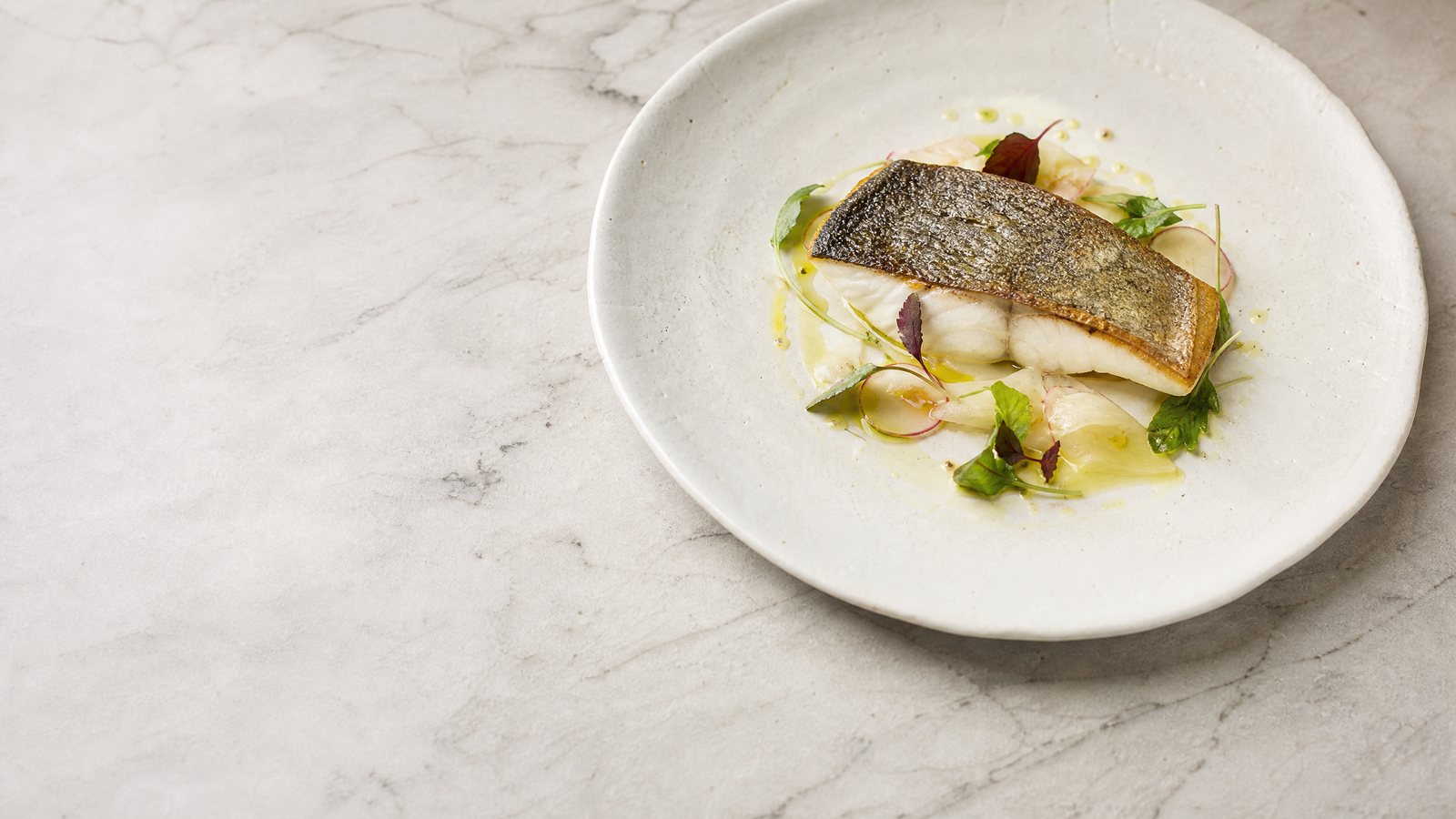
The relocation of Saint Peter from its original shopfront to the historic Grand National Hotel represents a significant milestone in Sydney’s culinary landscape [1]. Orchestrated by chef Josh Niland and his wife Julie in early 2025, this move is a profound expansion of a vision that has fundamentally altered the global conversation around seafood [4]. The Grand National, a landmark Victorian building in Paddington, now serves as a multifaceted destination where high-end gastronomy, casual bar culture, and luxury accommodation converge [2]. By taking over this historic site, the Nilands have created a space that finally accommodates the full scale of their ambition, moving beyond the constraints of a traditional restaurant to offer a comprehensive experience that celebrates the diversity and potential of Australian aquatic life [3].
At the heart of Saint Peter’s appeal is Josh Niland’s radical "fin-to-scale" philosophy, which treats fish with the rigorous anatomical respect traditionally reserved for land-based proteins. This approach is grounded in the belief that up to ninety percent of a fish can be utilized for human consumption, a staggering increase from the industry standard of approximately forty-five percent. In the new kitchens of the Grand National, this philosophy is executed with even greater precision. The restaurant’s dry-aging rooms, visible to diners, showcase large specimens of broadbill, tuna, and grouper hanging like sides of beef. This process, which removes moisture and intensifies flavor while improving texture, allows for the creation of "fish charcuterie" such as swordfish bacon and fish eye chips, all while reducing the environmental footprint of the dining room.
The design of the new Saint Peter balances heritage preservation with contemporary luxury. The 40-seat main dining room is an intimate space that emphasizes the connection between the guest and the ingredient, featuring a neutral palette that allows the vibrant colors of the daily-changing menu to take center stage [2]. Adjacent to the dining room is a 30-seat walk-in bar, offering a more relaxed environment for locals and visitors to engage with Niland’s work through a shorter, more accessible menu [3]. The renovation has carefully maintained the hotel’s original architectural features, such as the grand staircase and high ceilings, while integrating modern elements that reflect the restaurant’s forward-thinking ethos. This synergy creates an atmosphere that is both sophisticated and grounded, mirroring how Niland uses traditional techniques to achieve revolutionary results.
Dining at Saint Peter is structured as a three-part journey that guides guests through different facets of the Nilands' culinary world [4]. The experience often begins at the bar, where guests enjoy oysters—some grown specifically for the restaurant in partnership with local producers—paired with a curated selection of Australian wines. From there, the journey moves into the main dining room for a set tasting menu that might include dry-aged King George Whiting or meticulously prepared Murray Cod. The meal is designed to be educational as well as sensory, with staff providing detailed information about the provenance of each species and the specific butchery techniques employed. This structured approach ensures that every guest leaves with a deeper understanding of the complexity and fragility of the marine ecosystems that provide their meal.
The concept of the "Fish Butchery" is perhaps the most distinctive element of Saint Peter’s operation, and the new location allows for a more integrated display of this craft. Niland’s techniques involve treating every part of the fish—from the liver and heart to the scales and swim bladder—as a valuable culinary asset. This requires an extraordinary level of skill and a deep knowledge of fish anatomy, which the kitchen team demonstrates daily. By applying butchery principles to seafood, Saint Peter challenges the prevailing notion that fish is a delicate, uniform product. Instead, it is presented as a diverse range of textures and flavors, each requiring a different method of preparation. This focus on craftsmanship not only elevates the dining experience but also serves as a powerful argument for a more sustainable and respectful relationship with our oceans.
The impact of Saint Peter’s move on the Paddington neighborhood has been immediate and profound. As one of Sydney’s most historic suburbs, Paddington has long been a hub for fashion and dining, but the arrival of a world-class destination like the Grand National has revitalized the local scene. The hotel now serves as a community anchor, drawing international food enthusiasts while remaining a cherished spot for residents [2]. The inclusion of 14 luxury guest rooms upstairs further enhances this, allowing visitors to fully immerse themselves in the Saint Peter experience [3]. Each room is designed with the same attention to detail as the restaurant, offering a retreat that is both elegant and comfortable. This holistic approach to hospitality ensures that the Grand National is not just a place to eat, but a place to stay and reflect on the values of sustainability.
Sustainability is the fundamental principle that dictates every decision made in the kitchen and the dining room. By sourcing exclusively from sustainable Australian fisheries and utilizing nearly every part of the fish, the restaurant sets a new standard for environmental responsibility in the hospitality industry. This commitment extends to the bar and the hotel rooms, where plastic-free initiatives and local sourcing are prioritized. Niland’s work has garnered international acclaim, including a consistent presence on the World’s 50 Best Restaurants list, but his focus remains firmly on the local context. He works closely with fishers to ensure that the species brought to the restaurant are harvested at the right time and in the right way, fostering a supply chain that is as transparent as it is ethical.
Ultimately, Saint Peter at the Grand National Hotel is a landmark of modern Australian culture. It represents a shift in how we value our natural resources and a celebration of the creativity that can emerge when we choose to look at familiar things in new ways. Whether one is visiting for a quick drink at the bar, a celebratory meal in the dining room, or an overnight stay in one of the guest rooms, the experience is consistently defined by a sense of purpose and a commitment to quality. The Nilands have created a legacy that will undoubtedly influence generations of chefs and diners to come, ensuring that the story of Australian seafood continues to be told with the respect, innovation, and passion it deserves. As the culinary world continues to grapple with the challenges of overfishing, Saint Peter stands as a beacon of hope and a practical model for change.
References [1] Saint Peter. https://www.saintpeter.com.au/ [2] Wallpaper*. Grand National Review. https://www.wallpaper.com/travel/hotels/the-grand-national-hotel-by-saint-peter-sydney-review [3] Michelin. Saint Peter Sydney. https://guide.michelin.com/en/hotels-stays/sydney/the-grand-national-hotel-by-saint-peter-16396 [4] Good Food. Josh Niland. https://www.smh.com.au/goodfood/sydney-eating-out/top-chef-josh-niland-reveals-details-about-two-hatted-saint-peter-s-grand-new-home-20240426-p5fmrj.html