Paddington dining
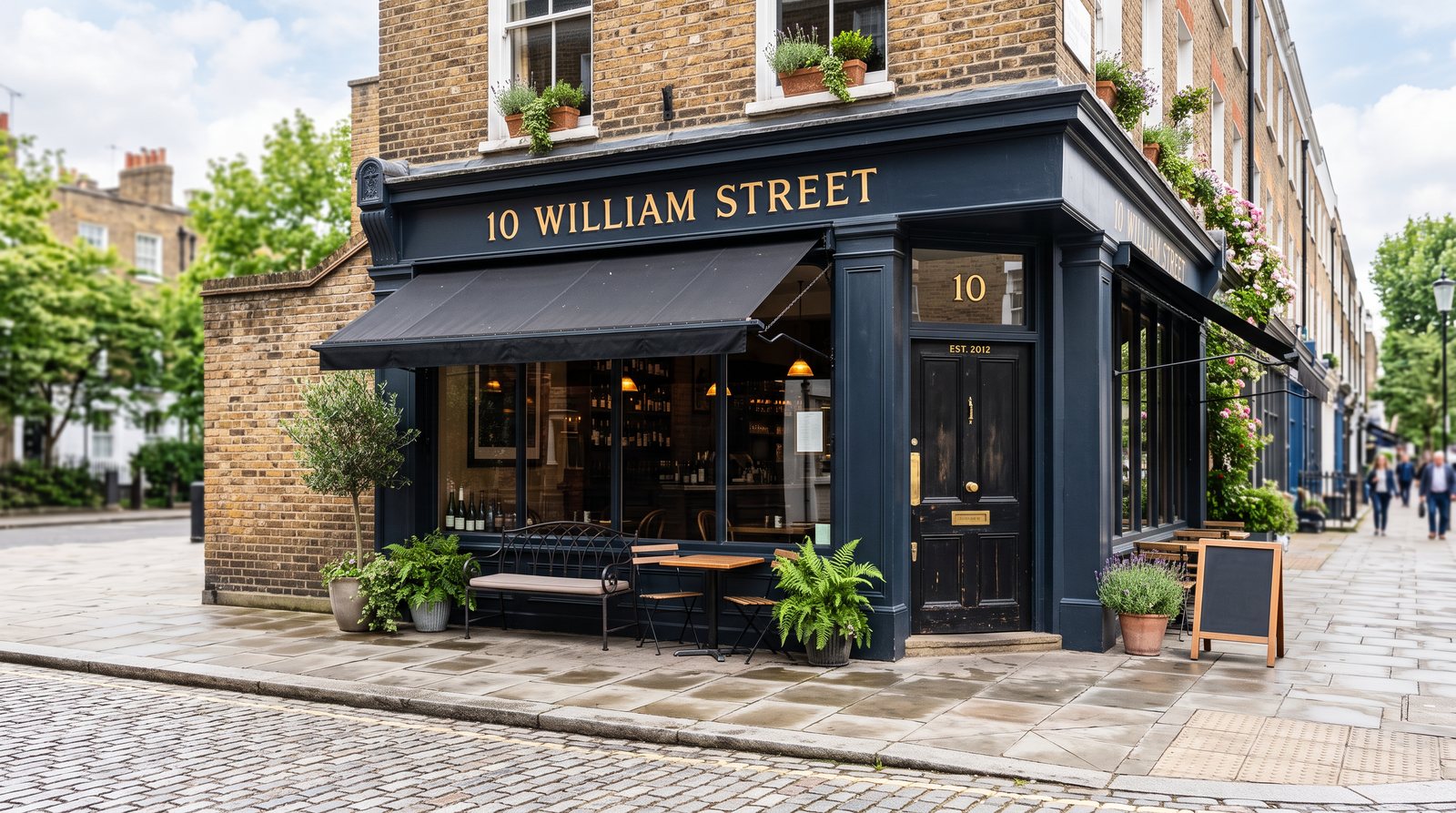
10 William Street — Wine bar and restaurant on William Street.
Gloucester serves as the historic gateway to the World Heritage-listed Barrington Tops, where the Buccan Buccans watch over a verdant valley shaped by ancient rivers, gold rush heritage, and the enduring traditions of the Guringay people.
Gloucester sits at a geographic crossroads in the Mid North Coast of New South Wales, where the Barrington, Gloucester, and Avon Rivers converge. This triple-river junction defines the town’s identity, creating a fertile basin that serves as the gateway to the rugged Barrington Tops National Park. Arriving in Gloucester means entering a landscape of transition, where rolling green pastures begin their steep ascent toward the sub-alpine wilderness of the Great Dividing Range. The town acts as a vital basecamp, offering a moment of heritage before the road climbs into the heights of the Gondwana Rainforests. For visitors, the town is a destination that anchors the surrounding wilderness to a history of human settlement and agricultural endurance.
Dominating the western horizon are the Buccan Buccans, known as the Bucketts Mountains. These jagged granite spires are a site of profound spiritual significance for the Guringay people. In the Kattang language, Buccan Buccan translates to "father of stones looking down on sacred land," capturing the mountains’ watchful presence over the valley. Historically, these peaks were the site of male initiation ceremonies, where young Guringay boys underwent rituals of transition. Today, the 1,370 hectares of native vegetation clinging to the rocky outcrops are protected, ensuring that the silhouettes which have guided travelers for millennia remain undisturbed. The sight of the sun setting behind these ancient rocks remains one of the most iconic views in regional New South Wales.
The European history of Gloucester began in the early 19th century, with surveyor Henry Dangar passing through in 1826. Dangar was followed by Robert Dawson, representing the Australian Agricultural Company, which dominated the region’s early development. By 1855, the town was formally established, built upon the wealth of the surrounding land. Deep volcanic soils proved ideal for dairy farming and cattle grazing, industries that still underpin the local economy. Walking through the main street, one can see the architectural legacy of this prosperity in well-preserved brick buildings and the grand Gloucester Hotel. These structures tell a story of a community that found stability in the rhythm of the seasons and the reliable flow of the rivers.
Beyond the pastures, the hills once echoed with a different industry. The discovery of gold at nearby Copeland Tops in the late 1870s triggered a rush that transformed the quiet valley into a bustling hub. While the gold eventually thinned, the timber industry provided a new source of wealth. The vast forests of the Barrington Tops offered a supply of high-quality cedar and hardwood, hauled down the steep slopes by bullock teams. This era of logging helped build the region's infrastructure, from the bridges crossing the Avon to the railway lines. Today, the remnants of old mines and logging tracks serve as hiking trails, allowing visitors to trace the footsteps of the workers who once carved a living from the bush.
The journey from Gloucester into the Barrington Tops National Park is a study in ecological diversity. As elevation increases, the subtropical rainforest gives way to temperate forests and a sub-alpine plateau over 1,500 meters above sea level. This ascent is one of the state's most dramatic, taking travelers from the warmth of the valley into a cool-climate wilderness where snow is common in winter. The park, gazetted in 1969, covers over 76,000 hectares and is a crucial part of the World Heritage-listed Gondwana Rainforests. It protects a landscape that has remained largely unchanged for millions of years, offering a rare glimpse into the continent’s prehistoric past. The air grows thinner and crisper as one nears the summit.
Within the high-altitude reaches of the park lie the ancient Antarctic Beech forests, among the most significant biological treasures in Australia. These gnarled, moss-covered trees are direct descendants of the flora that covered the supercontinent of Gondwana before it drifted apart. Walking through the forest at Gloucester Tops, one is struck by the silence and the sense of deep time. The trees, some hundreds of years old, support a complex ecosystem of ferns, orchids, and rare birdlife, including the elusive Rufous Scrub-bird. This is a place where the biological heritage of the planet is actively preserved, standing as a living museum of evolutionary history. The protection of these forests ensures that the genetic legacy of the ancient south remains intact.
The rivers meeting at Gloucester remain the lifeblood of the region, providing water for the valley and a playground for outdoor enthusiasts. The Barrington River is renowned for its crystal-clear water and gentle rapids, making it a favorite for kayaking and canoeing. In warmer months, the riverbanks are lined with campers and swimmers, while anglers try their luck for freshwater bass. The Avon and Gloucester Rivers offer quieter reaches, where the water reflects the towering gums and the flight of azure kingfishers. These waterways are the connective tissue of the landscape, carrying the nutrients of the mountains down to the plains and providing a constant reminder of the natural forces that continue to shape the life of the town.
In the modern era, Gloucester has rebranded itself as a destination for nature-based tourism. The town’s cafes and boutique shops cater to a new generation of visitors who come for the fresh air and the opportunity to disconnect. Despite this modern veneer, the town retains its authentic country character, with regular farmers' markets showcasing the produce of the surrounding volcanic soil. The community remains deeply connected to the land, participating in conservation efforts to protect the rivers and the mountains. Whether it is the lilac of the jacarandas in spring or the golden hues of autumn, the town experiences the seasons with a clarity that is often lost in larger cities, offering a sense of grounding.
Gloucester stands as a testament to the relationship between a community and its environment. The jagged peaks of the Buccan Buccans and the ancient canopy of the Barrington Tops provide a constant backdrop to the daily lives of its residents. By preserving its heritage buildings and honoring its traditional custodians, the town has created a cultural landscape as rich as its natural one. The synthesis of history, industry, and wilderness makes Gloucester a unique anchor in the New South Wales high country, a gateway that invites exploration while offering a home to return to. As the mist settles over the Avon River at dusk, the town remains a quiet sentinel at the foot of the mountains, a historic gateway watching over the wilderness.