Paddington dining
The Palomar — Mediterranean restaurant at 7 Oxford Street.
Australia’s second-oldest city has evolved into a sophisticated center of galleries and surf-fringed coastlines. From historic ocean baths to the ANZAC Memorial Walk, Newcastle blends its industrial roots with a modern metropolitan energy.
Newcastle, Australia’s second-oldest city, is a study in transition, where industrial history meets a sophisticated coastal culture. Positioned at the mouth of the Hunter River, the city was once defined by coal and steel, a landscape of chimneys and working docks. Today, the harbourside precinct has been reimagined, integrating its past into a modern metropolitan energy. The result is a city that feels grounded yet airy, where nineteenth-century masonry meets contemporary galleries. Geography dictates the pace of life here, and the proximity of the Pacific Ocean ensures that urban moments are never far from the sound of the tide.
The city's industrial roots remain visible in its architecture and street layout. The harbourside, once restricted to heavy labor, is now a public space inviting exploration. Historic buildings that once housed customs offices have been repurposed into centers for dining and creative work. There is a specific care in how these structures have been maintained, preserving weathered brickwork and sturdy timber beams. Walking along the wharf, the industrial scale of old cranes provides a dramatic backdrop for new developments. This juxtaposition creates a sense of continuity, reminding visitors that current prosperity is built upon the foundations of a working-class heritage.
The coastline is Newcastle’s most defining feature, with golden beaches stretching from Nobbys Head to the rugged breaks of Merewether. Connecting these points is the Bathers Way, a scenic coastal walk that serves as the city’s primary artery for movement. To walk this path is to see the city at its most relaxed. The surf-fringed coastlines are central to the local identity, not merely a backdrop for leisure. Every morning, the path is occupied by residents moving between the sand and the city, a daily ritual that blurs the line between the natural world and the urban environment. The beaches are integrated into the city’s grid, accessible within minutes from the central business district.
Among the most remarkable features of this coastline are the historic ocean baths. The Newcastle Ocean Baths, with their distinctive Art Deco pavilion, have served as a meeting point for generations. Further south, the Bogey Hole, a sea bath carved into the rock by convicts in the early nineteenth century, remains one of the city's most evocative sites. These baths are monuments to civic generosity, providing public spaces where the power of the ocean is tempered by human design. They are places of slow looking, where the changing morning light reflects off still water and the sound of waves crashing against outer walls provides a rhythmic soundtrack to the act of swimming.
Rising above the coastline is the ANZAC Memorial Walk, a poignant addition to the landscape offering a unique perspective on history and geography. The winding steel bridge, commemorating the centenary of the ANZAC landing and the city’s industrial contribution to the war effort, provides panoramic views across the Pacific and toward the city skyline. From this vantage point, the scale of Newcastle becomes clear: residential streets climbing the hills, the harbour winding inland, and the distant silhouette of the Nobbys Head lighthouse marking the port entrance. The memorial is a place of quiet reflection, where names of local soldiers are etched into steel amidst the natural beauty of the cliffs.
The city’s creative scene has flourished, driven by a community that values the experimental and the local. Boutique galleries and artist-led spaces have taken up residence in older buildings, turning former retail shops into hubs for contemporary art. This shift was supported by initiatives allowing artists to occupy vacant spaces, revitalizing the city center and fostering a culture of innovation. Today, that energy is visible in the street art adorning city walls and small-scale exhibitions showcasing local makers. The creative scene is not a separate industry; it is part of the social fabric, a way for the community to process its history and imagine its future.
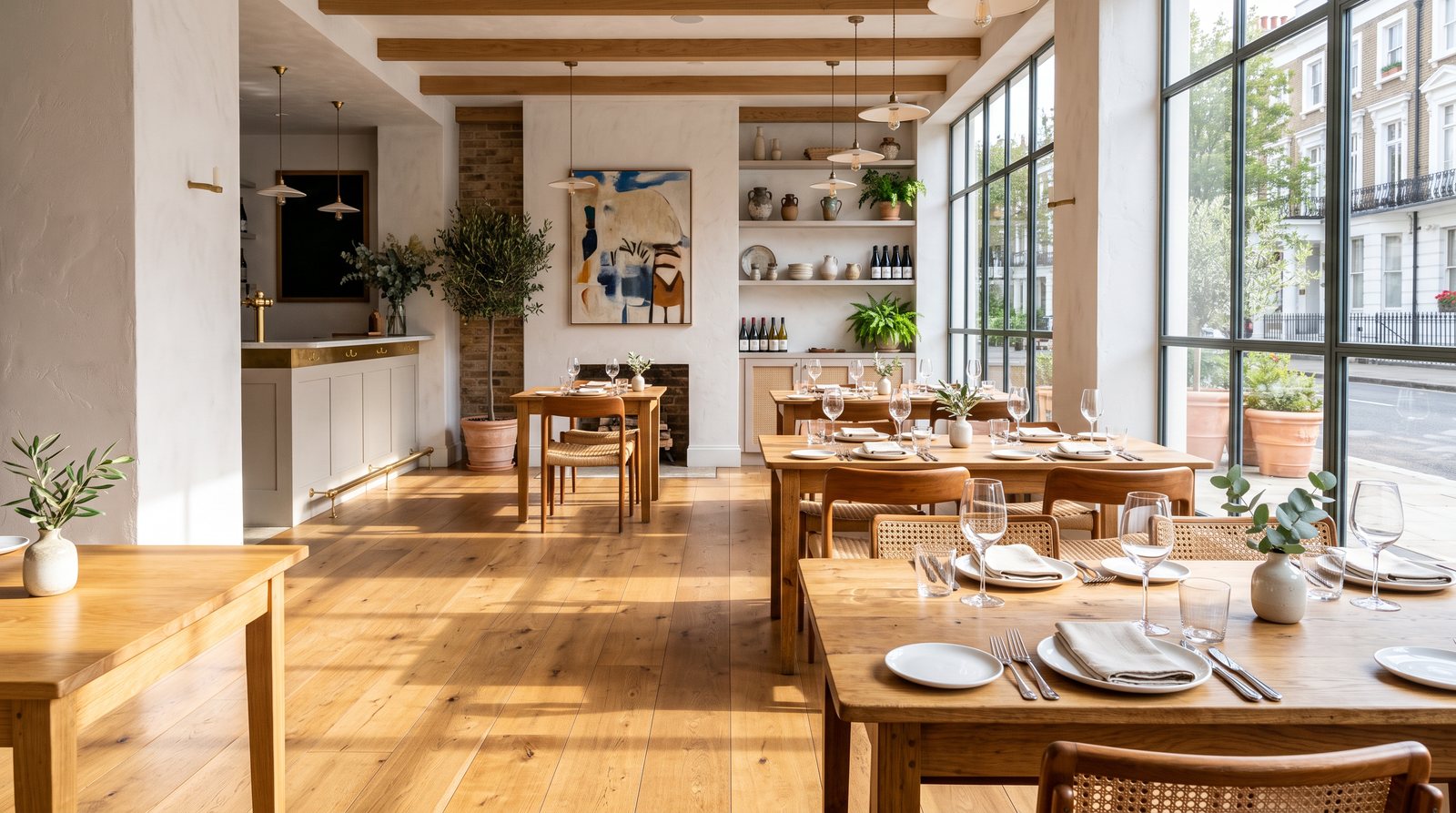
Dining in Newcastle has evolved toward a refined, site-specific culture celebrating the produce of the surrounding Hunter region. The harbourside and city center are home to restaurants and roasters that treat traceability as a core part of their story. Whether it is a café in a heritage terrace or a dining room overlooking the water, there is a consistent emphasis on quality. The dining scene reflects the city’s character—sophisticated without being pretentious, and deeply connected to the local environment. At night, the city’s diners and bars become social circuits where conversation is as important as the food, and the community gathers to enjoy the unique rhythm of the Newcastle evening.
The architectural landscape is a rich tapestry of eras, reflecting a long and varied history. Victorian terraces with intricate ironwork stand alongside sturdy Art Deco buildings and sleek modern apartment blocks. This diversity is most apparent in older suburbs, where streets are lined with houses carefully restored. There is a palpable pride in the city’s built form, a recognition that these buildings are keepers of memory. Even as new structures are added to the skyline, there is a commitment to ensuring developments respect the scale of existing neighborhoods. The result is an urban environment that feels textured and layered, where every corner has a story to tell.
Ultimately, Newcastle is a city that has mastered the art of being both historic and contemporary. It rewards the patient traveler who is willing to walk the Bathers Way, sit in the ocean baths, and explore the galleries tucked into side streets. The metropolitan energy defining the city today is a quiet, confident vitality born from knowing its past and its direction. In the soft light of a sunset, as shadows settle over sandstone cliffs and harbour lights begin to twinkle, the city reveals its true character: a place of endurance, beauty, and a deep connection to the land and the sea.