Woollahra dining
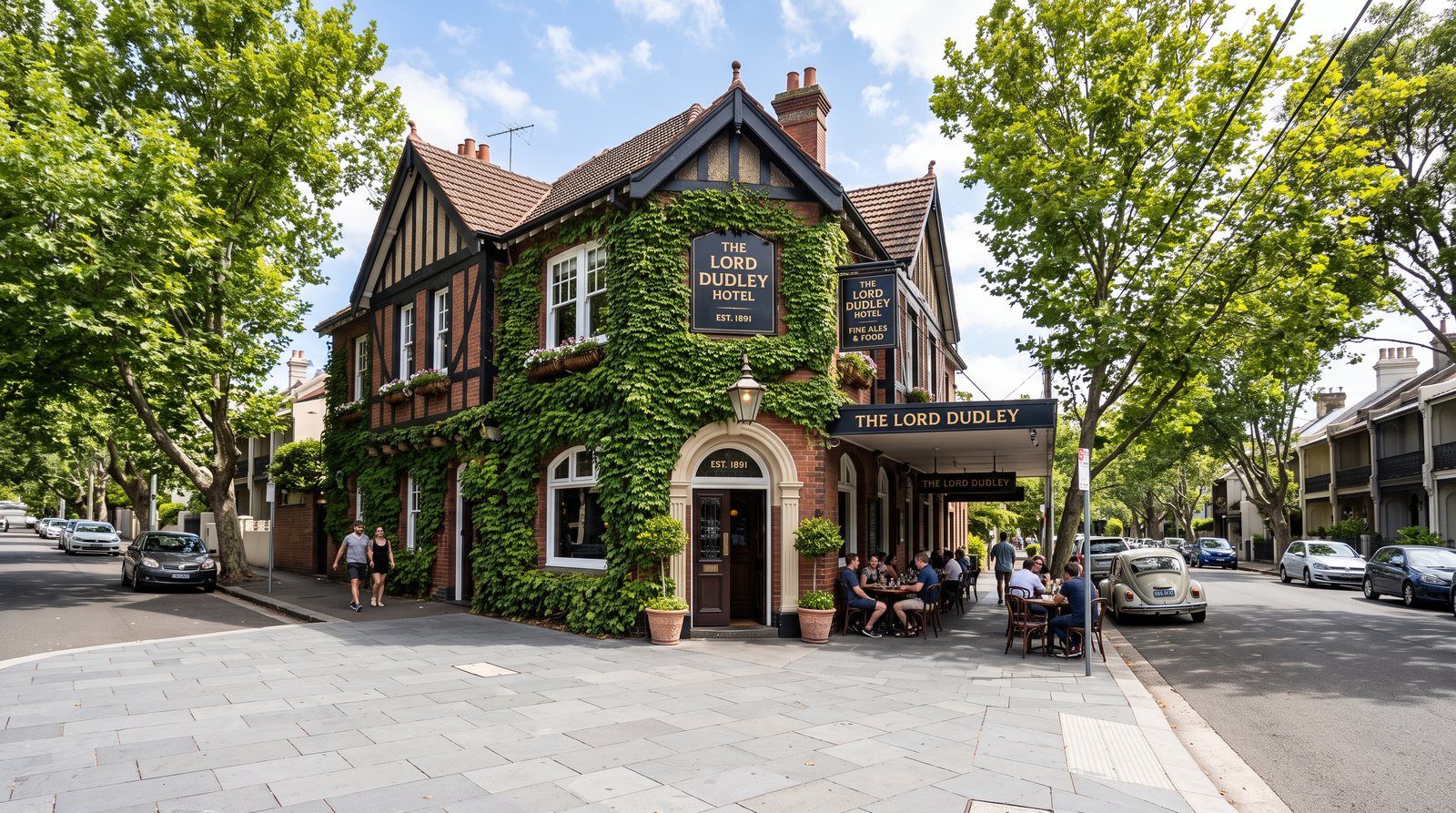
Lord Dudley Hotel — English-style pub on Jersey Road.
Jervis Bay National Park is a coastal sanctuary where the world’s whitest sands meet crystalline turquoise waters. This substantive study explores its unique marine ecology, ancient Aboriginal heritage, and the enduring rhythm of its protected wilderness.
Jervis Bay National Park, on the South Coast of New South Wales, is defined by the meeting of land and sea. At its heart lies Hyams Beach, renowned for the whitest sand on Earth. This geological marvel is a testament to the purity of the region's quartz-rich environment. Composed of 99 percent pure silica, the sand reflects the sun with a brilliance that transforms the shoreline into a radiant band between the eucalyptus forest and the turquoise bay. These fine crystals result from millions of years of weathering of sandstone escarpments. For the visitor, the first encounter with these sands is a moment of sensory recalibration, where the intensity of the light demands a slower pace of exploration.
The waters of Jervis Bay are protected by the Jervis Bay Marine Park, encompassing 215 square kilometers of diverse aquatic habitats. The bay’s deep-water basin, sheltered by headlands, creates a stable environment supporting a remarkable array of marine life. Most notable are the resident Indo-Pacific bottlenose dolphins, a population of approximately 60 to 100 individuals that call the bay home year-round. These social mammals are frequently observed from the shore, navigating calm shallows or socialising near reefs. The marine park also serves as a critical waypoint for migrating humpback whales seeking sheltered waters. Beneath the surface, seagrass meadows and temperate reefs provide a nursery for juvenile fish and a sanctuary for seals and penguins.
Inland from the tide line, the park transitions into coastal heath and towering eucalyptus forests. These ecosystems are adapted to the nutrient-poor, sandy soils of the peninsulas. The forest canopy is dominated by Blackbutt and Spotted Gum, providing architecture for a thriving community of native birds. During spring, the understory erupts in wildflowers, with the mountain devil attracting nectar-feeding honeyeaters. The park is a sanctuary for birdwatchers, home to vibrant eastern rosellas and the white-bellied sea eagle. This continuity of habitat, from the ocean’s edge to the deep forest, ensures that ecological processes remain intact, allowing for a level of biodiversity that is increasingly rare along the developed eastern coastline.
The cultural landscape of Jervis Bay is rooted in the history of the Yuin people and the Dharawal-Dhurga language group. For tens of thousands of years, Aboriginal people have maintained a profound connection to this land, which they call Booderee, meaning 'bay of plenty'. The region is rich in archaeological sites, including shell middens and ceremonial grounds that testify to a sustainable relationship with the environment. Today, the Wreck Bay Aboriginal Community Council plays a central role in the protection of their ancestral lands through co-management. This ensures that traditional knowledge is integrated into modern conservation, preserving the physical landscape and the stories attached to every headland. Visitors are encouraged to engage with this heritage, recognizing the bay as a living archive.
European history in Jervis Bay is marked by the maritime challenges of the 19th century, represented by the ruins of the Cape St George Lighthouse. Built in 1860, the lighthouse was intended to guide ships through treacherous waters, yet positioning errors rendered it nearly invisible from certain angles. The sandstone ruins remain a haunting landmark, offering panoramic views across the Tasman Sea. The bay’s history also includes significant naval importance with the establishment of HMAS Creswell in 1913. This legacy is reflected in the local museum in Huskisson, which preserves the stories of early settlers and shipbuilders. These historical layers provide a contrast to the wilderness, reminding visitors of the enduring human effort to navigate and settle this beautiful yet formidable coastline.
For those seeking immersion, the park offers trails that cater to various interests. The White Sands Walk is a celebrated coastal route connecting Greenfield Beach to Hyams Beach. This trail allows walkers to experience shifting textures, moving from the shaded forest canopy to the open brilliance of the sand. The path offers frequent glimpses of turquoise water through the trees, providing a constant connection to the sea. For a more rugged experience, the Munyunga Waraga Dhugan loop offers a self-guided cultural journey through the heathlands of Booderee, with interpretive signage explaining traditional uses of local plants. Whether traversing cliff-top lookouts or quiet forest interiors, these trails encourage discovery, rewarding the observant visitor with sightings of wallabies, echidnas, and basking goannas.
The preservation of Jervis Bay National Park balances tourism with the imperative of environmental protection. As a popular destination, the park faces challenges from habitat fragmentation and high visitor numbers. Management strategies include regulating access to sensitive areas, restoring native vegetation, and monitoring water quality. The success of these initiatives is evident in the health of the bay’s seagrass beds and the stability of native wildlife populations. Furthermore, the park serves as an important site for scientific research, providing a baseline for understanding climate change impacts on temperate environments. This commitment to stewardship ensures that the qualities that make Jervis Bay unique—its clarity, silence, and biodiversity—are maintained for future generations, serving as a vital refuge in an increasingly urbanized world.
The character of Jervis Bay shifts with the seasons, offering a different experience outside peak summer months. In autumn, the air clears and light softens, making it ideal for photography and hiking. Winter brings quietude as crowds depart and humpback whales begin their northward migration, often visible from the shore. Spring is a time of renewal, marked by the arrival of migratory birds and the blooming of coastal heath, filling the air with the scent of salt and honey. Even in the heat of summer, the bay offers a reprieve, with sea breezes and cool rock pools providing a natural cooling system. These rhythms are a reminder of the bay’s autonomy, inviting visitors to align themselves with its natural pace and step out of the frantic schedule of modern life.
Ultimately, Jervis Bay National Park is more than a destination; it is a sanctuary preserving a rare continuity between the past and present. It is a place where geological history is written in the white quartz of its beaches, and where the cultural heritage of its first people is actively shared. The bay offers a profound sense of perspective, a reminder of the complexity of the natural world and our responsibility to protect it. Whether standing on lighthouse ruins, watching dolphins, or sitting in silence on the sand, the visitor is invited to reflect on their place within this larger system. The enduring appeal of Jervis Bay remains clear: it is a landscape of light, life, and legacy, a place that rewards the patient observer with wonder that lingers long after the journey home.