Woollahra dining
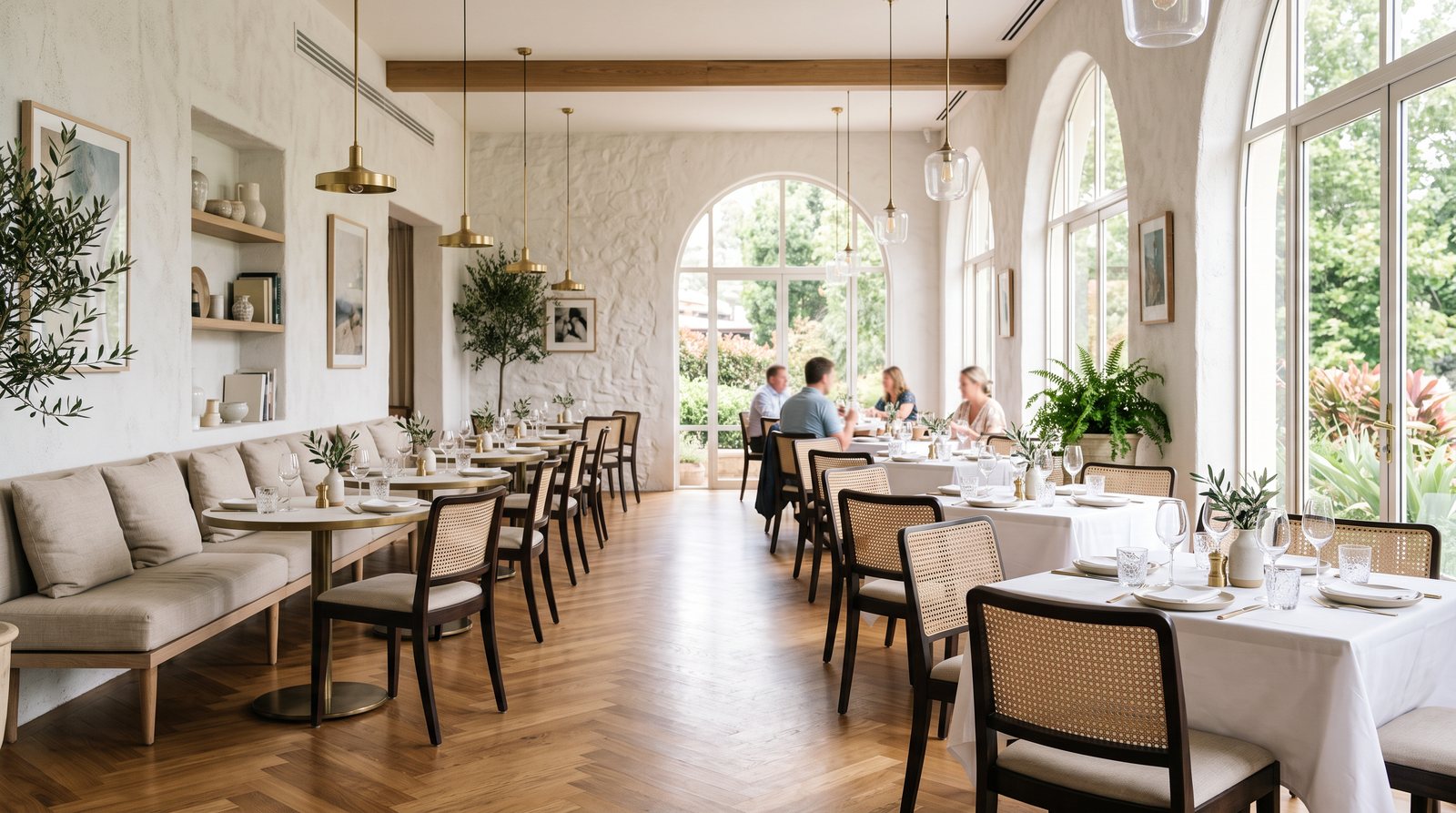
Hotel Centennial — Mediterranean-inspired restaurant near Centennial Park.
Wagga Wagga serves as the sophisticated heart of the Riverina, where the Murrumbidgee River meets a culture of fine art. From the inland sands of Wagga Beach to the National Art Glass Gallery, the city offers a balanced encounter with regional Australia’s heritage.
The Murrumbidgee River defines the geography and the spirit of Wagga Wagga, winding through the city with a patient, rhythmic grace that has sustained the region for millennia. Known as the "place of many crows" in the local Wiradjuri language, the city sits at a vital intersection of natural beauty and human industry. The river itself is not merely a boundary but a living presence, its banks lined with ancient river red gums whose gnarled, silver-grey trunks stand as silent witnesses to the passage of time. For the visitor, the water provides a constant point of reference, a cooling influence that softens the high, bright light of the Australian interior and offers a sense of continuity in a landscape that is both productive and wild. It acts as a central nervous system for the Riverina, a vast agricultural expanse that defines the character of the region.
Perhaps the most surprising feature of this inland metropolis is Wagga Beach, a stretch of genuine golden sand that lines a gentle curve of the Murrumbidgee. It is a rare phenomenon in the Australian interior—a place where the traditional coastal ritual of the beach is transposed into the heart of the country. Here, the water is fresh and clear, moving with a steady current that invites a different kind of swimming than the crashing surf of the Pacific. The beach serves as a communal living room for the city, a place where the distinction between the urban environment and the natural world is blurred by the simple pleasure of sitting by the water under the shade of the canopy. It remains one of the most beloved spots for locals and travelers alike to reconnect with the river's flow.
Cultural life in Wagga Wagga is anchored by the National Art Glass Gallery, a facility that houses one of the most significant collections of contemporary studio glass in the Southern Hemisphere. The gallery is a testament to the city’s commitment to a specific, demanding form of craftsmanship, where the fragility of the material is matched by the intensity of the artist’s vision. To walk through the exhibition spaces is to encounter light in its most disciplined form, reflected through crystal and blown into impossible shapes. This focus on glass reflects a broader theme in the city: a respect for precision and a desire to cultivate a sophisticated cultural identity that looks beyond the immediate demands of regional life. It is a place where the heritage of the bush meets the refinement of the studio.
The streets of Wagga Wagga are laid out with a generous sense of scale, characterized by wide, leafy boulevards and a diverse collection of historic architecture. Strolling through the central business district, one encounters Victorian and Edwardian facades that speak to the city’s long-standing prosperity as a hub for the wool and wheat industries. These buildings are not mere relics but active parts of a modern city, housing boutique shops, galleries, and a growing number of sophisticated dining establishments. The city’s urban character is defined by this balance of old and new, where the weight of history provides a stable foundation for contemporary innovation. The leafy canopy of the street trees offers a dappled shade that makes the act of walking a pleasure, encouraging a slower pace of exploration.
A deeper connection to the land and its original custodians can be found along the Wiradjuri Trail, a forty-two-kilometre loop that encircles the city and traverses its most significant natural landmarks. The trail is more than a recreational path; it is a journey through the layers of the region’s history and ecology. It climbs the surrounding hills to offer panoramic views of the city nestled in the valley, follows the winding course of the river, and passes through sections of preserved bushland where the local flora and fauna thrive. For the walker or cyclist, the trail provides a profound sense of the scale of the Riverina. It is a place of quiet reflection, where the sounds of the city fade into the background, offering a reminder of the enduring presence of the Wiradjuri people and their relationship with this country.
The agricultural bounty of the Riverina is the engine that drives Wagga Wagga, and this connection to the land is most visible in the city’s vibrant food and wine scene. The surrounding region is a patchwork of fertile fields, orchards, and vineyards, producing everything from premium citrus and stone fruits to award-winning boutique wines. In the city’s restaurants and cafes, this abundance is treated with a respect for provenance and a focus on seasonal quality. Visitors can sample the local harvest at weekend markets or enjoy a meal that highlights the best of the Riverina’s produce, accompanied by wines that carry the distinct character of the local soil and climate. This celebration of flavors results from a deep connection to the environment and a shared understanding of the effort required to work the land.
The Wagga Wagga Botanic Gardens offer a curated encounter with the region’s biodiversity, providing a peaceful sanctuary on the slopes of Willans Hill. The gardens are a mosaic of different environments, from the formal rose garden and the tranquil camellia garden to the rugged beauty of the cactus and succulent collection. Adjacent to the gardens, the zoo and aviary provide a home for a variety of native and exotic species, emphasizing the community’s role in conservation and education. The entire complex is a place of learning and leisure, where the precision of botanical science meets the simple joy of being outdoors, reflecting the city’s broader ethos of care for both its heritage and its future. It stands as a testament to the community's dedication to preserving the natural beauty of the region.
Beyond the city limits, the Riverina opens up into a vast, sun-drenched landscape of rolling plains and big skies, where Wagga Wagga thrives on the balance between its natural assets and its cultural ambitions. This is a country of immense horizons, where the rows of vines in the vineyards stretch toward the distance and the golden fields of wheat sway in the breeze. Wagga Wagga remains a destination of quiet sophistication and enduring charm, a vibrant gateway to the Riverina that continues to reveal its character to those who take the time to look, listen, and linger in its leafy boulevards and riverside reaches. Whether exploring the art galleries or the river banks, the visitor is invited to participate in a culture that values both its roots and its ongoing growth.