Woollahra dining
Bistro Moncur — French bistro dining on Queen Street.
Since 1993, Bistro Moncur has anchored Woollahra’s Queen Street, evolving from a radical culinary experiment into a definitive Sydney institution where French discipline meets the enduring social rhythms of a neighborhood dining room.
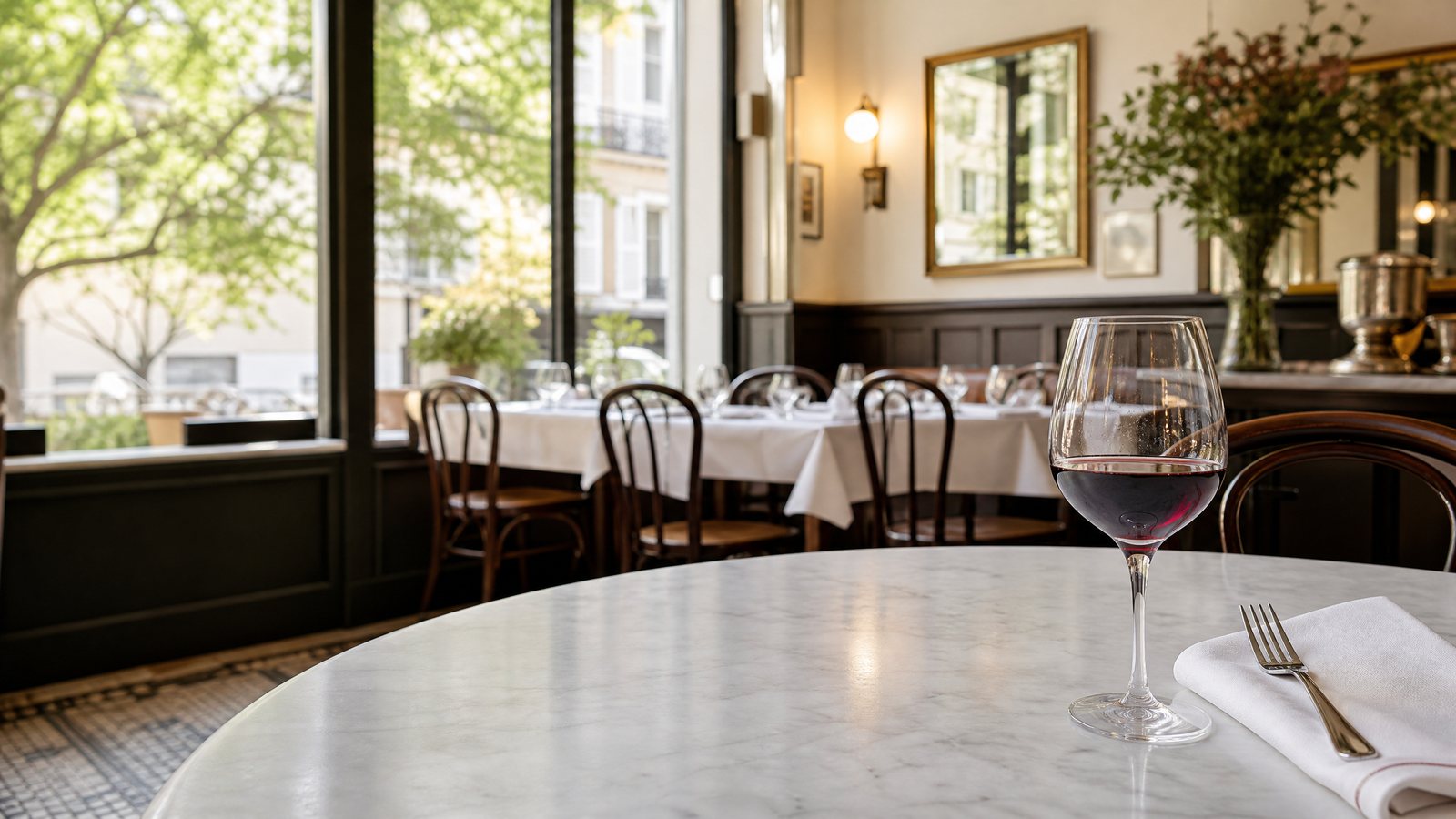
The endurance of a neighborhood institution often rests on a single, reliable fact: the room remains exactly what it promised to be. In the case of Bistro Moncur, which has occupied its corner of Queen Street in Woollahra since 1993, that promise is built on the rigorous architecture of the French bistro. It is a space that functions as a civic room, a place where the physical environment is designed to facilitate both the private conversation and the collective energy of a busy lunch service. The bistro maintains a sense of permanence reflected in its vaulted ceilings, its acoustic clarity, and the way the afternoon light settles across white-clothed tables. It is not merely a restaurant but a piece of local infrastructure, providing a consistent backdrop for the rituals of the surrounding suburb.
The origins of the bistro trace back to a period when the concept of a genuine French bistro was a radical departure for Sydney. Founded by the esteemed chef Damien Pignolet and Dr. Ron White, the venue was conceived as an alternative to the inauthentic haute cuisine that dominated the early 1990s. The goal was to create a dining environment that felt "better than home," a philosophy that guided the original architectural design by the firm Tzannes. By acquiring a section of the Woollahra Hotel, Pignolet and White established a template for sophisticated dining that prioritized technical precision over ornamental display. This foundational commitment to quality has allowed the bistro to outlast decades of cultural shifts, maintaining a reputation recognized by consistent accolades, including its status in the 2024 Australian Good Food Guide.
Perhaps the most defining visual element of the interior is the fifteen-meter black and white mural by Australian artist Michael Fitzjames. Painted specifically for the restaurant’s launch in 1993, the mural functions as a stylized frieze that wraps around the room, depicting an imaginary landscape that feels both timeless and deeply connected to the room’s aesthetic. The monochromatic palette ensures the artwork provides a sophisticated textural layer without competing with the dining experience. It has become a visual anchor that regular patrons look for as they enter, representing a moment in Sydney’s design history where art and architecture were integrated with a singular vision, contributing to a sense of history that new venues often struggle to replicate.
The architecture of the room itself, originally designed by Tzannes and later refined by Richards Stanisich, emphasizes a sense of openness and light. The high, vaulted ceilings and the strategic use of mirrors create an expansive atmosphere that belies the restaurant’s modest footprint. The design favors materials that age gracefully, allowing the focus to remain on social interaction. The transition from the bright atmosphere of a Saturday lunch to the intimate, lamp-lit mood of a weekday dinner reflects a deep understanding of how a public room should behave. It is a space that respects the diner’s need for both visibility and privacy, a balance essential for a venue that serves as a primary meeting point for the community.
At the heart of the Bistro Moncur experience is a menu that values consistency as a form of respect for the patron. The onion gratin soufflé, a signature dish since the opening, serves as a culinary benchmark for the kitchen’s technical discipline. Under the current leadership of Head Chef Tom Deadman, the kitchen continues to operate with a focus on seasonal ingredients and classical French techniques. The menu seeks to perfect the bistro tradition, ensuring returning guests find their favorite dishes prepared with the same care year after year. This reliability is a sign of settled excellence. The kitchen’s ability to maintain these standards across thousands of services is a testament to the organizational culture established by Pignolet and carried forward by subsequent generations of staff.
The social rhythm of the bistro is inextricably linked to the character of Woollahra itself. As a "third place"—a location outside of home and work where people gather—the bistro facilitates a specific kind of neighborhood hospitality. It is a room where local residents, international visitors, and business professionals coexist, drawn by the common desire for a room that functions well. The sound of the room, a characteristic hum of conversation and the clatter of cutlery, is as much a part of the experience as the food. This acoustic energy is a sign of a healthy public space that encourages lingering. The bistro’s integration with the Woollahra Hotel complex further enhances its role as a social hub, providing environments that cater to different times of the day and varied social needs.
Reflecting on its thirty-year history, the longevity of Bistro Moncur is a rare achievement in an industry characterized by high turnover and constant rebranding. Its induction into the Hall of Fame by the Eat Drink Design Awards in 2023 highlights its significance as a landmark of Australian hospitality design. The venue has evolved without losing its core identity, incorporating modern updates while preserving the character that made it a success in 1993. This balance between tradition and evolution allows the bistro to remain relevant to a new generation of diners, proving that a well-conceived idea can become a permanent part of a city’s cultural fabric.
In a city constantly rushing toward the new, there is profound value in a room that stays the same. Bistro Moncur remains a testament to the power of a clear vision and the importance of neighborhood institutions. It is a place where the history of Sydney’s dining culture is actively maintained as a living, breathing room. The enduring appeal of the bistro lies in its ability to provide a sense of place and continuity. Whether visiting for lunch or dinner, the experience is grounded in the same principles of quality and hospitality that have defined the venue for over three decades. It is a room that knows what it is, and in doing so, it allows its guests to feel exactly where they are.