Woollahra dining
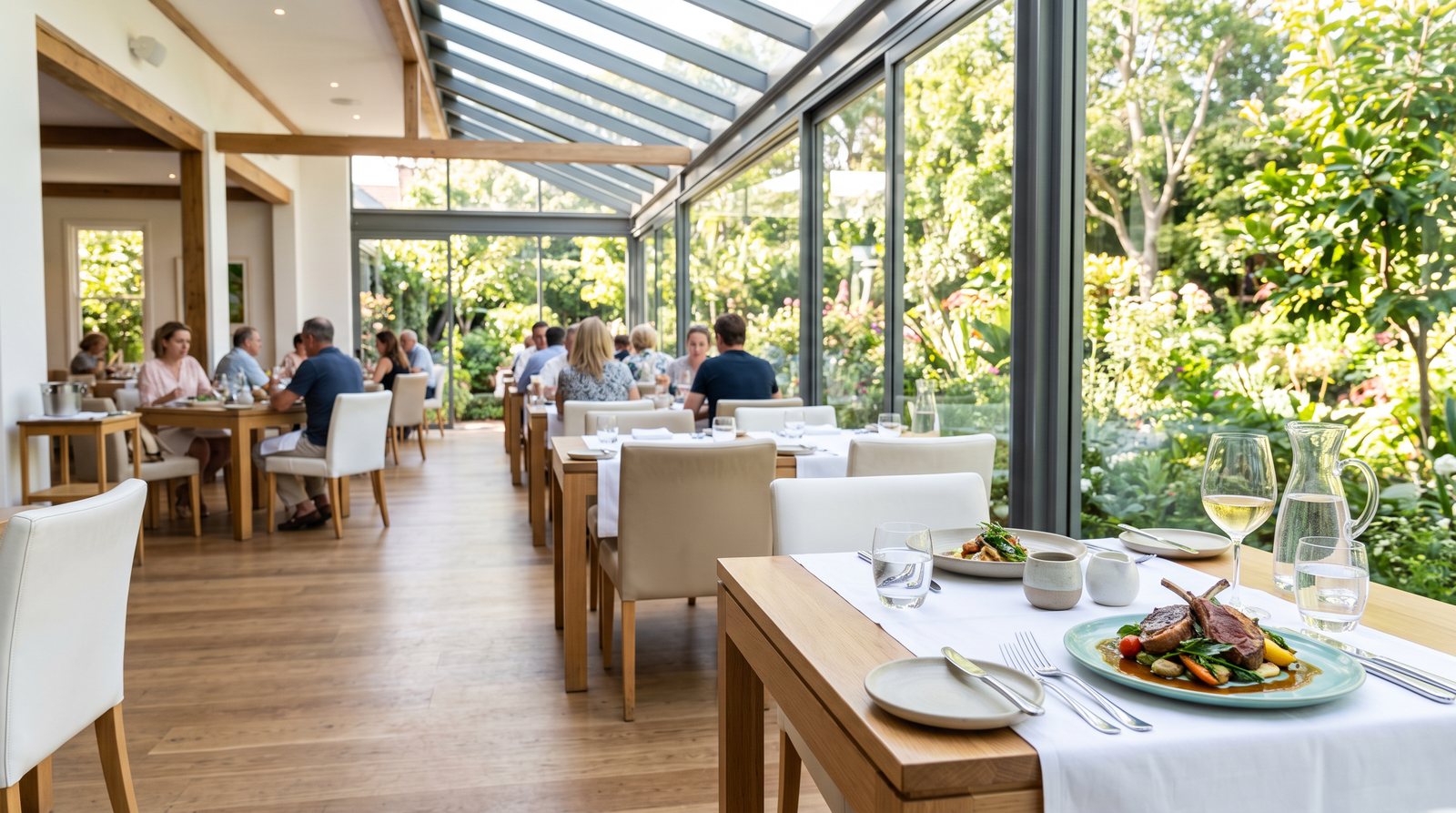
Chiswick Woollahra — Seasonal neighbourhood dining at 65 Ocean Street.
In the western foothills of the Snowy Mountains, Tumbarumba balances a storied railway heritage with the refined output of Australia’s premier cool-climate vineyards. From the sealed gradients of the Rosewood Rail Trail to the elegant acidity of its high-altitude Chardonnays, the region offers a profound sub-alpine retreat.
Tumbarumba sits in a unique geographic pocket where the rugged alpine heights of the Snowy Mountains soften into the rolling verdancy of the Riverina. It is a place defined by its edges—the high country, the wilderness, and a new era in regional tourism. The air carries a distinct clarity, a sharpness that speaks of its elevation and proximity to sub-alpine plateaus. For decades, this town was a terminal point where rails ended and the timber industry hummed against the mountains. Today, that sense of destination has evolved from industrial utility to a contemplative, refined hospitality. The landscape invites this slower pace, with mist-shrouded valleys and patient vineyards that have made the region a benchmark for cool-climate viticulture [1].
The centerpiece of this transformation is the Tumbarumba to Rosewood Rail Trail, a twenty-one-kilometre artery following a defunct branch line. Opened in April 2020, it is the first rail trail in New South Wales developed on a government-owned rail corridor, setting a precedent for repurposing redundant infrastructure [2] [3]. The trail is fully sealed, offering a smooth surface that belies the ruggedness of the surrounding terrain. As it winds through working farmland and native bushland, it provides a physical connection to regional history. The gentle gradients, originally engineered for steam locomotives, now serve cyclists and walkers, allowing them to traverse the landscape with an ease that encourages observation and rewards the traveler with views of distant alpine peaks [3].
History is embedded in the structures defining the path. The line officially closed in 1987, though passenger services ceased in 1974, marking the end of a vital link for remote Snowy Mountains communities [2]. Today, four restored trestle bridges stand as monuments to past engineering, their timber and steel skeletons spanning deep gullies. These bridges are interpretive sites where the railway's story is told through preserved displays and historical markers [5]. Crossing them, one is struck by the contrast between permanent industrial remains and the ever-changing forest. The preservation of these sites ensures that the labor of the early twentieth century remains visible, even as tracks are replaced by the quiet hum of bicycle tires.
Parallel to the railway’s revitalization is the emergence of Tumbarumba as a premier cool-climate wine region. High altitude and temperature fluctuations create a terroir suited to varieties demanding a longer ripening period. While much of the Australian wine landscape is defined by interior heat, Tumbarumba offers a refreshing counterpoint. The region is renowned for Chardonnay and Pinot Noir, grapes that thrive in the crisp air and well-drained soils [4]. These vineyards are among the highest in the country, situated at elevations unthinkable for viticulture elsewhere in the state. The result is a profile of wines characterized by elegance, restrained fruit flavors, and a vibrant acidity reflecting the mountain environment’s clarity [4].
The sensory experience of a Tumbarumba wine is linked to its landscape. In the glass, signature Chardonnays exhibit notes of white peach and citrus, underpinned by a mineral streak from granite-based soils [4]. The Pinot Noirs offer a delicacy and complexity highly sought after by winemakers across Australia, particularly for premium sparkling wines. Visiting a cellar door is a study in local pride; there is a profound sense that the wine is a direct translation of the Snowy Mountains foothills. Winemakers work in harmony with the seasons, navigating the risks of late frosts and high-altitude farming to produce something sophisticated and deeply rooted in its place.
Beyond the rail trail and vineyards, Tumbarumba remains a gateway to a wilder version of the Australian landscape. The region is crisscrossed by pristine streams, many legendary among fly-fishing enthusiasts for their abundance of trout. These waterways, fed by snowmelt, run clear and cold, providing a habitat for diverse aquatic life. The act of fishing here is as much about the environment as the catch—the quiet ripple of water, the scent of eucalyptus, and the solitude of a hidden river bend. It is a reminder that despite modern refinements, the core of the Tumbarumba experience remains tied to the raw, natural beauty of the Snowy Mountains and the seasonal rhythms of the high country.
The town retains a character both welcoming and quietly resilient. Having navigated the decline of traditional industries, Tumbarumba has found a new identity celebrating heritage without being trapped by it. The seasonal rhythm is marked by harvests and local festivals that draw visitors from across the state. These events are an expression of the social fabric, where the success of a vintage or the completion of a trail section is a cause for collective celebration. Historic architecture along the main street provides continuity, while boutique accommodation and refined eateries signal a town looking forward with confidence.
Environmental significance is emphasized by the town's role as a buffer for Kosciuszko National Park. Sub-alpine forests fringing the town are home to unique flora, including iconic snow gums with twisted, colorful bark. These trees symbolize the resilience required to thrive in an environment of winter snows and summer heat. The transition from lower eucalyptus forests to sub-alpine woodlands is a dramatic visual shift highlighting topographical complexity. For the visitor, this means a variety of exploration opportunities ranging from gentle strolls through the foothills to more demanding treks into the high-altitude wilderness lying just beyond the town’s borders.
Ultimately, Tumbarumba represents a synthesis of history, nature, and modern refinement. It is a place where the wistful nature of the past—the ghost of the steam train and remnants of timber mills—is given new life through thoughtful preservation. Whether traversing the rail trail, sampling high-altitude Pinot Noir, or looking out toward the alpine horizon, there is a sense of being in a place that understands its own story. It is a destination that does not need to shout; its appeal lies in the quiet beauty of its landscape and the genuine hospitality of a community that has found its place. As a refined escape, Tumbarumba remains a testament to the enduring power of the Australian regional spirit.
| Feature | Description | | :--- | :--- | | **Location** | Western foothills of the Snowy Mountains, NSW | | **Elevation** | Approximately 700 to 800 meters above sea level | | **Primary Industry** | Viticulture, tourism, and agriculture | | **Key Attraction** | Tumbarumba to Rosewood Rail Trail (21 km) | | **Signature Varietals** | Chardonnay and Pinot Noir | | **Climate** | Sub-alpine, cool-climate |
References [1] [Tumbarumba Wine Region](https://www.australianwine.com/our-places/new-south-wales/tumbarumba-wine-region) [2] [Riverina Highlands (Tumbarumba) Rail Trail](https://www.railtrails.org.au/trails/tumbarumba-to-rosewood-riverina-highlands-rail-trail/) [3] [Tumbarumba to Rosewood Rail Trail](https://www.visitnsw.com/destinations/snowy-mountains/tumbarumba-area/tumbarumba/attractions/tumbarumba-rosewood-rail-trail) [4] [Tumbarumba Wine Guide](https://thecheekyvino.com/tumbarumba-wine-guide/) [5] [Tumbarumba to Rosewood Rail Trail History](https://www.snowymagazine.com.au/tumbarumba-rosewood-rail-trail/)