Transport
The humble bus stop is being redesigned as a place to wait well.
The bus stop is often treated as a utilitarian afterthought, a mere marker of transit. But a new wave of design is reclaiming these small public rooms, transforming the act of waiting into an experience of comfort, beauty, and civic care.
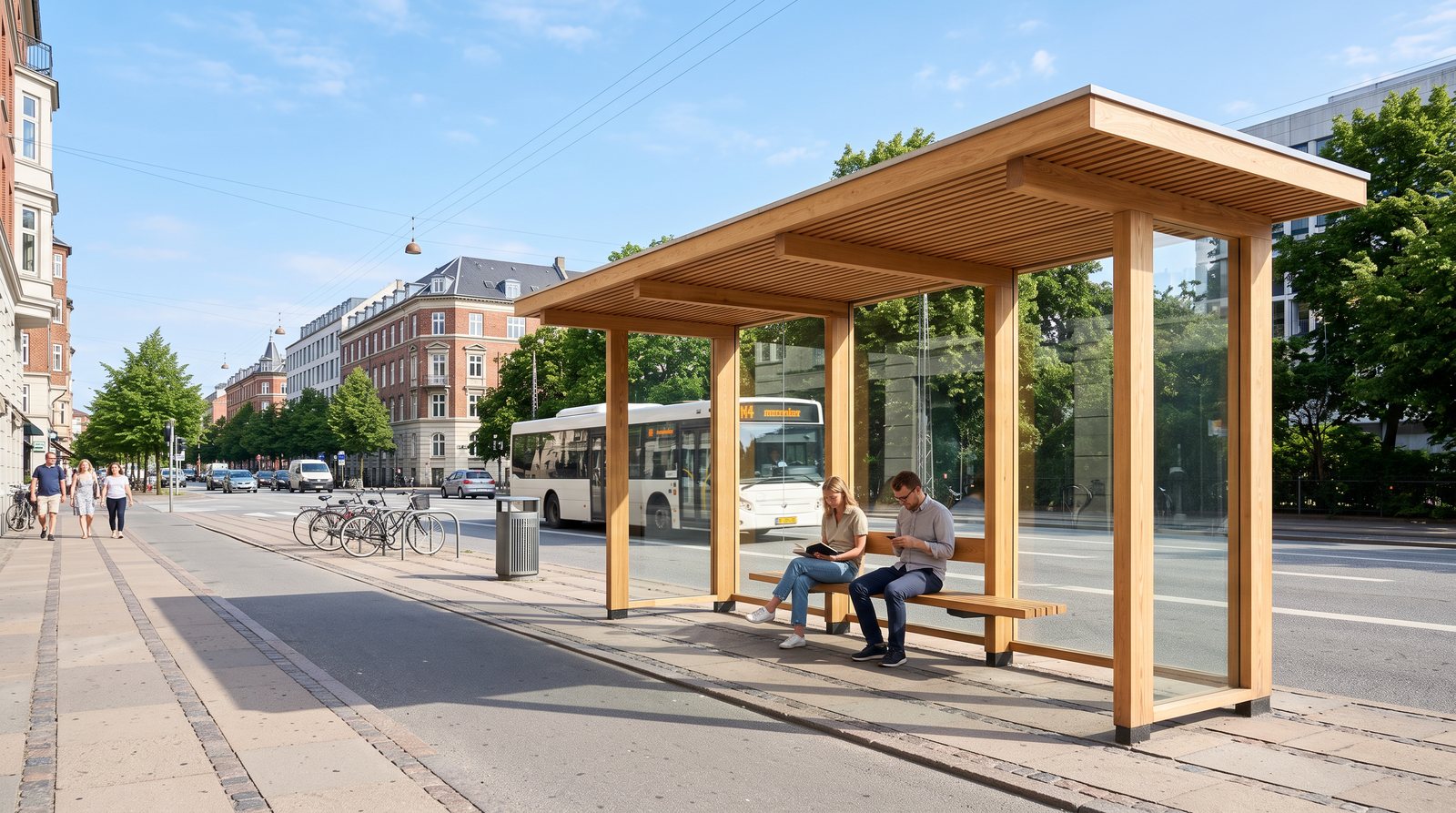
For decades, the bus stop has occupied a marginal position in the urban imagination, serving as a purely functional node in public transit. Often reduced to a rusted pole or generic glass shelter, these spaces were designed for efficiency rather than comfort. The prevailing philosophy treated waiting as a necessary inconvenience—a dead time to be endured. However, as cities grapple with urban heat and social isolation, the humble bus stop is undergoing a radical transformation. Architects are recognizing these structures as critical "third places" that foster civic dignity. By shifting focus from the vehicle to the passenger, transport design is proving that the quality of the wait is as vital as the speed of the journey.
This shift toward "waiting well" begins with a fundamental reevaluation of the bus stop’s physical form. Instead of the cold, impersonal materials that have long defined transit infrastructure, designers are turning to a tactile palette. Timber, sandstone, and recycled composites are replacing industrial plastics, creating warmth and permanence. In cities like Paris and Singapore, experimental shelters incorporate living roofs and vertical gardens to provide natural shade and mitigate the urban heat island effect. These green interventions turn a concrete slab into a micro-refuge, offering a brief connection to nature. The use of natural materials also acknowledges the passage of time; a timber bench that patinas suggests the city values its public spaces enough to let them age gracefully.
Technological integration is another pillar of the modern bus stop, yet the approach has become more nuanced. Early "smart" stops often overwhelmed users with bright screens and aggressive advertising. The new generation favors "calm technology"—interfaces that provide essential information without demanding constant attention. E-ink displays, which mimic paper, are becoming the standard for real-time arrival information. These displays remain legible in direct sunlight and do not emit harsh blue light. Furthermore, integrated sensors can monitor air quality and noise levels, providing data while allowing the shelter to adjust its lighting automatically. When technology is woven seamlessly into the fabric of the shelter, it ceases to be a distraction and becomes a quiet utility that reduces the anxiety of the unknown.
The social impact of a well-designed bus stop extends far beyond its primary function. In many neighborhoods, the bus stop is the only shared space where people of different backgrounds regularly intersect. By providing comfortable seating and clear lighting, a bus stop can become a vital neighborhood meeting point. This "micro-social" infrastructure fosters a sense of safety and belonging, particularly for the elderly or those traveling alone at night. When a bus stop is designed with care, it sends a powerful message to the community: that their time is valuable and their presence in the public realm is respected. This investment in the small scale of the city turns a site of transit into a site of connection.
Accessibility is the true test of public design, and the redesigned bus stop is a model of inclusive thinking. Traditional shelters often failed to accommodate wheelchairs or those with limited mobility, creating physical barriers. Modern designs prioritize universal access, featuring level boarding areas, tactile paving, and seating at multiple heights. Lighting is also being reimagined; designers are using diffused, ground-level LEDs that illuminate the path without causing glare. This approach improves visibility and enhances the perceived safety of the space. By ensuring that the most vulnerable citizens can wait in comfort and security, the redesigned bus stop fulfills its role as a truly democratic piece of infrastructure, ensuring the public realm remains open to everyone.
Environmental stewardship is no longer an optional add-on, and the bus stop is uniquely positioned to lead this charge. Beyond green roofs, many new shelters are becoming small-scale power plants. Integrated solar films can generate enough electricity to power lighting and information systems, making them self-sufficient. In some regions, bus stops are designed to collect and filter rainwater for surrounding landscaping. These features turn a passive structure into an active participant in the city’s ecological health. As cities set ambitious targets for carbon neutrality, the cumulative impact of sustainable bus stops becomes a significant component of the broader environmental strategy. The bus stop thus evolves from a symbol of fossil-fuel reliance into a beacon of renewable energy.
The economic case for high-quality transit infrastructure is often overshadowed by the high costs of rail projects. However, the relatively modest investment required to upgrade bus stops can yield substantial returns. A comfortable and attractive waiting environment is a key factor in encouraging people to choose public transit over private vehicles. When the experience of waiting is pleasant, the perceived "cost" of the trip decreases, leading to higher ridership and reduced congestion. Moreover, well-designed bus stops can increase the value of surrounding properties and support local businesses. By treating the bus stop as a serious piece of civic architecture rather than a disposable utility, cities can unlock the latent potential of their existing transit networks.
Ultimately, the redesign of the humble bus stop reflects a changing relationship between the citizen and the state. It represents a move away from purely utilitarian logic toward a more human-centric urbanism. In this new paradigm, every moment spent in the public realm is an opportunity for dignity and reflection. The bus stop, once a place to be avoided, is becoming a place to wait well—a small sanctuary in the middle of a busy day. As we look to the future, these modest structures stand as a reminder that profound changes often begin at the smallest scale. By reclaiming the bus stop, we are not just improving a transit network; we are reclaiming the city itself as a place built for people.
The success of these initiatives depends on a commitment to maintenance and community engagement. A beautiful design only remains effective if it is kept clean and functional, and if the community feels a sense of ownership. This requires a shift in how transit agencies operate, moving from reactive repair to proactive care. When a city invests in the ongoing life of its bus stops, it reinforces the message of respect. The humble bus stop is more than just a place to catch a bus; it is a testament to the idea that a city is only as good as the way it treats its people during their most ordinary moments. Through this lens, we see a vision of the city that is not just efficient, but generous.