Hunter Valley
The Alchemist’s Draught: A Wistful Journey Through the Botanical Spirits and Copper Stills of Pokolbin
The Hunter Valley has long been defined by the rhythmic geometry of its vineyards, yet a new, more concentrated magic is stirring within the hinterlands of Pokolbin. Beyond the familiar oak barrels and Semillon vintages lies a world of gleaming copper and wild, native aromatics. Here, the traditional viticultural landscape gives way to the precise alchemy of distillation, where the essence of the Australian bush is captured in glass. This is a story of transition—from the broad sun-drenched slopes to the intimate, vapor-filled chambers of the distillery, where lemon myrtle and pepperberry redefine the sensory map of this ancient valley, offering a spirited reflection on the land’s enduring and evolving character.
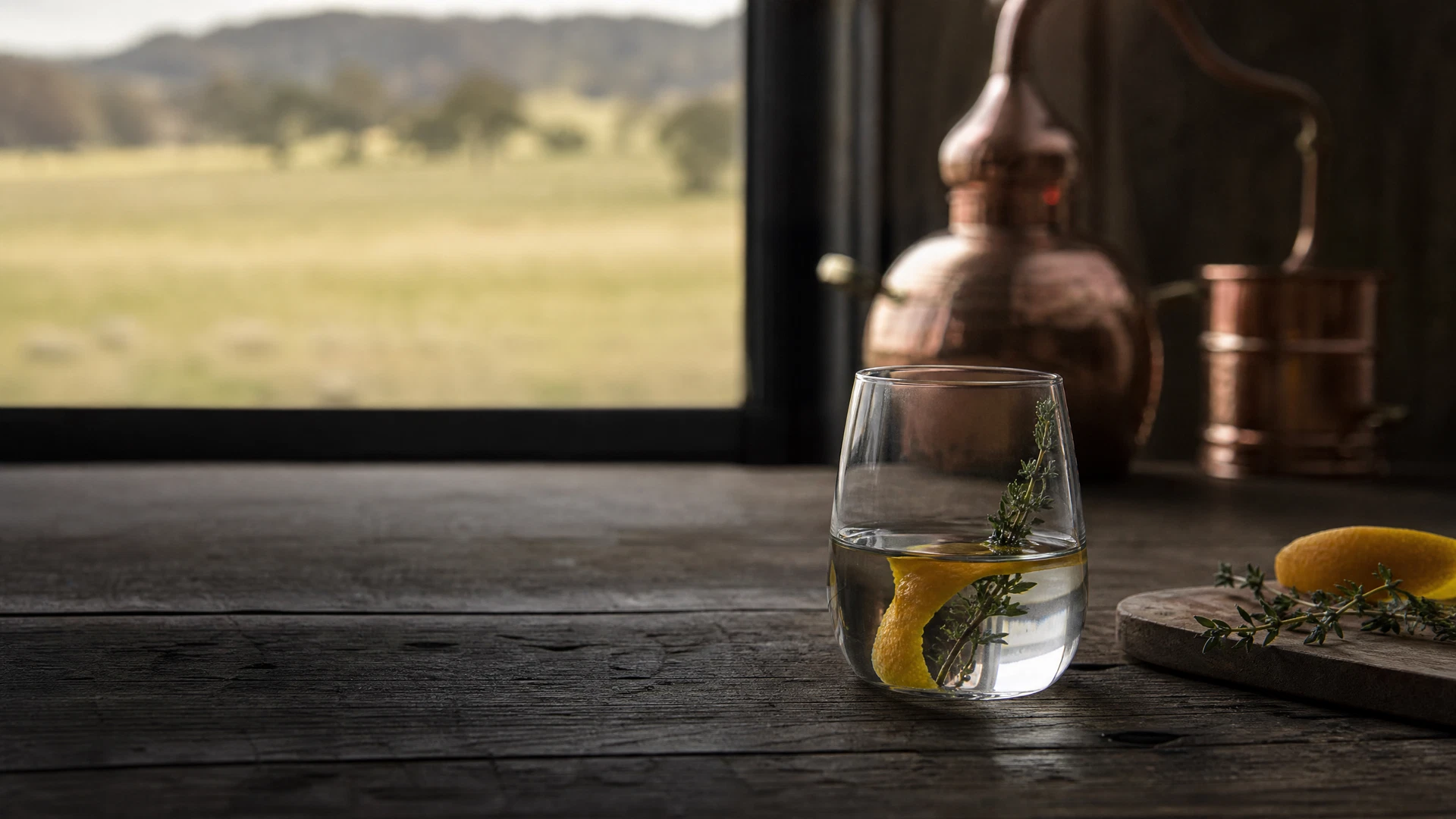
The morning mist in Pokolbin often lingers with a peculiar stubbornness, clinging to the low-lying hollows of the Broken Back Range like a memory that refuses to fade. As one wanders along the familiar stretch of Broke Road, the usual scent of damp earth and fermenting grapes is occasionally punctuated by something sharper, something more ancient. It is the fragrance of the scrub—the citrusy punch of lemon myrtle and the earthy, medicinal tang of aniseed—drifting from the open doors of the valley’s boutique distilleries. In this corner of the Hunter, the narrative is shifting. While the vines still stand in their disciplined rows, a quiet revolution is taking place in the shadows of the cellar doors, where the slow, patient work of the copper pot still is beginning to command its own dedicated following of sensory pilgrims.
Stepping inside one of these sanctuaries of spirit, the atmosphere changes instantly. The air is warmer here, thick with the invisible ghosts of vaporized botanicals. Dominating the room are the stills themselves—great, rounded vessels of polished copper that glow with a deep, inner heat in the morning light. They look like artifacts from a forgotten age of alchemy, their swan-necked pipes reaching upward to capture the soul of the liquid within. There is a profound stillness to the process, a sharp contrast to the bustling energy of a winery during harvest. Here, time is measured not in seasons, but in the steady drip of the distillate, a slow concentration of flavor that transforms the raw bounty of the Australian landscape into something clear, potent, and undeniably elegant.
The heart of this experience lies in the botanicals, the wild ingredients that ground these spirits in the very soil of the valley. To taste a regional gin is to take a walk through the surrounding bushland. The distillers here have looked beyond the traditional juniper, reaching instead for the silver-green leaves of lemon myrtle and the dark, pungent berries of the Tasmanian pepperberry. These are not merely additives; they are the aromatic signature of the land. When the vapor rises through the infusion basket, it carries with it the essence of the heat, the dust, and the resilience of the Australian flora. It is a sensory bridge between the cultivated beauty of the vineyards and the untamed spirit of the wilderness that frames them, offering a complexity that is both startling and deeply familiar.
A signature of the Pokolbin spirit trail is the presentation of the tasting flight, often served in a series of delicate glass tubes that catch the light like prisms. It is a clinical yet beautiful way to approach the spirits, allowing for a focused appreciation of the subtle color variations and the intense aromatic profiles. One might start with a gin that is bright and citrus-forward, before moving toward more experimental Shiraz-based spirits that pay homage to the valley’s winemaking heritage. These darker, richer liquids carry the weight of the grape but are elevated by the distillation process, resulting in a drink that feels both innovative and respectful of tradition. Each small pour is a concentrated narrative, a story of extraction and refinement that demands a slower, more contemplative pace of consumption.
To truly understand the depth of these spirits, one must see how they interact with the other treasures of the region. The distilleries often collaborate with local artisans, pairing their small-batch creations with creamy cheeses from nearby dairies or hand-poured chocolates infused with the same botanicals found in the stills. A sharp, pepper-infused gin might find its perfect partner in a wedge of rich, triple-cream brie, the fat of the cheese softening the spirit’s bite while the botanicals highlight the dairy’s subtle grassy notes. It is a dialogue of flavors that reinforces the interconnectedness of the Hunter’s culinary community, a reminder that every product, whether it comes from a vine, a vat, or a copper pipe, is a reflection of the same sun and soil.
As the afternoon sun begins its descent, casting long, golden fingers across the tasting benches, the mood in the distillery turns wistful. There is a certain melancholy in the beauty of the light as it hits the copper, a reminder of the fleeting nature of the moment. Visitors often linger over their final sips, watching the dust motes dance in the sunbeams. The conversation tends to quieten, replaced by the soft hum of the refrigeration units and the distant sound of a tractor in the fields. It is in these moments of stillness that the true character of the valley reveals itself—not just as a place of production, but as a landscape of profound sensory depth, where the past and the present are constantly being distilled into something new.
This landscape, however, carries a history that predates the arrival of the first stills and the planting of the first vines. The Wonnarua people have been the traditional custodians of this land for millennia, and their connection to the native plants now being celebrated in these spirits is a vital part of the story. The lemon myrtle and aniseed that provide the backbone of the region’s gin have been used by the Wonnarua for generations, long before they were ever subjected to the science of vapor infusion. Acknowledging this heritage adds a layer of respect and continuity to the experience, grounding the modern craft of distillation in a much older tradition of land management and botanical knowledge that continues to shape the valley’s identity today.
Leaving the distillery, the transition back to the outside world feels slightly blurred, the high alcohol content of the spirits lending a soft edge to the sharp Hunter Valley light. Many choose to navigate this trail on two wheels, pedaling slowly along the vine-fringed lanes where the air is cool and the pace is unhurried. The scent of the bush lingers on the palate—a final, spicy reminder of the alchemist’s work. As the bicycle glides past the ancient vines and the shadows of the Broken Back Range lengthen, there is a sense of gratitude for this evolution of the valley. It is a place that honors its roots while embracing the new, proving that even in a land defined by its history, there is always room for a little more magic to be distilled.