Hunter Valley
The Silvered Breath of the Grove: Finding Stillness Among Pokolbin’s Ancient and Quiet Olive Trees
The Hunter Valley is often defined by its vibrant vines, but there is a quieter, silver-hued magic to be found in the olive groves that fringe the Pokolbin landscape. Beyond the bustling cellar doors, a walk through these ancient-feeling trees offers a different tempo of life—one marked by the slow ripening of fruit and the peppery bite of freshly pressed oil. From the delicate blossoms of spring to the rhythmic hand-harvesting of late autumn, the journey from tree to table is a testament to patience and the Mediterranean soul of this Australian soil. Here, amidst the rustle of silver leaves and the scent of damp earth, one finds a sanctuary where time seems to stretch and settle, inviting a deeper connection to the land and its liquid gold.
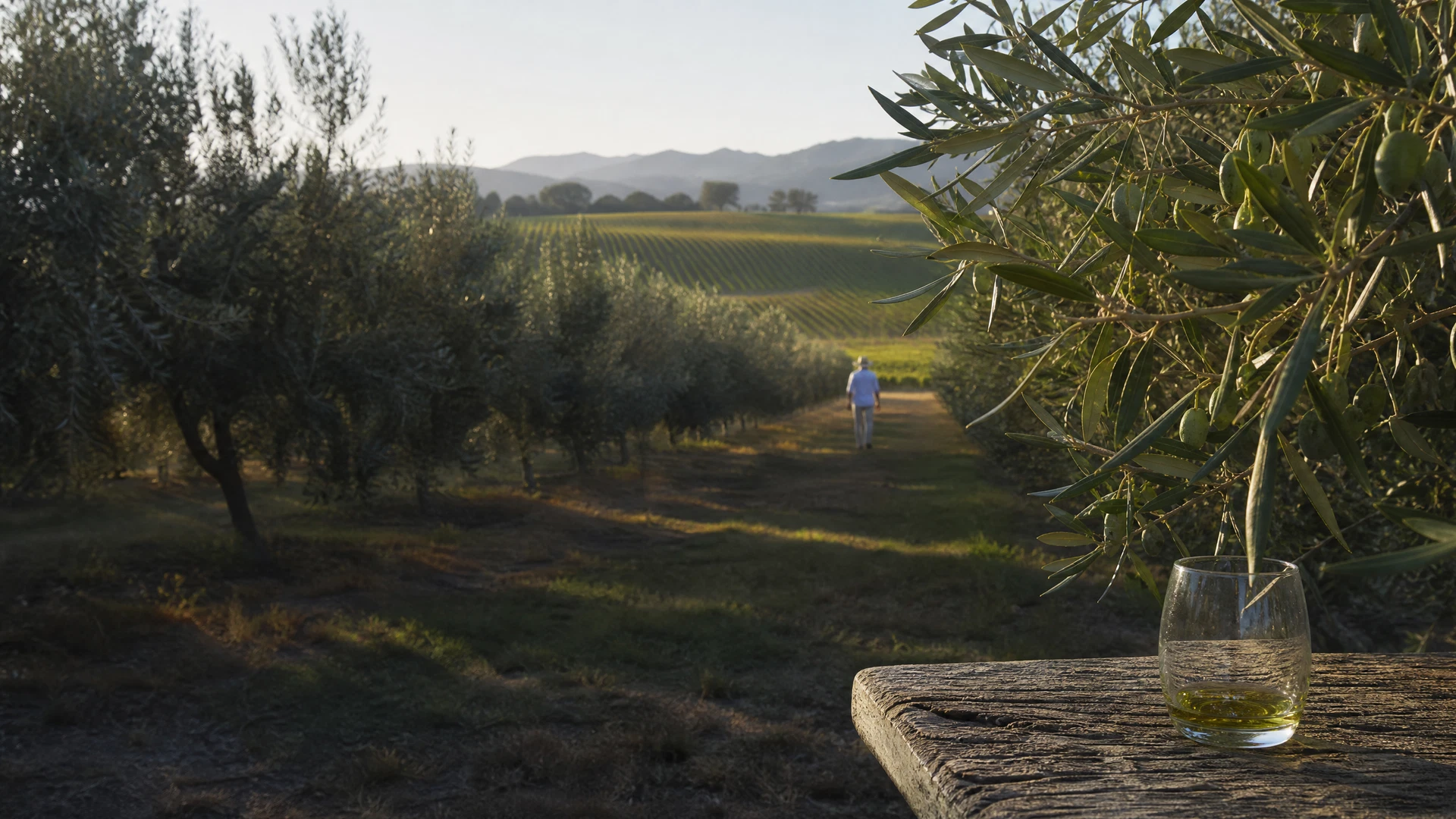
There is a muted elegance to the olive groves of Pokolbin that distinguishes them from the exuberant geometry of the surrounding vineyards. While the vines demand attention with their seasonal theatrics, the olive trees stand as stoic sentinels, their silver-backed leaves shimmering with a persistent grace. Stepping into one of these groves feels less like an excursion and more like an entry into a hushed, Mediterranean dream. The air here carries a different weight, filtered through thousands of narrow leaves, creating a sanctuary where the frantic pace of travel is replaced by the slow, rhythmic pulse of the earth. It is a place where the sun feels softer, inviting a contemplative stillness that is rare in the bustling heart of the Hunter Valley.
To walk among the two thousand trees of a mature estate is to participate in a dialogue with time. The ground beneath is a tapestry of dry grass and fallen leaves, crunching softly underfoot as you navigate the long, symmetrical aisles of silver and sage. There is a profound sense of scale here; the trees possess a gnarled wisdom in their twisted trunks and reaching branches. As the morning light filters through the canopy, it creates a dappled mosaic on the orchard floor, a shifting pattern of light and dark that mirrors the complexity of the fruit ripening above. A guided walk through these groves is a sensory immersion into the landscape’s quietest corners, where the breeze catches the underside of the leaves, turning the grove into flickering silver.
The grove is a living calendar, marking the passage of the year with subtle shifts in color. In the gentle warmth of spring, the trees are adorned with tiny, unassuming blossoms—delicate clusters of cream and white that promise the harvest to come. However, it is in the late Australian autumn, during April and May, that the grove truly comes alive with the energy of the harvest. This is a period of manual labor and communal effort, where the fruit is carefully hand-harvested to preserve its integrity. The transition from the bright, peppery intensity of early-harvest green olives to the dark, oil-rich maturity of late-season fruit is a transformation that requires a patient eye and a deep understanding of the region’s climatic rhythms.
There is a wistfulness in the way the Hunter Valley landscape occasionally mimics the rugged beauty of the Mediterranean. The warm summers and mild winters of Pokolbin provide a hospitable home for these ancient trees, allowing them to thrive in soil that feels both foreign and familiar. Standing in the center of a grove, with the blue-hued silhouette of the Broken Back Range framing the horizon, one could imagine they have been transported to the hills of Tuscany. Yet, there is a distinct Australian character to this experience—a clarity of light and a particular scent of eucalyptus that anchors the grove firmly in its southern hemisphere home. This blending of worlds creates a crossroads where old-world traditions are reimagined through the lens of the Hunter’s agricultural heritage.
The transition from the sun-dappled grove to the cool environment of the tasting room marks a shift from the physical to the sensory. Here, the labor of the harvest and the patience of the growing season are distilled into small, golden pools of liquid. Tasting extra virgin olive oil is an exercise in mindfulness, requiring one to slow down and pay attention to the nuances of flavor. Unlike the boisterous conviviality of a wine tasting, an oil tasting feels more intimate, almost medicinal in its purity. The ritual involves warming the glass in your hand, releasing the volatile aromas of freshly cut grass and green tomatoes, before a small sip coats the palate in a rich, silken texture. It is a moment of connection to the soil.
The flavor profiles encountered during a Pokolbin tasting are as varied as the wines for which the region is famous. Early-harvest oils, pressed from fruit that is still vibrant and green, offer a sharp, peppery kick—a sign of high antioxidant content. As the tasting progresses toward the late-season varieties, the intensity softens, giving way to smoother, buttery notes with hints of almond. These oils are accompanied by traditionally cured table olives, their skins taut and their flesh rich with the flavors of the brine. The addition of dukkah—a fragrant blend of toasted nuts and spices—provides a textural contrast, inviting you to dip crusty bread into the oil, creating a harmony of flavors that speaks of the land’s generosity.
The settings for these experiences are often as memorable as the oils themselves, each estate offering a different window into the life of the grove. Some locations pair the agricultural beauty of the trees with unexpected elements, such as the presence of gleaming classic cars, creating a juxtaposition of mechanical precision and natural growth. Others offer a more rustic, farm-stay atmosphere, where the sound of the wind through the olives is the only soundtrack to your afternoon. These backdrops serve to ground the educational aspect of the tasting in a tangible sense of place. Whether in a modern tasting room or on a weathered timber veranda, the environment reinforces the idea that these oils express a specific way of life.
As you eventually leave the grove, there is a lingering sense of peace that follows you back into the world. The taste of the oil remains on the tongue—a faint, peppery memory of the sun and the soil—while the image of the silver leaves flickering in the breeze stays etched in the mind. It is a wistful departure, a reluctant return to the faster rhythms of the everyday. The olive-grove walk is more than just a culinary tour; it is a reminder of the value of the slow harvest and the beauty of things that take time to mature. In a region celebrated for wine, these silver-hued sanctuaries offer a different intoxication—one born of stillness, sunlight, and the enduring magic of the olive tree.