Hunter Valley
A Silent Communion on the Ridge: The Art of the Slow Picnic Above the Pokolbin Vines
There is a specific kind of stillness found only on the high ridges of Pokolbin, where the air carries the scent of sun-warmed earth and the distant promise of rain. To ascend toward a vineyard picnic is to leave the rush of the modern world behind, trading the ticking clock for the slow lengthening of shadows across the Broken Back Range. With a hamper filled with the valley’s seasonal bounty—creamy bries, marinated fetta, and the sharp clarity of local oils—this is not merely a meal, but a sensory immersion into a landscape shaped by generations of viticulture. As the golden hour descends, the vineyard transforms into a tapestry of light and legacy, inviting a profound connection with the soil and the seasons that define this ancient Australian wine region.
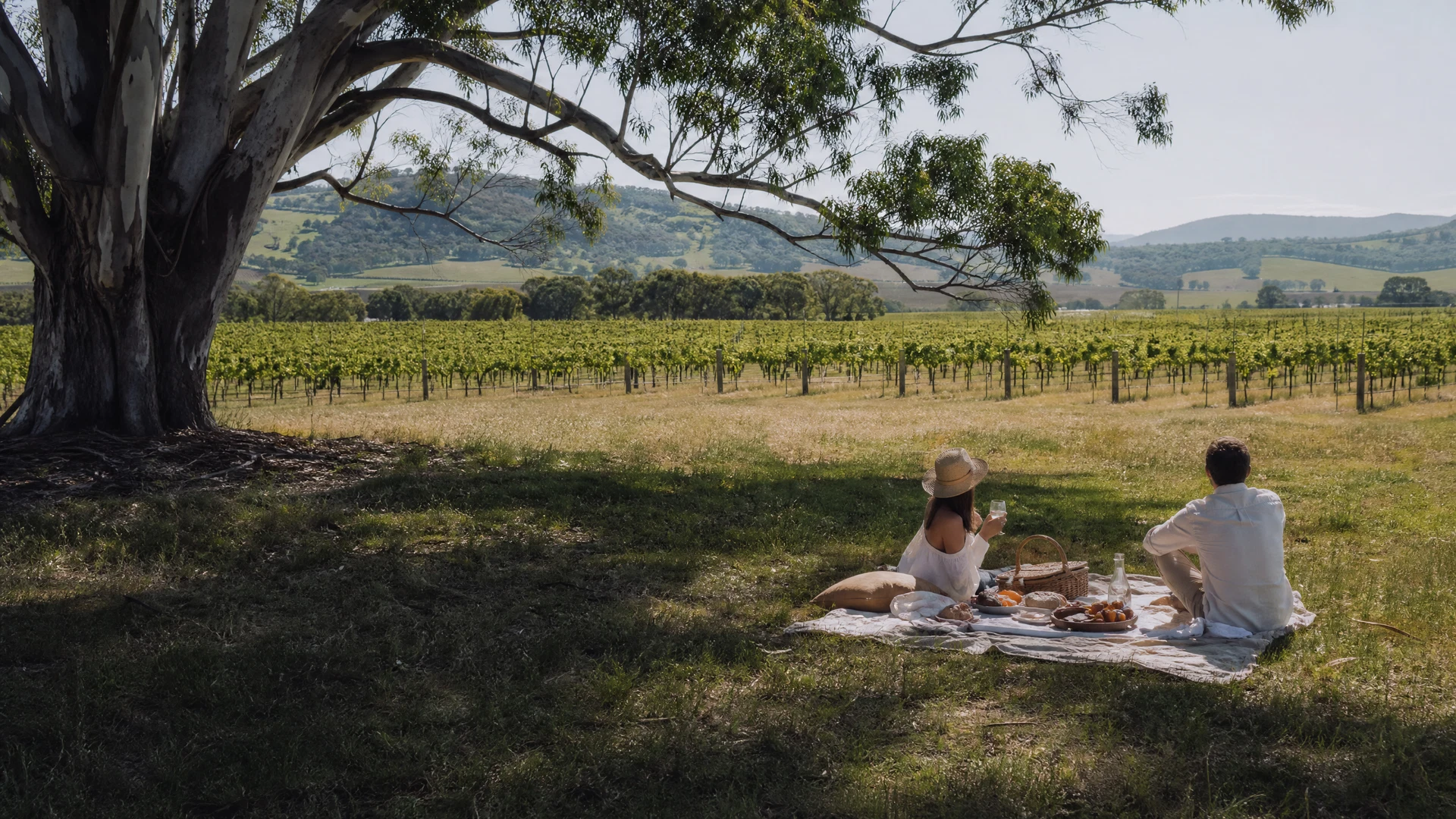
The ascent to the ridge is a physical transition, a gradual rising above the hum of the valley floor until the horizon opens in every direction. Standing atop the crest of a historic estate, the wind feels different—cleaner, carrying the whispers of the Broken Back Range that stands as a jagged, blue-hued sentinel to the west. Here, the geography of the Hunter Valley reveals itself not as a map, but as a living, breathing sculpture of undulating hills and geometric vine rows. The silence is not an absence of sound, but a presence of peace, broken only by the occasional rustle of leaves or the distant call of a bird. It is a place designed for pause, where the sheer scale of the landscape humbles the visitor and prepares the spirit for the slow, deliberate indulgence that is about to follow.
Unpacking a curated hamper in such a setting feels like a small ceremony of gratitude. The equipment provided—the heavy, textured blankets and the delicate, etched glassware—speaks to a tradition of elegance that refuses to be rushed. There is a tactile pleasure in smoothing the fabric against the grass, feeling the slight unevenness of the earth beneath, and arranging the components of the feast. This is the antithesis of the modern, hurried lunch; it is a commitment to the present moment. As the first bottle is uncorked, the sound echoing softly against the ridge, the world seems to contract until there is only the blanket, the view, and the anticipation of flavors that have been crafted just a few miles away in the dairies and groves of the valley.
The landscape itself acts as the primary guest at this table, its character shifting with every degree the sun drops toward the mountains. From this vantage point, the 360-degree views offer a masterclass in perspective, showing how the vines follow the contours of the land like the lines of an old, familiar palm. The Broken Back Range, with its ancient, weathered peaks, provides a dramatic backdrop that lends a sense of permanence to the fleeting afternoon. One cannot help but feel the weight of history here, in a region that has seen over a century of harvests. The ridge offers a rare clarity, allowing the eye to trace the boundaries of neighboring estates and the silver-green flickers of olive groves, all woven together into a singular, cohesive narrative of agricultural devotion.
When the lid of the hamper is finally lifted, the aromas of the Hunter Valley spill out, a concentrated essence of the surrounding terroir. The cheeses, sourced from the renowned Binnorie Dairy, are the centerpiece—a creamy, bloomy-rind brie that seems to hold the richness of the local pastures, and a marinated fetta that carries the bright, herbaceous notes of the valley’s gardens. Paired with the cold-pressed oils and plump olives from Pukara Estate, the meal becomes a map of the region’s artisanal heart. Each bite is a testament to the skill of local producers who work in harmony with the climate, turning the simple gifts of the earth into something sophisticated and deeply soul-stirring. The food is not just sustenance; it is a conversation between the land and the palate.
Seasonality dictates the rhythm of this experience, ensuring that no two picnics are ever truly the same. In the height of summer, the air is thick with the energy of the January harvest, and the hamper might overflow with ripe stone fruits that taste of pure sunshine. The vines are a vibrant, defiant green, heavy with the fruit that will soon become the region’s celebrated Semillon. As the year turns toward autumn, the mood shifts into a more contemplative register. The leaves begin their slow transformation into a mosaic of gold and ochre, and the fresh figs appear, their dark, honeyed sweetness providing a perfect counterpoint to the cooling breeze. To sit on the ridge during these transitions is to witness the patient, cyclical nature of the world, a reminder that beauty often requires time to ripen.
There is a profound sense of legacy that permeates the soil of these historic estates, a feeling that you are sitting amidst a story that began long before your arrival. The gnarled trunks of the older vines, some having weathered decades of drought and flood, stand as testament to the resilience of the Hunter’s viticultural heritage. As you sip a glass of crisp, citrus-forward wine, you are tasting the result of a specific alchemy—the combination of unique soil, maritime influences, and human persistence. The ridge provides a literal high point from which to appreciate this endurance. It is easy to imagine the early settlers standing on this same ground, looking out over the wild scrub and envisioning the ordered beauty of the vineyards that now stretch toward the horizon in every direction.
As the afternoon wanes, the "golden hour" arrives with a quiet, transformative power that alters the very fabric of the landscape. The light loses its midday harshness, softening into a warm, amber glow that seems to emanate from the earth itself. Shadows begin their long, slow crawl across the valley floor, highlighting the intricate topography of the ridges and the rhythmic patterns of the vine rows. The mountains of the Broken Back Range deepen into shades of violet and indigo, their silhouettes sharpening against a sky that fades from cerulean to a pale, dusty rose. This is the moment when the wistfulness of the valley is most palpable—a fleeting, luminous window where the world feels both vast and incredibly intimate, and the simple act of sitting becomes a form of meditation.
Eventually, the light fades enough that the details of the distant hills begin to blur into the twilight, signaling the end of the communion. Packing away the remains of the picnic—the empty jars of oil, the crumbs of artisan crackers, and the last drops of wine—is done with a lingering slowness, a reluctance to break the spell. The walk back down from the ridge is accompanied by the cooling air and the first few stars appearing in the vast Australian sky. Though the meal is over, the sensory memory of the ridge remains: the taste of the salt-flecked cheese, the warmth of the fading sun on the skin, and the profound quiet of the vines. You leave the hilltop not just full, but restored, carrying a piece of the valley’s enduring stillness back into the world.