Hunter Valley
The Alchemy of Time and Glass Among the Ancient Ironbark Shadows of a Pokolbin Summer
In the quiet corners of the Hunter Valley, where the heat of a January afternoon shimmers over rows of gnarly, centuries-old vines, there exists a particular kind of liquid patience. This is the realm of Semillon, a grape that begins its life with a sharp, electric clarity before retreating into the dark cellars of Pokolbin to transform. To sit within the cool, hushed air of a historic timber hut and taste the decades passing is to understand the true spirit of this landscape. It is an experience not of haste, but of deep, resonant stillness, where the citrus-bright notes of youth slowly yield to a complex, honeyed wisdom that only the passage of years can bestow upon the glass.
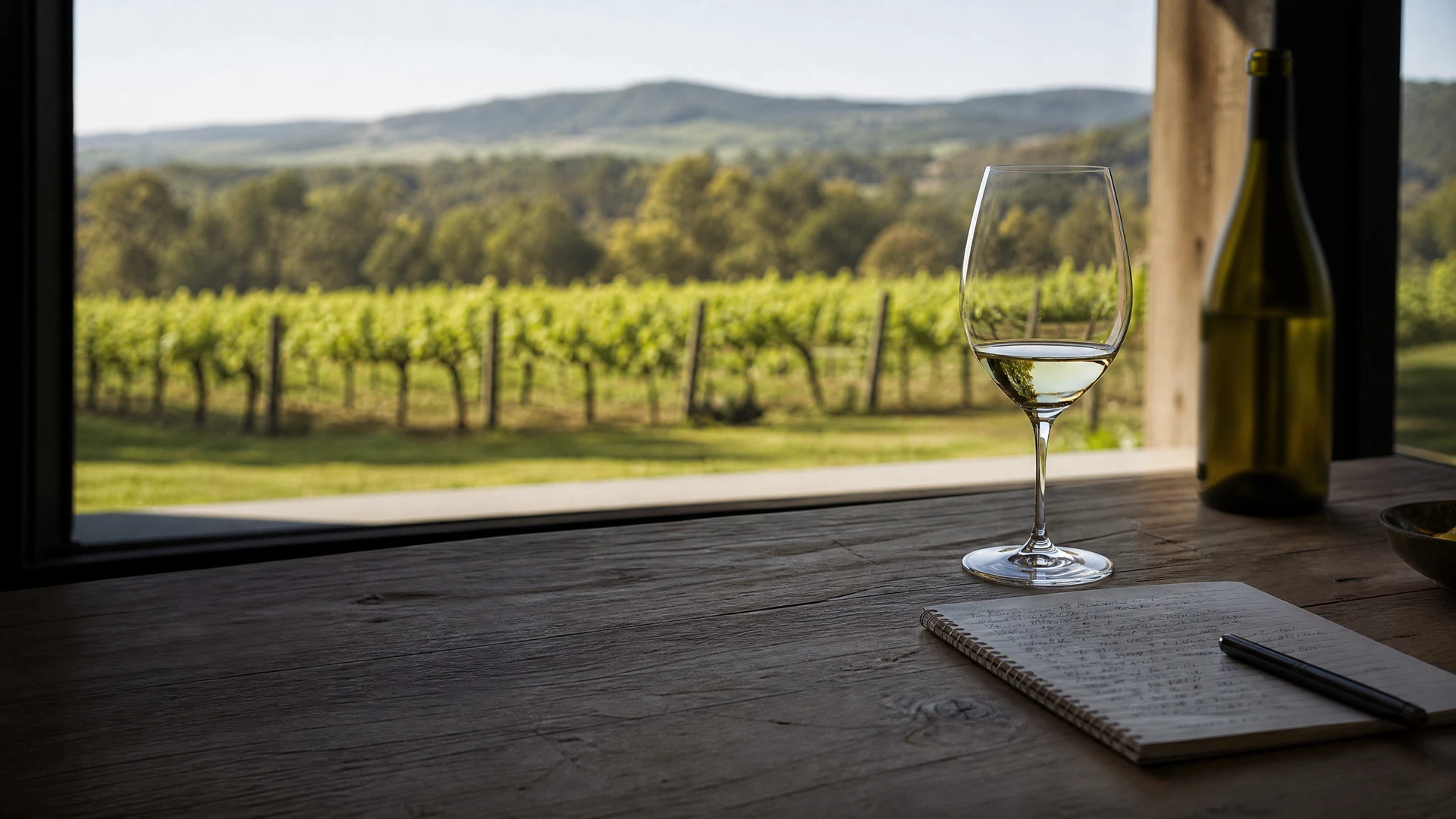
The road into Pokolbin is a ribbon of heat-dazed asphalt, winding through a landscape that feels both ancient and fragile. Here, the Hunter Valley breathes with a rhythm dictated by the sun and the soil, where vines have stood as silent witnesses to generations of labor. Pulling into the gravel driveway of an estate weathered by a century and a half, the air carries the scent of dry grass and the faint promise of fermenting fruit. The Broken Back Range looms in the distance, a jagged silhouette of blue that anchors the valley floor. It is a sanctuary where time is measured not in minutes, but in the slow, deliberate maturation of a vintage.
At the heart of the estate stands a structure that seems to have grown directly from the earth: an original ironbark slab hut, its timber weathered to a silvery grey. Built in 1858, the hut is a testament to the rugged persistence of the early vignerons who first recognized the potential of this parched terrain. Stepping inside, the temperature drops, and the air grows thick with the smell of old wood and the ghostly echoes of past harvests. The hand-hewn walls, rough-textured and resilient, offer a sanctuary from the midday glare. Here, amidst the shadows of the nineteenth century, the story of the valley’s most famous grape unfolds, whispered through the clink of glassware and the soft tones of those who guard its legacy.
The Semillon grape is a curious creature, often misunderstood in its infancy. In the height of the summer heat, typically during the sweltering days of January or February, the harvest begins with a sense of urgency. Unlike other varieties that bask in the sun until heavy with sugar, these grapes are plucked early, while their acidity is vibrant and potential alcohol remains low. In their youth, the wines are lean and almost austere, possessing a citrus-forward character often described as 'white lightning.' They are bone-dry and uncompromising, a reflection of the harsh, beautiful conditions of the Pokolbin terroir. To taste a young Semillon is to experience the raw energy of the vineyard, a sharp, refreshing jolt of lemon zest, unadorned by oak.
But the true magic of this variety lies in its extraordinary capacity for transformation. Without ever touching a wooden barrel, the wine undergoes a silent, internal alchemy as it rests in the bottle. Over five, ten, or even twenty years, the sharp edges of its youth begin to soften. The pale straw color deepens into a rich, burnished gold, and the palate develops a complex, honeyed richness that seems to defy its humble beginnings. It is a metamorphosis achieved through nothing but time and the inherent character of the fruit. The citrus notes evolve into toasted brioche and beeswax, a deep, savory nuttiness that lingers long after the glass is empty. This is the wistful beauty of aged Semillon—a reminder that some things only reach their peak when allowed to wait.
The ritual of the tasting is a structured affair, yet it feels deeply personal. Guided sessions occur at specific intervals—perhaps at 11:15 am, when the morning light is still crisp, or at 1:45 pm, as the heat begins to settle. Each flight of wine is a journey through the seasons, a vertical exploration of how different years have shaped the character of the estate. The pourer speaks of rainfall and heatwaves, of the specific block of vines that produced a particular bottle, and of the families who have tended this land since the days of the ironbark hut. It is an hour of technical appreciation, yes, but also one of storytelling, where the glass becomes a medium for connecting with the history of the Hunter.
Outside the tasting room, the landscape invites a different kind of contemplation. The surrounding grounds, often dotted with shaded picnic areas, provide a space to linger and absorb the atmosphere. Here, one might see a visitor sharing a quiet moment with a pet under the canopy of a broad-leafed tree, or a couple spreading a blanket on the grass to enjoy a local platter. The gnarly, ancient vines stretch out in geometric rows, their leaves shimmering in the breeze. As the afternoon progresses, the shadows of the vine posts grow long and thin, reaching across the dusty earth like the fingers of a clock. The silence is broken only by the occasional call of a bird, creating a sense of profound isolation from the outside world.
There is a certain wistfulness in standing among these old vines, knowing that the wine being enjoyed today was born from a season long past. It is a reflection on the cyclical nature of life in the valley—the frantic energy of the harvest, the quiet dormancy of winter, and the slow, invisible work of maturation. The winemaker’s patience is a rare commodity in an age of instant gratification, a commitment to a result that may not be fully realized for a decade. To drink an aged Semillon is to participate in that patience, to acknowledge the foresight of those who tucked these bottles away years ago. It is a lesson in the value of endurance and the grace that comes with age.
As the sun begins its descent, casting a final, golden glow over the Pokolbin estates, the taste of the valley lingers on the palate. Leaving the ironbark hut behind, the air feels cooler, the shadows deeper. The drive back through the vineyard-lined lanes is a slow, reflective journey, the blue peaks of the mountain range fading into the twilight. You carry with you more than just a bottle; you carry the memory of a place that honors its past while quietly preparing for its future. The Hunter Valley, with its storied Semillon and its weathered timber heritage, remains a sanctuary for those who seek the profound beauty found in the slow passage of time, captured forever in a single, golden glass.