Gardens
Small courtyards are turning heat resilience into a shared ritual.
Urban courtyards are evolving from private retreats into critical thermal buffers, where smart technology and community-led greening transform the daily struggle against rising temperatures into a collective ritual of resilience and care.
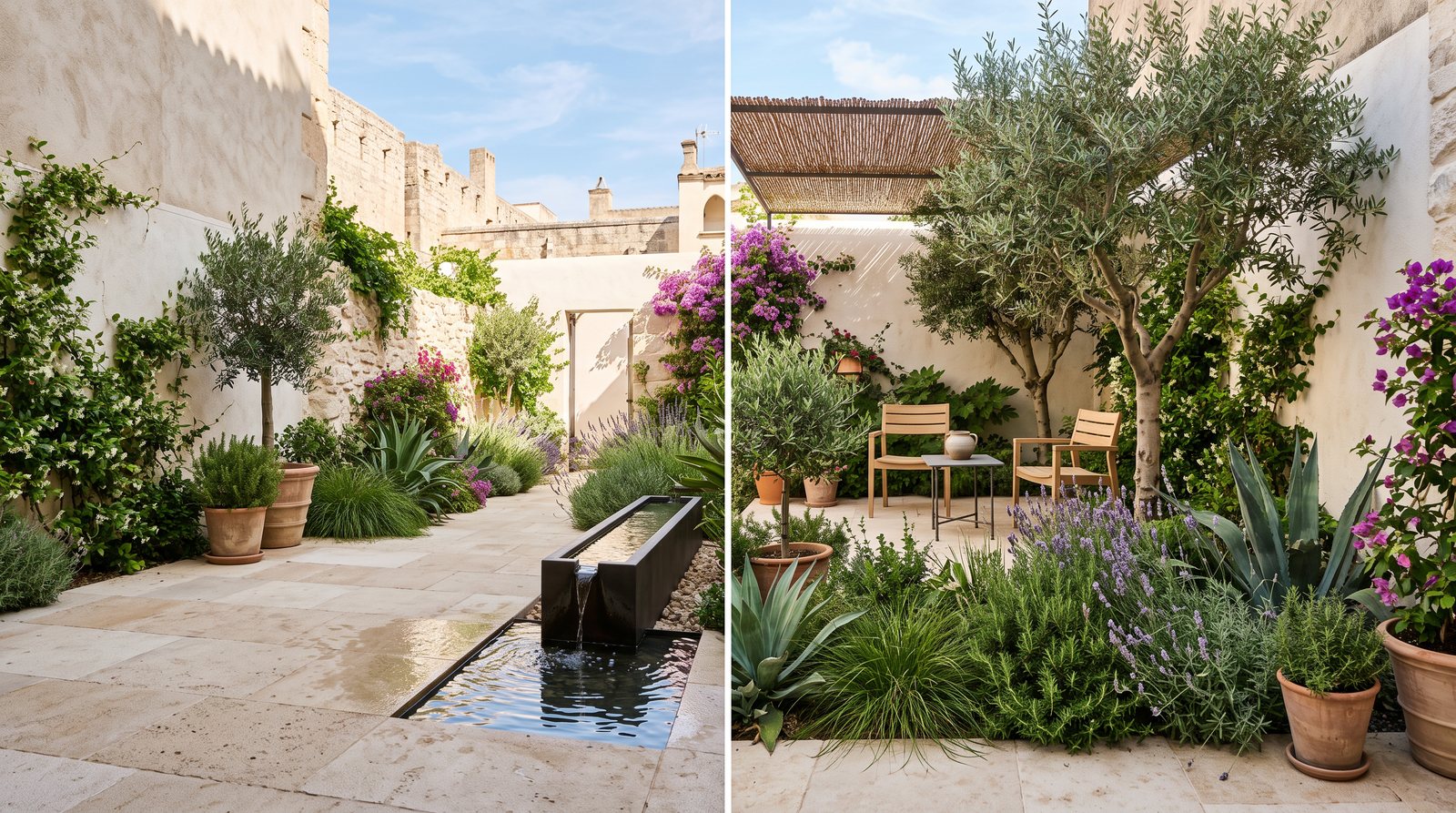
The urban courtyard is transforming from a secondary architectural feature into a primary site of environmental defense. As global temperatures rise and the urban heat island effect intensifies, these confined spaces are being re-evaluated for their capacity to act as localized thermal buffers. This shift is not merely aesthetic; it represents a strategic pivot in how city dwellers interact with their immediate surroundings. In narrow terraces and compact apartment blocks, the courtyard is now a critical component of a broader resilience strategy. This evolution is driven by the recognition that small-scale interventions, when multiplied across a neighborhood, can significantly alter the ambient temperature and livability of the urban fabric, turning private enclaves into vital public assets.
Documentation of this shift is a central focus for Green Room, which tracks the intersection of horticulture, design, and environmental science. The current trend highlights a move away from thirsty ornamental gardens toward a functional approach to greenery. Heat resilience involves selecting species capable of surviving prolonged dry spells while providing maximum evaporative cooling. Research suggests that the specific arrangement of plants, vertical surfaces, and water features can lower surface temperatures by several degrees. This creates a tangible sense of relief for residents, demonstrating that even the smallest patch of ground can serve as a potent tool for climate adaptation, transforming urban laboratories into models for sustainable living in a warming world.
Technology integration, or the "robotics-field," is a significant departure from traditional gardening. This involves deploying sophisticated, low-power sensor networks and automated systems that manage the courtyard’s microclimate with precision. These systems monitor soil moisture, humidity, and solar radiation in real-time. When temperatures hit a critical threshold, automated misting systems or retractable shading structures are activated, preventing sandstone walls or concrete floors from absorbing and re-radiating heat into the home. This technological layer ensures that the garden remains a cooling asset during the peak of a heatwave, allowing for a level of maintenance impossible for a human gardener to sustain manually, thereby securing the thermal integrity of the domestic space.
Cooling urban courtyards is also becoming a social endeavor—a shared ritual that binds neighbors together. In high-density areas, management of these spaces has moved from individual concern to collective action. Residents share knowledge about drought-tolerant species, trade cuttings of resilient plants, and coordinate watering schedules to maximize the cooling effect for the entire street. This communal approach transforms gardening from a solitary hobby into a public service. The ritual of evening watering has evolved into a moment of community engagement, where collective cooling is recognized as a shared responsibility and a common good, fostering social cohesion alongside ecological resilience and creating a sense of shared purpose.
The physical structure of the courtyard is being redesigned to support these thermal goals. Architects favor light, permeable surfaces over heat-absorbent materials. Sandstone, a staple of Sydney’s heritage, is used for its thermal properties when paired with proper shading and hydration. Vertical gardens and green walls cover large expanses of masonry, turning hard, reflective surfaces into soft, transpiring ones. These architectural adaptations work with vegetation to create a layered defense against heat, ensuring the courtyard remains a functional living space even when the outside world is sweltering. By integrating these elements, designers create micro-habitats that prioritize thermal comfort without sacrificing historical character, making the courtyard a resilient sanctuary.
Emphasis is now on biodiversity and ecological function over pure ornamentation. By introducing a variety of species—from deep-rooted shrubs to delicate groundcovers—gardeners create a robust ecosystem that withstands environmental stress. This diversity supports local pollinators, further integrating the courtyard into the wider urban ecology. The focus is on creating a "living environmental instrument" that cools the air, filters pollutants, and provides a sanctuary for humans and wildlife. This shift reflects a broader understanding of the garden as a working landscape rather than a static display, where every plant is chosen for its specific contribution to the microclimate’s health and the overall resilience of the urban environment.
Benefits extend far beyond immediate cooling. Economic advantages include lower energy costs for air conditioning, leading to reduced utility bills and a smaller carbon footprint. Furthermore, the psychological impact of access to a lush, cool space in a hot city is profound. These oases provide a vital connection to nature, offering a sense of calm and respite essential for mental well-being in crowded environments. The "ritual" of the garden protects physical health by moderating temperature and supports mental health by providing a tranquil retreat. These spaces become essential infrastructure for urban living, proving that environmental care and human well-being are inextricably linked.
Successes in private courtyards are informing city-wide resilience strategies. Planners and policymakers are looking to incentivize greening private courtyards and rooftops, recognizing that the cumulative effect of thousands of small gardens could transform a city’s overall resilience. Lessons from Green Room are being applied to public parks and commercial developments, creating a cohesive, climate-responsive urban landscape. This scaling process requires continued commitment to research and innovation, as well as a willingness to rethink traditional notions of urban space and ownership. By treating every available surface as a potential site for climate mitigation, cities can build a more robust defense against the challenges of a warming world.
The urban courtyard represents a primary interface between humanity and a changing climate. The combination of biological resilience, technological precision, and community cooperation provides a powerful model for inhabiting a warming world. The "shared ritual" of the garden is not just a response to a crisis, but a new way of living that values care and collective action. As we refine these spaces, they stand as a testament to our ability to adapt and thrive, turning future challenges into opportunities for connection and renewal. The small courtyard, once a modest patch of sky, has become a vital lung for the city and a blueprint for a resilient future.