Cinema
Restored neighborhood cinemas are making room for a different kind of night out.
Restored neighborhood cinemas are reclaiming the 'shared dark,' offering a deliberate alternative to the isolation of streaming by turning historic theaters into vital civic rooms for community gathering and careful curation.
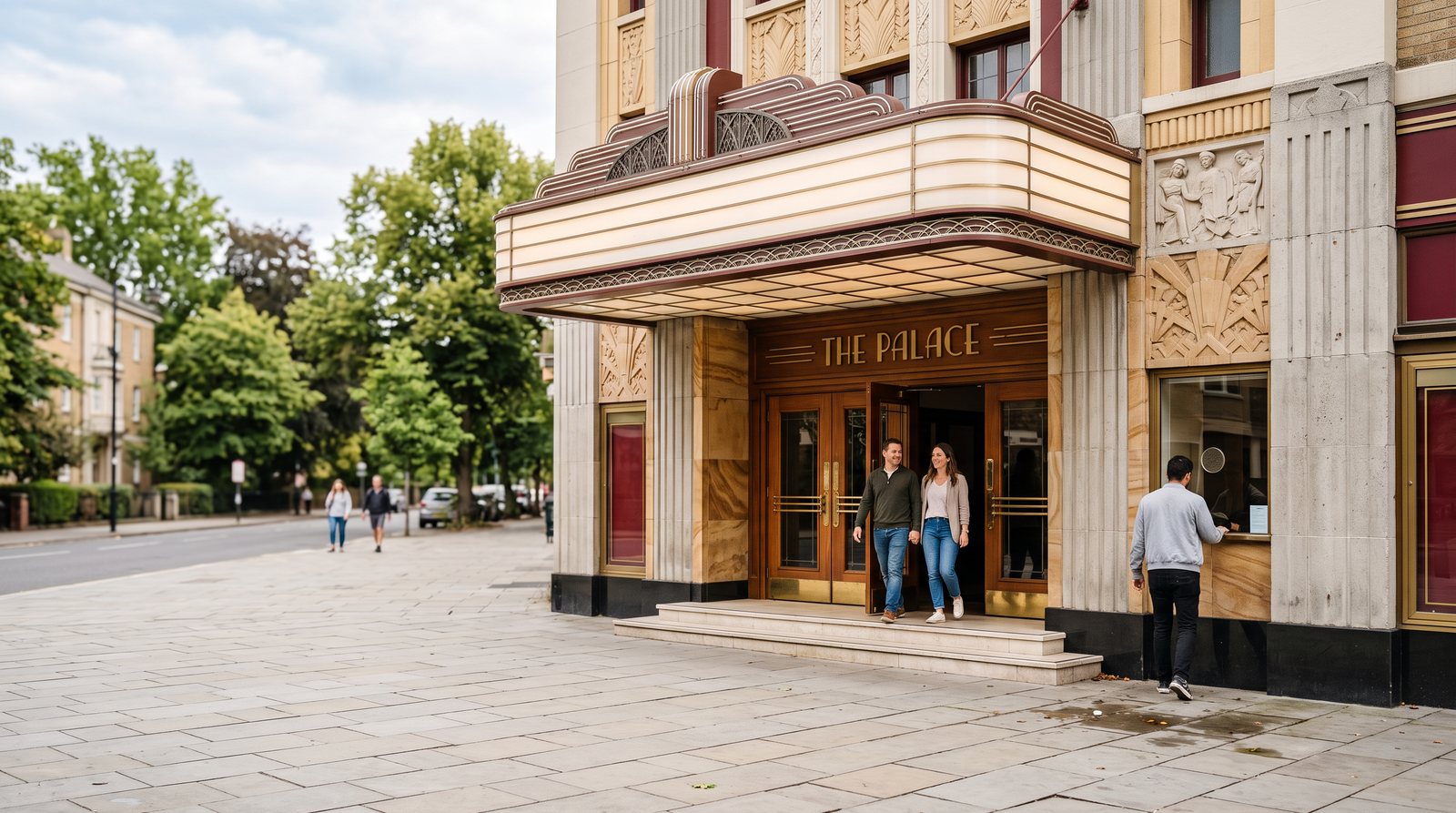
The restoration of neighborhood cinemas represents a significant shift in the urban social fabric, moving away from the industrial scale of the multiplex toward a more intimate, deliberate form of public gathering. For decades, the local cinema was a casualty of two competing forces: the consolidation of theater chains into suburban malls and the migration of film viewing into the private domestic sphere. However, a growing exhaustion with the frictionless, solitary nature of streaming has prompted a return to the "shared dark." These revived spaces are not merely nostalgic reconstructions; they are functional civic rooms that prioritize the quality of the encounter over the volume of the audience. Neighborhoods are rediscovering a form of night out defined by proximity, patience, and a collective focus that the home screen cannot replicate.
Architecturally, the revival of these theaters often begins with the stripping away of decades of neglect or ill-conceived renovations. Many of these buildings were originally designed as "picture palaces," featuring Art Deco flourishes, grand proscenium arches, and intricate plasterwork that were later covered by drywall or acoustic tiling. The process of restoration is as much about archaeology as it is about construction. It requires a careful balance between preserving historical character and integrating modern projection technology and seating standards. When a neighborhood cinema is successfully restored, the building itself becomes part of the performance. The height of the ceiling, the curve of the balcony, and the specific acoustics of a room designed for sound all contribute to a sensory experience that grounds the film in a specific place.
The social rhythm of a neighborhood cinema differs fundamentally from the transactional nature of larger venues. In a multiplex, the goal is often efficiency—moving large numbers of people through a standardized sequence of ticket purchase, concession stand, and exit. In contrast, the restored local cinema often functions as a "third place," a room that sits between the home and the workplace. It is a space where the lobby is as important as the auditorium, serving as a venue for conversation before and after the screening. This social density transforms the act of watching a film from a passive consumption of content into a shared community event. The presence of other people and the collective reaction to a scene serve to reinforce the cinema's role as a vital anchor for local culture.
One of the most profound aspects of the neighborhood cinema is its ability to curate a specific visual identity for its community. Unlike major chains that are bound by national distribution deals and blockbuster schedules, independent cinemas have the freedom to program with a more precise editorial voice. This might involve a mix of first-run independent films, retrospective series, and local documentaries that reflect the interests of the immediate neighborhood. This relationship builds a loyal audience that values the cinema’s perspective, turning the venue into a cultural curator that helps define the neighborhood's aesthetic and intellectual character.
The economic sustainability of these restored spaces often relies on a diversified model that extends beyond ticket sales. Many successful neighborhood cinemas incorporate secondary uses such as cafes, bars, or small bookstores, allowing the building to remain active throughout the day rather than just during screening times. This multi-functional approach helps to offset the high costs of maintaining a heritage building and provides a buffer against the fluctuations of the film industry. Furthermore, many independent theaters operate on a membership or subscription basis, fostering a sense of ownership among the local population. This financial model is built on the conviction that the cinema is a public good, worthy of support because of the value it adds to the neighborhood’s social and economic vitality.
The physical experience of the "shared dark" remains the cinema’s most durable asset. In an era of constant digital distraction, the theater provides a rare environment where attention is both requested and enforced. The darkness of the room, the scale of the image, and the absence of a "pause" button create a psychological state of immersion that is difficult to achieve elsewhere. This forced focus allows for a deeper engagement with the film, making the viewing experience more memorable and impactful. The neighborhood cinema, by keeping its scale manageable, ensures that this immersion is not lost in a sea of thousands. It preserves the human scale of the encounter, making the film feel like it is being shown specifically for the people in that room, at that moment.
Furthermore, the restoration of these cinemas often acts as a catalyst for wider neighborhood revitalization. A functioning theater brings foot traffic to the street at night, supporting nearby restaurants, bars, and retail shops. It provides a sense of safety and activity that can transform a quiet or neglected block into a vibrant cultural destination. This "halo effect" demonstrates that the value of a neighborhood cinema is not confined to its four walls; it is an investment in the civic health of the surrounding area. The presence of a local cinema signals that a neighborhood is a place where culture is made and shared, rather than just consumed from afar. It is a declaration of the importance of physical space in an increasingly digital world.
Ultimately, the return of the neighborhood cinema is a reminder that the way we watch films matters as much as the films themselves. While technology has made it possible to access almost any movie from anywhere, it has also stripped away the context and the community that once defined the cinematic experience. The restored theater brings that context back, providing a dedicated room where film can be treated with the seriousness and the care it deserves. As these spaces continue to open across cities, they offer a different kind of night out—one that is slower, more deliberate, and more connected to the people and the places around us. They are not just rooms for movies; they are rooms for the city to see itself.