World city
The Sandstone and the Salt Spray: A Journey Through Sydney’s Layered Soul
From the ancient Gadigal heritage of the Eora Nation to the shimmering glass of Barangaroo, Sydney reveals itself as a city of profound juxtapositions where colonial history and modern Pacific identity collide along the world’s most beautiful harbour.
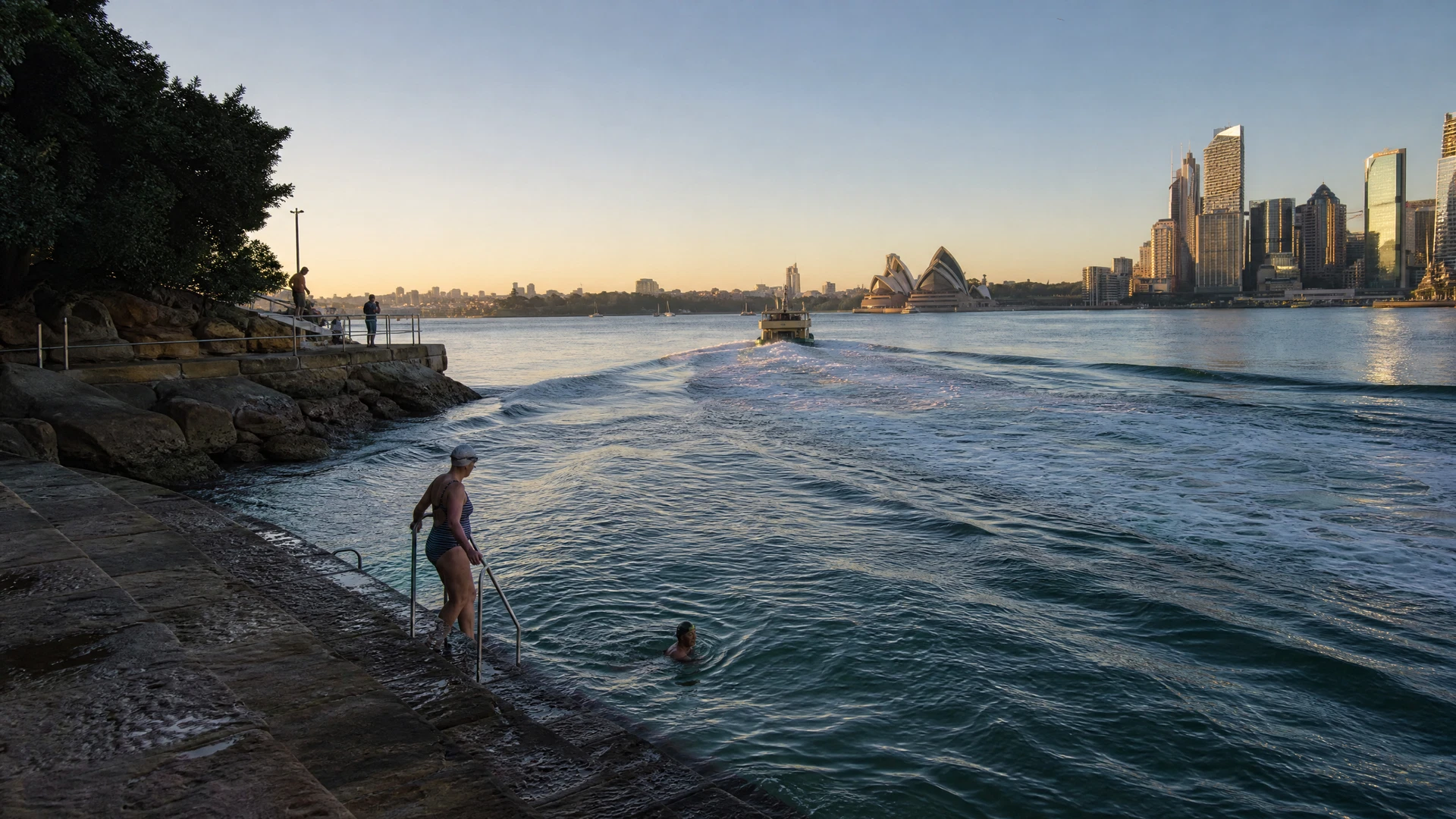
To arrive in Sydney is to be greeted by the deep, indigo embrace of a harbour that is far more than a maritime hub; it is the living heart of the Eora Nation. Long before colonial sails appeared, the Gadigal people navigated these waters, their lives intertwined with the sandstone coves. Today, standing on a green-and-yellow First Fleet ferry, the salt spray is a reminder that this city’s identity is anchored in a heritage spanning millennia. The harbour is a public stage where the daily drama of a modern metropolis unfolds against a landscape that whispers the stories of its original custodians. To understand Sydney, one must acknowledge this Gadigal grounding, recognizing that every soaring skyscraper sits upon a cultural foundation that remains essential to the city's modern Pacific identity.
Stepping off at Circular Quay, a short walk leads into the narrow laneways of The Rocks, where colonial-era convict life is etched into the sandstone. This site of the first British settlement feels tangible and heavy. At Susannah Place, humble terraces tell stories of working-class families, while heritage pubs like the Fortune of War offer a rowdy link to 19th-century sailors. There is a wistful tension here, as weathered, hand-hewn colonial blocks sit directly beneath the gleaming glass towers of the central business district. It is a layered juxtaposition that defines Sydney—a city negotiating its grim origins as a penal colony with its status as a polished, global powerhouse, never quite letting go of the grit that gave it birth.
Just beyond The Rocks lies Barangaroo Reserve, a six-hectare headland park that transformed a sterile concrete container terminal into a natural sanctuary. Featuring 75,000 native plants, the site reflects the landscape as it was before European arrival. Named after the powerful Eora woman Barangaroo, the reserve is a tribute to First Nations significance and environmental resilience. Walking the Wulugul Walk, you feel the transition from an industrial past to a future honoring indigenous wisdom. The sandstone used here was excavated directly from the site, grounding the new landscape in the literal bedrock of the city and providing a quiet space where the rustle of native grasses replaces the former clang of heavy machinery.
In Sydney, the ferry system is the "beautiful commute," a daily ritual that elevates the mundane. For thousands, the workday begins on the open water, crossing the harbour as the sun illuminates the white sails of the Opera House and the steel arch of the Harbour Bridge. This network of vessels serves as the city's lifeblood, offering panoramic views of hidden coves and rugged bush fringes. From Circular Quay, these ferries fan out to the Northern Beaches and the Inner West, bridging the gap between the urban core and tranquil harbour reaches. It is a public stage for daily life, where office workers stand shoulder-to-shoulder with surfers, all united by the rhythmic pulse of the tides and a shared relationship with the water.
If the harbour represents Sydney’s polish, the Inner West district of Newtown provides its gritty, creative counterpoint. Along King Street, the air is thick with roasting coffee and independent music spilling from vintage boutiques. The iconic "I Have a Dream" mural stands as a sentinel of the neighborhood's progressive spirit and thriving arts scene. Here, the city’s identity takes a different form—one of subculture and rebellion. Newtown is a place where street art is as much a part of the architecture as the Victorian-era storefronts, and where the multi-ethnic Pacific identity is expressed through a kaleidoscope of culinary offerings. It is a reminder that beyond the glittering waterfront, there is a city that is restless, experimental, and deeply connected to contemporary urban life.
The architectural landscape of Sydney is a visual manifestation of its historical negotiation. Everywhere, 19th-century colonial sandstone foundations sit directly beneath soaring glass skyscrapers, creating a skyline both rooted and aspirational. This layered juxtaposition reflects a society constantly re-evaluating its place in the world. The stoic presence of the General Post Office provides a grounding weight to the ephemeral, light-reflecting surfaces of modern towers. This dialogue between old and new is a constant reminder of the city's evolution from a remote outpost to a dynamic hub of the Pacific Rim. In this tension—between the permanence of stone and the transparency of glass—the true character of Sydney is found, a city proud of its heritage but never limited by it.
Navigating this metropolis is seamless via the Opal system, allowing travelers to tap on and off across trains, light rail, and ferries with a single card. To truly experience the city, one must embrace the rhythm of its seasons. The optimal visiting windows are Spring, when jacarandas bloom, and Autumn, when summer humidity yields to crisp, clear days perfect for coastal walks. Avoiding the intense heat of mid-summer ensures that the trek from Bondi to Coogee or the exploration of the Royal Botanic Garden remains a pleasure. By utilizing weekly fare caps, visitors can explore the harbour's diverse coves affordably, making the most of a city that offers its greatest treasures to those willing to explore its public spaces and natural beauty.
Ultimately, Sydney invites you to look beneath the surface to see the Gadigal heritage that remains its foundation. It is a place where salt air and sandstone create a unique sensory experience, both wistful and invigorating. Whether exploring the convict-carved laneways of The Rocks, wandering the native sanctuary of Barangaroo, or catching a ferry as the sun sets, you are part of a story still being written. The "Harbour City" is a living cultural landscape, a place of layered history and Pacific ambition that continues to evolve while remaining connected to the land and water. To visit Sydney is to witness a city in motion, where the echoes of the past and visions of the future harmonize in the salt spray of the world's most beautiful harbour.