World city
The Rhythms of Resilience in the Crescent City
A journey through the layered history and vibrant culture of New Orleans, where Creole heritage and jazz traditions create a timeless urban tapestry.
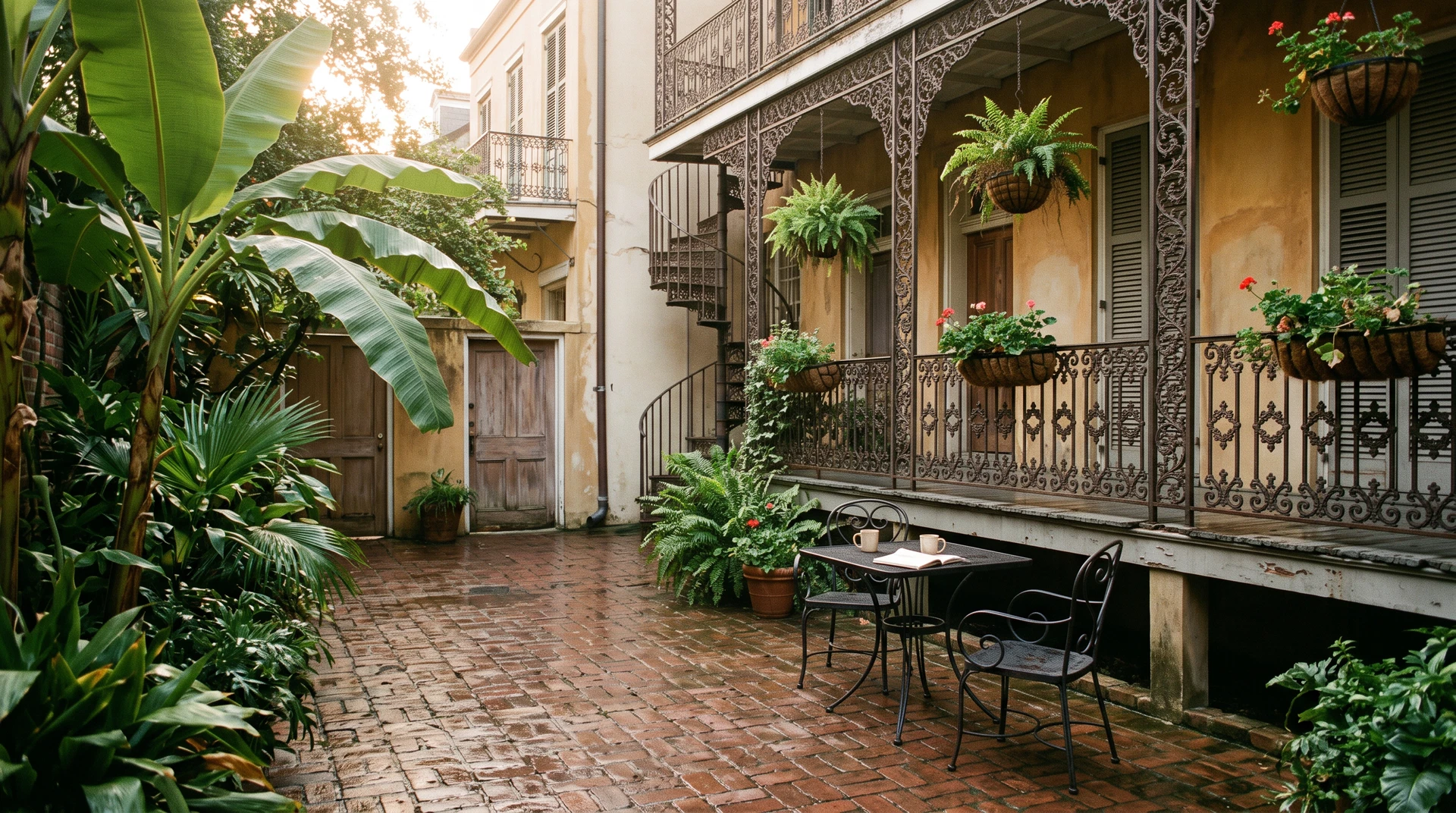
New Orleans is a city that does not merely occupy space; it breathes, exhales, and occasionally sighs with the weight of its own history. To step onto its humid streets is to enter a realm where the linear progression of time feels more like a suggestion than a rule. The air is thick with the scent of blooming jasmine, river silt, and the faint, persistent aroma of slow-cooked roux, creating a sensory envelope that immediately distinguishes the city from any other American metropolis. Here, the architecture serves as a living record of survival, from the weathered stucco of the French Quarter to the stately mansions of the Garden District. It is a place where the past is not preserved in sterile museums but is instead worn like a well-loved garment, frayed at the edges but rich with the texture of a thousand stories.
At the heart of the city’s identity lies the Faubourg Tremé, the oldest African American neighborhood in the United States and the undisputed cradle of jazz. It is within the hallowed grounds of Congo Square that the city’s musical soul was first forged, as enslaved people gathered on Sundays to maintain West African rhythms that would eventually evolve into the world’s most influential art form. Today, the Tremé remains a bastion of cultural continuity, where the sound of a distant trumpet is as common as the rustle of leaves in the live oaks. The neighborhood’s significance is further anchored by the Backstreet Cultural Museum, which houses an extraordinary collection of regalia belonging to the Mardi Gras Indians, a tradition that blends African, Caribbean, and Indigenous influences into a vibrant display of community pride and resistance.
Moving away from the dense history of the Tremé, the St. Charles Avenue streetcar provides a rhythmic transit through the Garden District, where the city’s aesthetic shifts toward a haunting Southern Gothic elegance. As the vintage dark-green cars glide along their tracks, they pass beneath a sun-dappled tunnel of ancient live oaks, their branches draped in the ghostly silver of Spanish moss. The mansions here are masterpieces of 19th-century architecture, featuring intricate wrought-iron balconies and sprawling verandas that suggest a slower, more deliberate pace of life. This district captures the wistful side of New Orleans, where the grandeur of the past remains stubbornly present, standing as a testament to the city’s enduring capacity for beauty amidst the encroaching modern world.
While the neon-lit commercialism of Bourbon Street often dominates the tourist imagination, the true musical sanctuary of New Orleans is found on Frenchmen Street in the Marigny. This narrow corridor serves as the city’s living room, where brass bands and jazz ensembles perform nightly in intimate venues like The Spotted Cat. The music here is not a performance for spectators but a communal dialogue, a shared experience that blurs the line between the stage and the sidewalk. In the Marigny, the rhythm of the city is felt in the vibration of the floorboards and the collective sway of the crowd, offering an authentic glimpse into the creative pulse that has sustained New Orleans through centuries of transformation and trial.
The overarching theme of New Orleans is one of Creole Hybridity, a unique cultural synthesis that defies simple categorization. It is a profound melding of French, Spanish, West African, and Caribbean influences that manifests in every facet of local life, from the linguistic cadence of the residents to the complex layers of a traditional gumbo. This hybridity is not merely a historical footnote but a living, breathing force that continues to shape the city’s evolution. It is visible in the colorful facades of the Creole cottages and the intricate ironwork of the balconies, reflecting a society that has mastered the art of blending disparate elements into a harmonious and resilient whole.
Perhaps nothing encapsulates the spirit of New Orleans more poignantly than the Second Line tradition. Evolving from the somber jazz funerals of the past, these celebratory brass band parades have become a symbol of communal resilience and a defiance of hardship. To witness a Second Line is to see the city in its most honest form—a rhythmic movement of people through the streets, fueled by the collective joy of being alive. It is a reminder that in New Orleans, celebration is not an escape from reality but a way of confronting it, turning the pain of the past into the music of the present through a shared heartbeat that echoes across every neighborhood.
For those seeking to experience this atmospheric depth, timing is essential. The temperate window from March through May offers the most vibrant immersion, coinciding with the height of the festival season. During these months, the city is a whirlwind of activity, from the chaotic splendor of Mardi Gras to the world-renowned Jazz & Heritage Festival. The weather is mild, allowing for the long, wandering walks that are necessary to truly understand the city’s geography. However, visitors must be prepared for the logistical realities of a city in celebration; traditional transit routes are frequently detoured, and the most effective way to navigate the parades and street parties is often on foot, allowing for spontaneous discoveries in every hidden alleyway.
Ultimately, New Orleans is a city that demands a certain surrender from its visitors. It asks that you set aside your schedules and allow yourself to be carried by the current of its unique rhythm. Whether you are listening to a lone saxophonist on a street corner in the Marigny or watching the sunset from the deck of a ferry crossing the Mississippi, the city offers a profound sense of connection to something larger than oneself. It is a place of contradictions—elegant yet gritty, historic yet ever-changing—but above all, it is a city that knows how to endure. In the quiet moments between the brass notes, one finds the true essence of New Orleans: a wistful, enduring beauty that remains long after the last parade has passed.