World city
The Faded Grandeur and Living Rhythm of Buenos Aires.
A journey through the Paris of the South, where the echoes of immigrant dreams and the sharp staccato of tango meet in a city defined by its melancholic magnetism and architectural elegance.
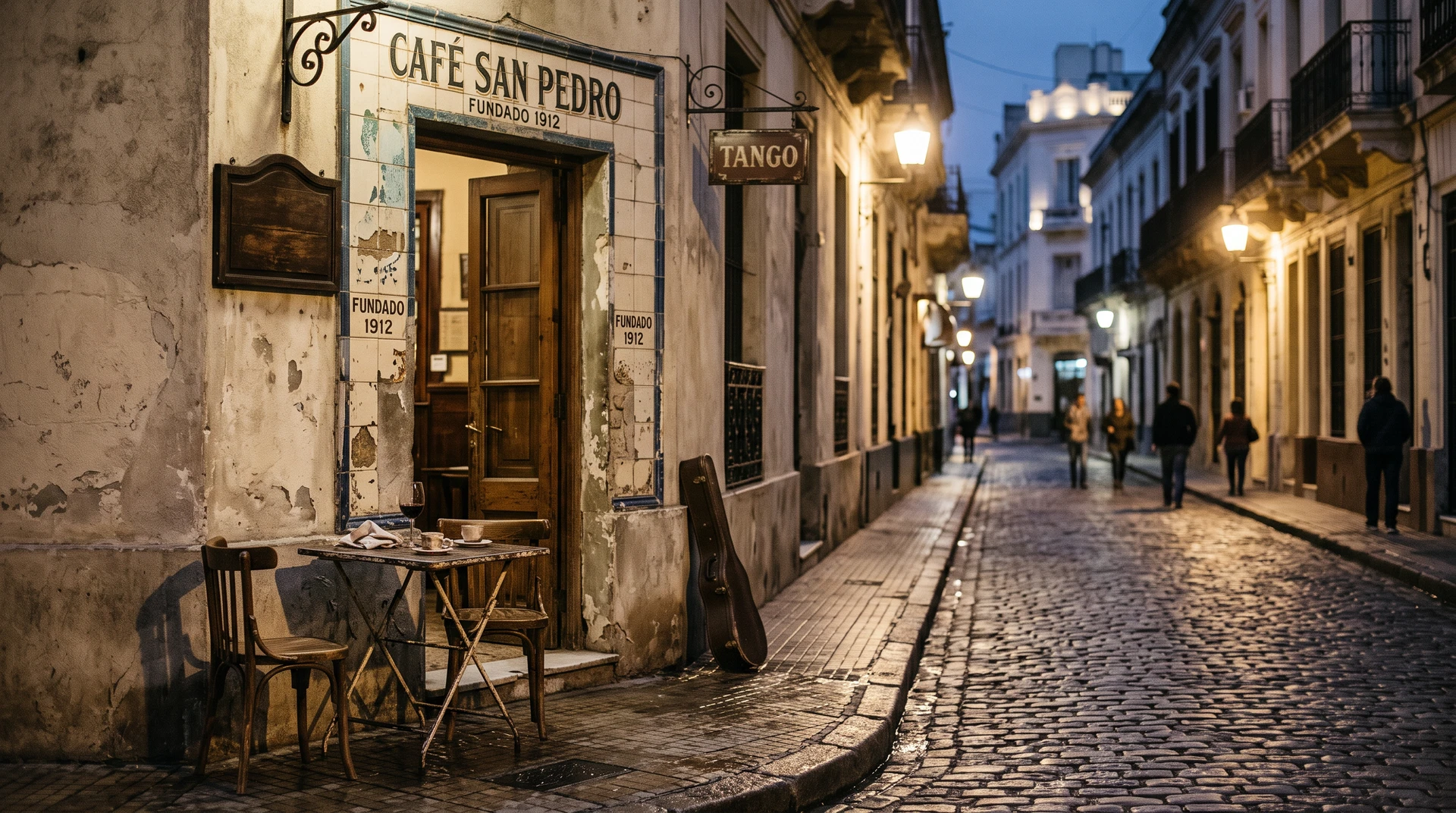
Buenos Aires is a city that breathes through its contradictions, a sprawling metropolis where the grandiosity of nineteenth-century European ambition meets the soulful resilience of South American life. Often dubbed the Paris of the South, the Argentine capital presents a skyline that feels like a dream of the Old World, transported across the Atlantic and left to weather under the Southern Cross. There is a specific, heavy quality to the air here—a sense of saudade, or a longing for something that might never have existed, which the locals call melancholic magnetism. As you step onto the broad avenues, the sheer scale of the city’s neoclassical facades suggests a history of immense global aspiration. Yet, it is in the narrow side streets and the quiet corners of its traditional cafes that the true heart of the city beats, offering a sanctuary for the dreamers who navigate its complex, beautiful landscape.
To understand the city’s origins, one must walk the uneven cobblestones of San Telmo, the oldest barrio in Buenos Aires. Once the home of the city’s elite, San Telmo remains a preserve of colonial architecture and bohemian spirit, a labyrinth of mansions repurposed into antique shops and intimate tango clubs. On Sundays, the neighborhood transforms during the Feria de San Telmo at Plaza Dorrego, where the clinking of silverware from outdoor cafes mingles with the rhythm of live bands. Collectors and travelers weave through stalls overflowing with silver trinkets and forgotten photographs, each item a small piece of the Argentine puzzle. It is a place where time seems to loop back on itself, grounding the visitor in the city’s foundational layers of grit and elegance.
A short distance away lies La Boca, a district that wears its immigrant history in a riot of primary colors. The famous Caminito, a narrow pedestrian street lined with brightly painted wooden and corrugated iron tenements, serves as a living museum of the port’s working-class past. These conventillos were once the first homes for waves of Italian and Spanish immigrants who used leftover ship paint to decorate their modest dwellings. Today, the area is a sensory explosion of street performers and the persistent smell of the docks. While the tourist-heavy core is theatrical, the surrounding streets retain a tough, authentic character that speaks to the city’s industrial roots. It is here that the grit of the port meets the creative impulse of a people who turned their survival into a vibrant, visual declaration of presence.
It is impossible to speak of Buenos Aires without acknowledging the tango, the dance that serves as the city’s spiritual lifeblood. Born in the dockside bars of La Boca and San Telmo, tango was originally the music of the marginalized—a fusion of African rhythms and European melodies reflecting the profound loneliness of the immigrant experience. Today, it remains most evocative when encountered in its natural habitat, whether a couple dancing on a street corner for tips or a milonga where locals gather until the early hours. The dance is not merely a performance; it is a physical manifestation of the city’s inherent melancholy, a conversation of steps that balances tension and release. To watch a tango is to witness the city’s soul in motion, a testament to the enduring power of connection in a world that often feels fragmented.
Moving north toward Recoleta, the city’s character shifts to the grand and the somber. This is the Buenos Aires of the elite, defined by wide boulevards and the impressive Recoleta Cemetery, a city of the dead that rivals the finest museums. Within its high walls, narrow lanes are lined with elaborate marble mausoleums housing the remains of presidents and the iconic Eva Perón. Walking through the cemetery is a lesson in Argentine history, where the competitive grandeur of the country’s founding families is immortalized in stone. The silence here is a sharp contrast to the bustling city outside, providing a space for reflection on the transience of power and the permanence of memory, all set against a backdrop of architectural brilliance that justifies the city’s European comparisons.
The intellectual life of Buenos Aires is perhaps best experienced through its legendary cafe and bookstore culture. The city boasts a staggering concentration of bookstores, with the breathtaking El Ateneo Grand Splendid—housed in a former theater—serving as its crown jewel. Yet, for a more intimate experience, one must seek out the cafes notables, historic establishments like Cafe Tortoni where the art of conversation is still practiced with fervor. Over a cortado and a plate of medialunas, you can sit for hours surrounded by dark wood paneling and the ghosts of literary giants. It is in these spaces that the melancholic magnetism of the city is most palpable, a slow, deliberate appreciation for the finer things in life that defines the local way of being.
Navigating this vast urban sprawl is most efficient via the Subte, the oldest subway system in Latin America, and the extensive colectivo bus network. Both require a rechargeable SUBE card, the universal key to the city’s mobility. While the Subte offers a subterranean journey through stations decorated with historic murals, travelers should avoid the peak weekday rush hours to escape the intense local commute. For a more scenic experience, visiting during the shoulder seasons of spring or autumn is ideal. In October, the streets are transformed by blooming jacaranda trees, which cast a vibrant violet canopy over the avenues. These months offer the mild temperatures necessary for the long, rambling walks that the city demands, allowing visitors to soak in the shifting moods of the different barrios in the perfect light.
As the sun sets over the Rio de la Plata, casting long shadows across the domes and spires of the skyline, the true essence of Buenos Aires becomes clear. It is a city that does not demand to be understood, but rather to be felt in the lingering taste of a bold Malbec or the haunting melody of a bandoneón drifting from an open window. To leave this metropolis is to carry a piece of its saudade with you, a wistful desire to return to its crowded sidewalks and its silent, sun-drenched courtyards. It is a destination that rewards the patient traveler, the one willing to look past the surface and engage with the layers of history, culture, and emotion that define its unique identity. In the end, Buenos Aires is not just a place on a map, but a state of mind—a beautiful, magnetic world that stays with you long after the final tango has ended.