World city
The Emerald Soul of the Sierra Madre: A Journey Through Oaxaca de Juárez.
From the golden interiors of Baroque cathedrals to the smoky depths of mezcal palenques, Oaxaca de Juárez offers a profound immersion into the enduring legacy of Zapotec culture and the vibrant pulse of modern Mexican life.
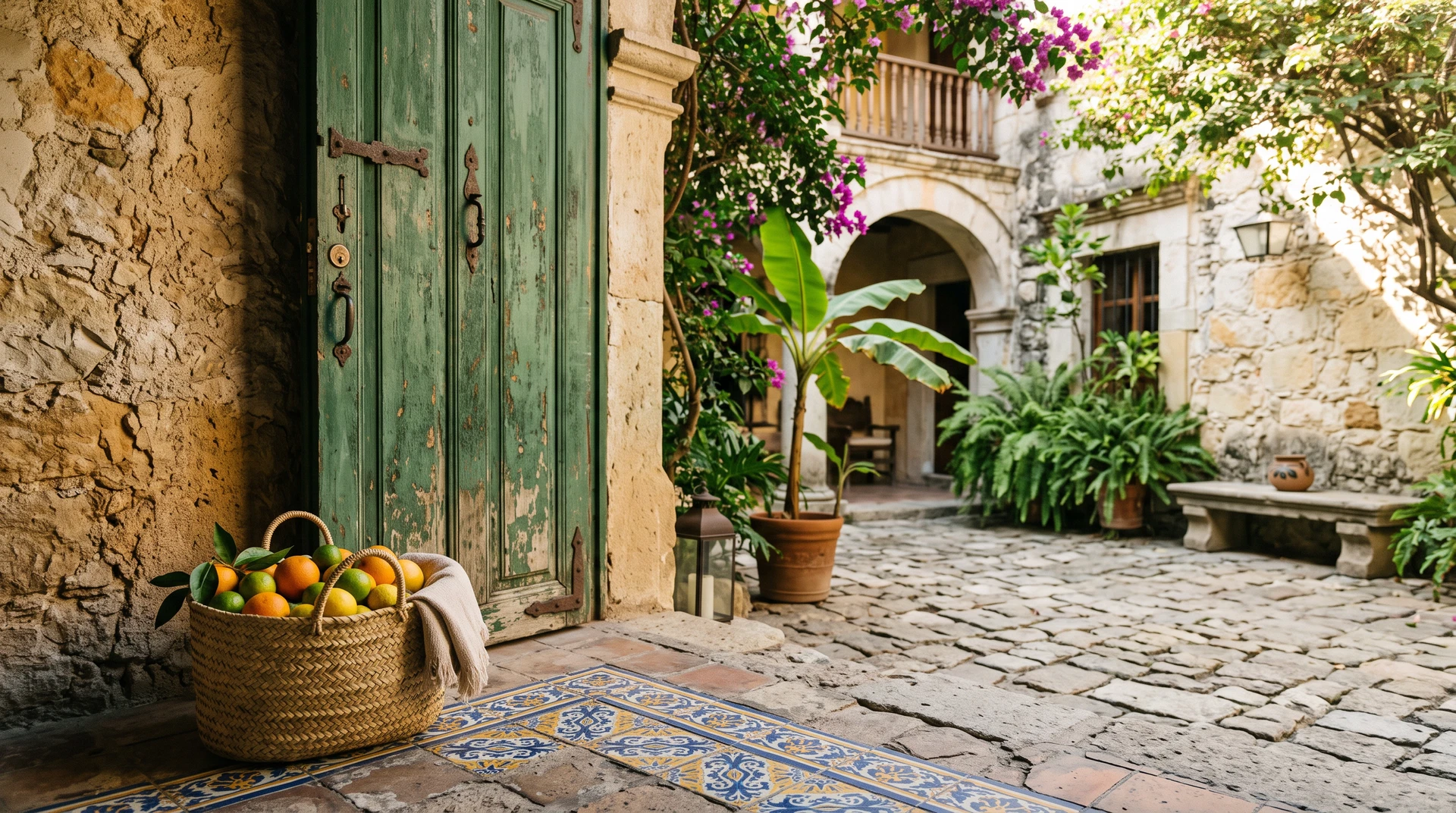
Oaxaca de Juárez does not merely reveal itself to the traveler; it radiates a quiet, emerald-hued permanence that feels pulled directly from the earth. Known as the Land of Seven Moles and the City of Green Cantera, this high-altitude sanctuary in the Sierra Madre del Sur is built from the very volcanic stone that once formed the foundations of Zapotec temples. As the sun dips below the jagged peaks of the valley, the city’s colonial facades—carved from this unique cantera verde—take on a soft, ethereal glow that seems to hold the day’s warmth long after the light has faded. Walking through the historic center, a UNESCO World Heritage site, one immediately senses a profound layering of time. Here, the rigid grid of Spanish urban planning is softened by the organic pulse of indigenous life, creating a destination where the ancient past is not a relic, but a living, breathing neighbor to the present.
To understand the city’s intimate heart, one must wander into the narrow, winding alleys of Jalatlaco and Xochimilco. These are Oaxaca’s oldest barrios, where the rush of the modern world is replaced by the rhythmic click of heels on weathered cobblestones. In Jalatlaco, every corner offers a visual dialogue between tradition and contemporary expression; sun-faded turquoise and deep indigo walls serve as canvases for vibrant murals that depict everything from Zapotec myths to the whimsical figures of the Day of the Dead. Magenta bougainvillea spills over wrought-iron balconies, casting intricate shadows across doorways that have stood for centuries. There is a specific stillness here at twilight, a moment when the smell of woodsmoke from a hidden kitchen mingles with the cool mountain air, grounding the visitor in a sense of place that is both profoundly Mexican and uniquely Oaxacan.
At the spiritual and architectural center of the city stands the Templo de Santo Domingo de Guzmán, a masterpiece of New Spanish Baroque that defies simple description. Its interior is a dizzying expanse of gold leaf and intricate plasterwork. Yet, the most profound connection to the Oaxacan soul lies just behind the church’s thick stone walls in the Jardín Etnobotánico. This curated landscape is a living library of the region’s biodiversity and Zapotec heritage. Home to over 900 species, including towering organ pipe cacti and prehistoric cycads, the garden occupies the site of a former monastery orchard. It serves as a silent witness to the dawn of agriculture in the Americas, where the earliest evidence of squash and corn domestication was found, reminding every visitor that the relationship between these people and their land is ten thousand years deep.
Rising nearly 400 meters above the valley floor, the ruins of Monte Albán offer a panoramic perspective on the Zapotec civilization’s former glory. Founded around 500 BC, this hilltop capital was one of the earliest cities in Mesoamerica, and its scale remains breathtaking. Standing on the massive ceremonial platforms of the Main Plaza, one can almost hear the echoes of the thousands who once gathered here for rituals and trade. As the mist rolls through the valley, obscuring the modern city below, Monte Albán feels like a bridge between worlds. The weathered stone carvings of the Danzantes and the silent tombs of Zapotec royalty provide a poignant contrast to the vibrant energy of the markets below, offering a space for quiet reflection on the rise and fall of empires.
The true lifeblood of Oaxaca flows through its markets, most notably the Mercado 20 de Noviembre. To enter this space is to surrender to a sensory deluge. The Pasillo de Humo, or Hall of Smoke, is a legendary corridor where the air is thick with the aroma of thinly sliced beef and spicy chorizo sizzling over charcoal grills. Here, the culinary identity of the region is laid bare: the seven moles—Negro, Rojo, Verde, Coloradito, Amarillo, Chichilo, and Manchamantel—are served with a reverence usually reserved for sacred texts. Each sauce is a complex alchemy of dozens of ingredients, including toasted chiles, nuts, spices, and local chocolate. Beyond the smoke, vendors offer stacks of tlayudas topped with lard, beans, and Oaxacan cheese, and baskets of crunchy chapulines seasoned with lime and garlic, a snack that has sustained the local population since pre-Hispanic times.
The city’s creative spirit extends far beyond its limits into the surrounding craft villages, where specialized trades have been passed down through generations. In Teotitlán del Valle, Zapotec weavers still use foot-pedal looms and natural dyes—derived from cochineal insects, indigo, and walnut husks—to create intricate wool rugs that tell stories of the sun, the rain, and the mountains. A few miles away, in San Bartolo Coyotepec, the earth itself is transformed into art. The village is famous for its barro negro, a unique black pottery that achieves its metallic sheen through a specialized firing and polishing process. And then there is mezcal, the elixir of the gods. In small palenques scattered throughout the valley, maestros mezcaleros harvest agave hearts, roasting them in underground pits and distilling the smoky liquid in copper stills. To sip mezcal in Oaxaca is to taste the smoke, the soil, and the patience of the desert.
Perhaps the most defining characteristic of Oaxaca is its communal joy, best expressed through the calendas. These spontaneous street processions are the heartbeat of the city’s celebrations, whether for a wedding or a festival. Led by a brass band and giant papier-mâché puppets known as monos, the calenda winds through the streets, inviting everyone to join the dance. Women in traditionally embroidered huipiles carry baskets of flowers on their heads, and the air is filled with the sound of firecrackers and laughter. This spirit of tequio—the Zapotec concept of communal labor—is what binds the city together. It is a resilience that has survived centuries of change, ensuring that despite the influx of global tourism, the soul of Oaxaca remains firmly rooted in its own traditions and the warmth of its people.
Leaving Oaxaca de Juárez often feels less like a departure and more like a reluctant waking from a sun-drenched dream. The city leaves its mark in subtle ways: the memory of the green cantera turning gold in the evening light, the lingering taste of a smoky mezcal, and the quiet dignity of the Zapotec ruins. It is a place that demands a slower pace, a willingness to get lost in its history and to listen to the stories told by its artisans and cooks. Oaxaca is not just a destination; it is a living museum of the human spirit, inviting all who visit to return and discover the layers of beauty still hidden beneath its emerald stones.