World city
The Art of the Paris Flâneur: A Journey Through Time and Texture
Beyond the iron lattice of the Eiffel Tower and the grand galleries of the Louvre lies a Paris of intimate canals, elevated gardens, and medieval shadows, where the simple act of wandering becomes a profound exploration of the city’s layered soul.
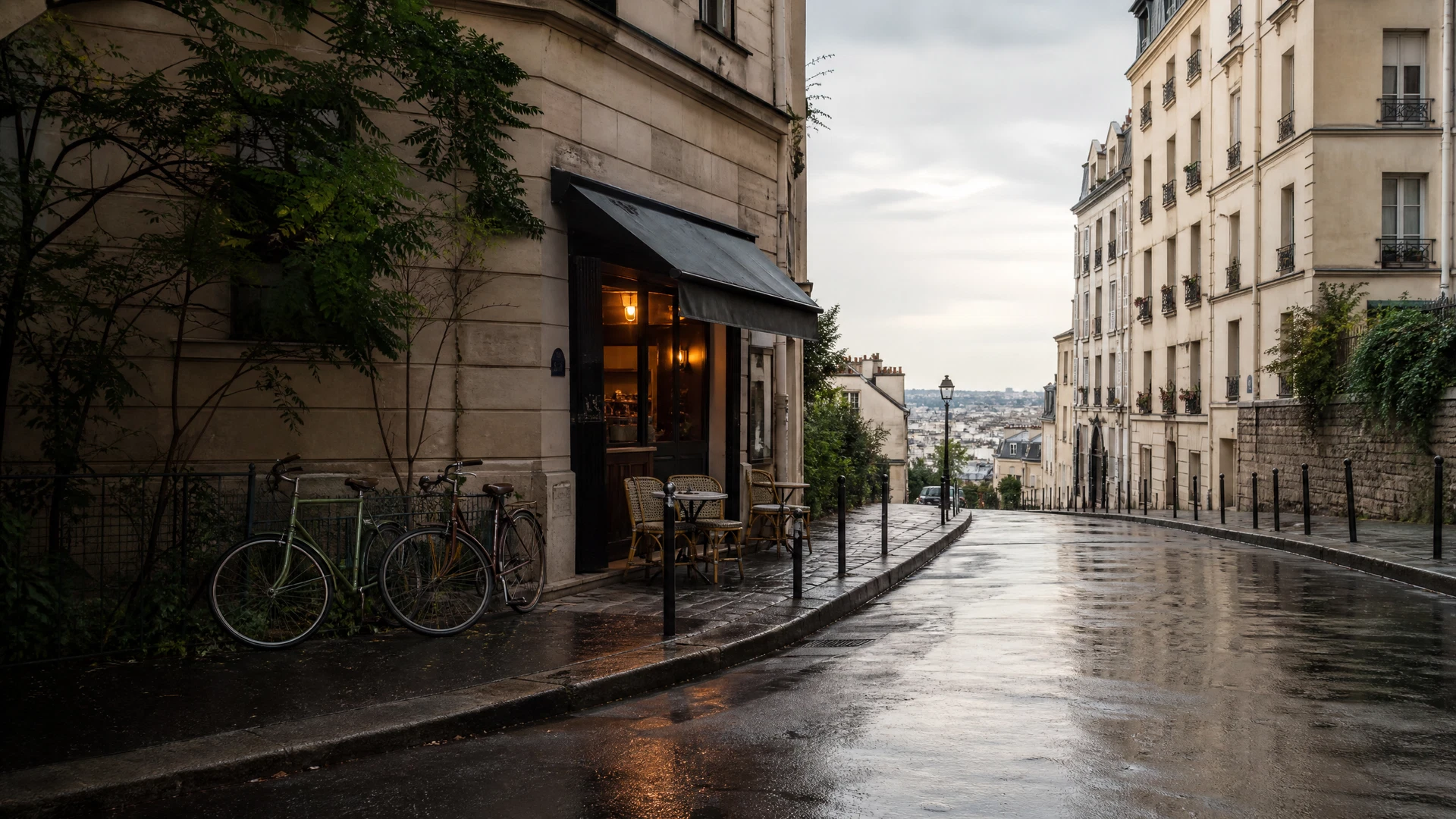
Paris is not merely a destination; it is a living museum that demands a specific engagement known as la flânerie. This art of aimless wandering, born from 19th-century urban transformations, invites visitors to step away from rigid itineraries and into the rhythmic pulse of the streets. As you traverse the city, you navigate a fascinating tension between Baron Haussmann’s grand boulevards and the intimate, hidden passages that survived from a medieval past. To be a flâneur is to observe the layers of history—the weathered limestone, the polished zinc of bistro counters, and the soft amber glow of streetlamps—without a fixed destination. It is in these unscripted moments, perhaps during a light evening drizzle in a narrow alley, that the true, wistful character of Paris is most deeply felt.
For a departure from the manicured Seine, the Canal Saint-Martin in the 10th arrondissement offers a moody, industrial-chic escape. Completed in 1825 under Napoleon I, the canal was designed to bring fresh water to a city plagued by disease and to facilitate the transport of goods. Today, its historic locks and arched iron footbridges serve as the backdrop for a vibrant local culture. On warm afternoons, the shaded quays are lined with Parisians enjoying picnics, their laughter echoing off stone walls as canal boats navigate the rise and fall of the water at the Recollets lock. The area retains a gritty yet romantic authenticity, where rusted 19th-century infrastructure meets the energy of independent bookstores and artisanal coffee shops.
Elevated above the 12th arrondissement, the Coulée verte René-Dumont provides a unique perspective on the Parisian landscape. Built upon the abandoned viaduct of the 19th-century Vincennes railway line, this 4.7-kilometer linear park was the world’s first elevated parkway. Walking along its path, rising ten meters above street level, one is immersed in a lush corridor of lime trees, climbing roses, and bamboo. The architectural details of the old railway—the red brick arches housing the artisan workshops of the Viaduc des Arts—are integrated into a botanical sanctuary that offers a quiet, green artery through the city. From this vantage point, Haussmannian rooftops appear in a new light, framed by seasonal shifts in the park’s flora.
To understand the city’s medieval footprint, one must explore the labyrinthine streets of Le Marais. Unlike much of Paris, which was rebuilt during the 19th century, the Marais preserves a dense concentration of pre-revolutionary architecture. This preservation is largely due to the 1964 Malraux Law, which protected the district’s extraordinary hôtels particuliers—grand private mansions built for the aristocracy in the 17th century. The Hôtel de Sully, with its ornate stone carvings and serene inner courtyards, stands as a prime example of the elegance that once defined this quarter. These buildings were designed to open inward, hiding their splendor from narrow cobblestone streets, and today they house prestigious museums and galleries.
Within the heart of the Marais lies the Pletzl, the historic Jewish quarter centered around the Rue des Rosiers. Here, the medieval scale of the city is most palpable, with narrow alleys that lean inward, crowded with artisan boutiques and traditional bakeries. The scent of freshly baked challah and the vibrant chatter of the street create a sensory bridge to the past, grounding the neighborhood in a heritage that has endured through centuries. The Pletzl is a reminder that Paris is a city of distinct villages, each with its own cultural layers. The continuity of life here—from historic synagogues to contemporary fashion houses—illustrates the city’s ability to honor its roots while remaining at the forefront of global style.
The grand, uniform aesthetic associated with Paris is the legacy of Baron Haussmann’s radical 19th-century transformation. By replacing cramped medieval alleys with wide, tree-lined boulevards and imposing limestone facades, Haussmann created a sense of monumental order that still dictates the city’s urban identity. This Haussmannian style, characterized by strict regulations and rhythmic balconies, was intended to improve circulation and sanitation. However, it also created the conditions that allowed la flânerie to flourish. The grand perspectives and public parks he established invited Parisians to see their city as a stage for social interaction and observation. This philosophical shift transformed the urban experience from disconnected enclaves into a cohesive, breathable metropolis where walking became a form of civic engagement and aesthetic pleasure.
For the modern visitor, navigating this complex urban tapestry requires both strategic planning and a willingness to be led astray. The shoulder seasons of May and June, or the crisp months of September and October, offer the most atmospheric light and temperate weather for exploration. The Navigo Découverte pass is an essential tool, providing seamless access to the extensive Metro, RER, and bus networks. Notably, Metro service is extended until nearly two in the morning on Friday and Saturday nights, catering to the late-night energy of the city’s bars and bistros. Whether taking the iconic Line 6 for a view of the Eiffel Tower or descending into the tiled depths of a historic station, the transport system is more than just a way to travel; it is a vital part of the Parisian experience.
Ultimately, the beauty of Paris lies in its ability to be both monumental and intimate, rewarding the patient observer with hidden courtyards and sudden, breathtaking vistas. As evening light fades and a light rain begins to fall, the city takes on a wistful, cinematic quality. The reflection of a warm bistro glow in a wet cobblestone street, a solitary figure crossing an iron bridge, and the rustle of leaves in an elevated garden all contribute to a sense of timelessness. Paris is a city that does not erase its scars but integrates them into a rich, textured narrative of resilience and beauty. To walk its streets is to participate in a centuries-old dialogue between the past and the future.