World city
The Sandstone Sentinel and the Salt-Sprayed Soul of the Mother City
Resting at the rugged convergence of two oceans, Cape Town reveals itself not as a singular destination but as a layered tapestry of resilient heritage and avant-garde energy, where the looming shadow of Table Mountain anchors a city forever navigating the currents of its complex past and a design-forward future.
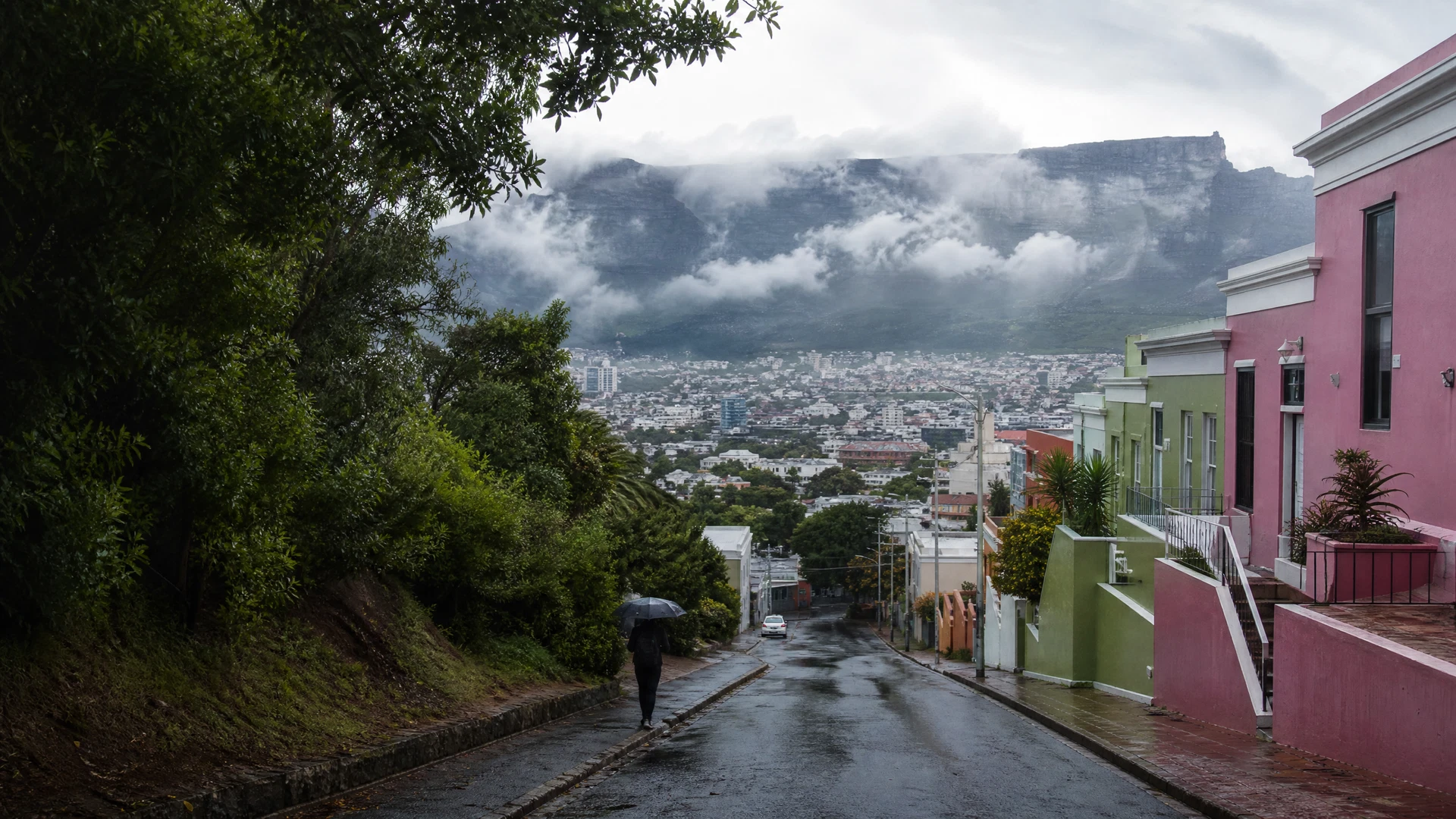
To arrive in Cape Town is to be immediately confronted by the overwhelming physical presence of the sandstone plateau that dominates the horizon. Table Mountain is not merely a backdrop; it is the city’s silent, stoic sentinel, a geological anchor that dictates the rhythm of life below. When the 'tablecloth' of clouds spills over its flat summit, the air turns crisp and the city seems to huddle closer to the earth, acknowledging the raw power of the elements. This dramatic landscape, where the sheer cliffs meet the churning Atlantic, creates a sense of atmospheric isolation, as if the city is a world unto itself at the very edge of the African continent. The mountain’s ancient face, weathered by millennia of wind and salt, serves as a constant reminder of the enduring nature of this place, standing firm while the urban sprawl beneath it continues to evolve and reinvent itself with restless energy.
Descending from the mountain’s shadow, one finds the heart of the Bo-Kaap, a district that feels like a living canvas of history. Here, steep cobblestone streets are lined with houses painted in an exuberant palette of lime green, electric blue, and orange, a visual celebration of identity. The air is thick with the scent of cumin and coriander, drifting from kitchens where traditional Cape Malay recipes have been passed down through generations. This neighborhood is the cultural soul of the city, grounded in the legacy of artisans and exiles who brought their skills from the East. To walk these streets is to experience a profound sense of community, where the call to prayer from local mosques mingles with the laughter of children, creating a sensory tapestry that is both deeply rooted and beautifully ephemeral.
The resilience of the 'Mother City' is poignantly felt within the District Six Museum, a space dedicated to the memory of a community forcibly removed during apartheid. The museum preserves the lived experiences of those displaced, turning a site of trauma into a sanctuary of remembrance. Through personal photographs and a floor map where former residents marked their homes, the museum captures the wistful longing for a lost neighborhood while celebrating the spirit of those who refuse to be forgotten. This complex history is the foundation of modern Cape Town, a reminder that the city’s beauty is linked to its scars. The moniker 'Mother City' thus reflects a place that nurtured its people through darkness and emerged with a defiant, multicultural pride.
As the city moves toward the future, the creative hub of Woodstock offers a glimpse into its industrial-turned-artistic evolution. Once a gritty manufacturing district, Woodstock has transformed into a center for artisanal design and street art. The Old Biscuit Mill, with its weathered brickwork and soaring chimneys, now serves as a focal point for the city’s creative energy, housing workshops where local makers craft everything from bespoke furniture to fashion. The walls of the surrounding streets are covered in murals that serve as vibrant social commentaries, reflecting the city’s ongoing dialogue about identity and progress. This neighborhood is a testament to the power of adaptive reuse, where the textures of the past provide an authentic canvas for the innovations of the present, creating a space where the industrial heritage is celebrated as part of a new, dynamic narrative.
This design-forward energy reaches its zenith at the V&A Waterfront, where the transformation of historic grain silos into the Zeitz MOCAA has created a global landmark for contemporary African art. The museum’s architecture is a marvel, with original concrete cylinders carved into a soaring, cathedral-like atrium that feels both ancient and futuristic. Inside, galleries showcase the diverse voices of artists from across the continent, providing a platform for stories often marginalized in the global art world. The museum stands as a symbol of Cape Town’s ambition, balancing the commercial hum of the waterfront with profound artistic reflection. It is a place where the weight of the industrial past is lightened by the beauty of the art it now contains, bridging the gap between utilitarian roots and a sophisticated future.
Traveling further south along the coast, the working harbor of Kalk Bay offers a more intimate and wistful contrast to the city’s urban core. Here, the rhythm of life is dictated by the tides and the arrival of the brightly painted wooden fishing boats that have braved the Atlantic’s swells. Fur seals lounge lazily on the pier, untroubled by the activity of the fishermen unloading their catch, while the Victorian-era storefronts along the main road house an eclectic mix of antique shops, independent bookstores, and cozy cafes. Kalk Bay is a place where time seems to slow down, allowing for a quieter contemplation of the city’s maritime heritage. The salt-crusted air and the sound of waves crashing against the harbor wall create an atmosphere of rugged romance, a reminder of the simple, enduring connection between the people of the Cape and the sea that sustains them.
The raw power of nature is never far away, most notably manifested in the 'Cape Doctor'—the fierce south-easterly wind that sweeps through the city, clearing the air of pollution but also shutting down the mountain cableways and whipping the ocean into a frenzy. These rapid micro-climate shifts are a fundamental part of the Cape Town experience, where a sunny morning can quickly give way to a dramatic descent of clouds and a significant drop in temperature. The city’s inhabitants have learned to live in harmony with these temperamental elements, developing a resilience that mirrors the rugged landscape. This unpredictability adds a layer of drama to the city, ensuring that no two days are ever quite the same. It is a place where the environment is not something to be conquered, but something to be respected and embraced, contributing to the city’s sense of wild, untamed beauty.
As the day draws to a close, there is no better place to reflect on the soul of the Mother City than the Sea Point Promenade. Here, the wide walkway follows the curve of the Atlantic, providing a space for people to gather and witness the spectacle of the sunset. During the 'blue hour,' the sky turns a deep, moody indigo, and the churning waves catch the fading light in a rhythmic dance of spray and foam. The distinctive peak of Lion’s Head often stands partially veiled by a soft, low-hanging mist, adding to the sense of scale and atmospheric isolation. To stand at the edge of the promenade, looking out toward the horizon where the oceans meet, is to feel the profound weight and beauty of this place. Cape Town is a city of transitions, where the ancient and the modern, the tragic and the triumphant, all coexist in a delicate, salt-sprayed balance at the very tip of the world.