Urban life
The public bench is returning as a serious piece of city infrastructure.
Once viewed as a simple resting spot, the public bench is being reimagined as a sophisticated technological node that integrates solar power, environmental sensors, and digital connectivity into the very fabric of modern urban life.
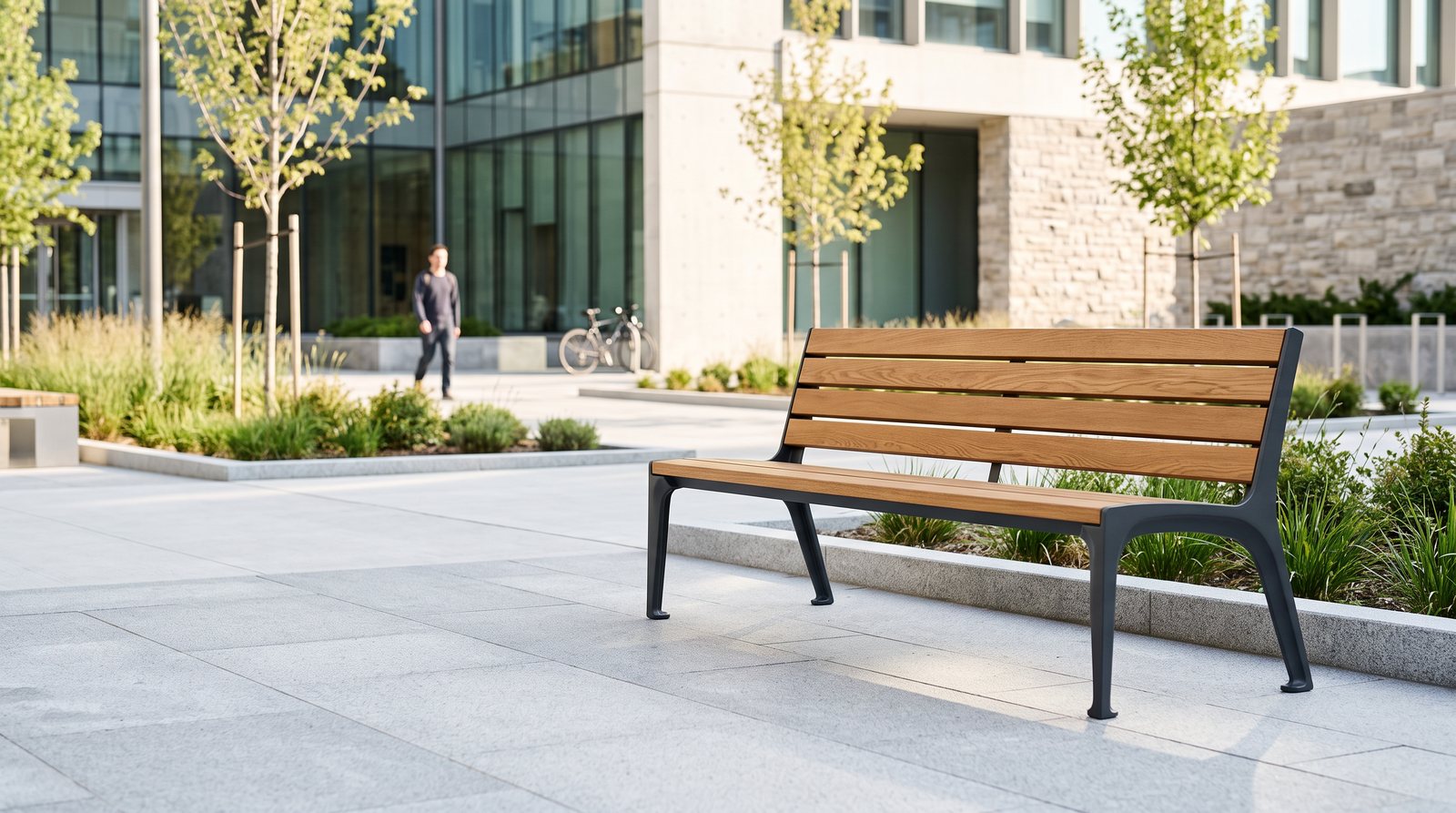
For decades, the humble public bench was often treated as an afterthought in city planning or, worse, designed to discourage use through hostile architecture. Today, urban designers are reversing this trend, elevating the bench to a critical piece of social infrastructure. This shift recognizes that accessible seating is not just a convenience but a fundamental requirement for vibrant, livable, and inclusive public spaces. By prioritizing the placement and quality of seating, cities are acknowledging that the ability to rest is a prerequisite for a healthy public realm. The bench is no longer merely a piece of street furniture; it has become a primary tool for reclaiming the urban environment for the people who inhabit it, moving away from a model that prioritizes the efficiency of movement over the quality of stay.
Modern benches are increasingly functioning as self-sustaining power stations within the urban grid. Equipped with integrated solar panels, these smart units provide carbon-neutral energy to support wireless device charging and public Wi-Fi hotspots. By offering these essential digital services for free, the city bench bridges the digital divide and transforms a stationary object into a dynamic utility for the mobile, modern citizen. This integration of technology ensures that the bench remains relevant in an age where connectivity is as essential as electricity. The bench becomes a destination in itself, a place where the digital and physical worlds intersect, allowing users to remain connected to their professional and personal networks while still participating in the shared life of the street.
Beyond providing a place to sit, these new installations serve as vital data hubs for smart city management. Embedded sensors can monitor local air quality, noise levels, and pedestrian traffic in real-time, feeding valuable information back to urban planners. This allows cities to make data-driven decisions about environmental health and resource allocation, turning every street corner into a diagnostic tool for the community. The bench acts as a silent observer, gathering granular data that was previously difficult or expensive to obtain. This information can be used to identify pollution hotspots, manage overcrowding, and even track the impact of new urban policies. By turning seating into a sensing network, cities can respond more effectively to the needs of their residents, creating a more responsive and adaptive urban environment.
The return of the bench also signals a renewed focus on social infrastructure, a concept that highlights how physical spaces shape human interaction. By providing a neutral ground for spontaneous conversation and observation, benches act as the glue for neighborhood cohesion. They offer a rare opportunity for residents to pause and engage with their surroundings, combating the growing epidemic of urban social isolation. In a world that is increasingly mediated by screens, the bench provides a tangible space for face-to-face encounters. It is a place where strangers can become neighbors, where the elderly can watch the world go by, and where parents can rest while their children play. The bench fosters a sense of belonging and community, reminding us that the city is not just a collection of buildings but a network of human relationships.
Inclusive design is at the heart of this infrastructure revival, ensuring that seating accommodates diverse physical needs. New standards prioritize ergonomic support, armrests for easier standing, and dedicated space for wheelchairs or strollers alongside traditional seating. By removing barriers to comfort, cities are signaling that their public realms are truly open to everyone, regardless of age, mobility, or socio-economic status. This commitment to inclusivity extends beyond the physical form of the bench to its placement within the city. Benches are being located in areas that were previously neglected, ensuring that all residents have access to high-quality public space. By designing for the most vulnerable members of society, urban planners are creating an environment that is better for everyone, fostering a culture of care and respect in the public domain.
As cities strive to become more walkable, the public bench has emerged as a key supporter of active mobility. For the elderly or those with chronic health conditions, the availability of frequent resting points is the deciding factor in whether they can navigate the city on foot. These benches act as essential service stations, extending the range of pedestrians and reducing reliance on motorized transport. The presence of a bench can transform a daunting journey into a manageable series of short walks, encouraging people to stay active and engaged with their community. This shift toward walkability has significant benefits for public health, air quality, and social equity. By providing the infrastructure for rest, cities are enabling a more sustainable and healthy mode of transportation, proving that the bench is a vital component of a modern, efficient transit network.
Sustainability is also driving the material choices for new urban seating, with many designs utilizing recycled plastics, reclaimed wood, or low-carbon concrete. These durable materials are built to withstand heavy use and harsh weather while minimizing the environmental footprint of city maintenance. When combined with solar lighting for safety, these benches represent a long-term investment in both the ecological and social health of the street. The use of circular materials not only reduces waste but also provides a visible example of sustainable design in the public realm. These benches serve as a reminder that even the most mundane objects can be designed with environmental responsibility in mind. By choosing materials that are both resilient and renewable, cities are building a public infrastructure that will last for generations, contributing to a more sustainable and resilient urban future.
Ultimately, the reintegration of the bench into the urban core reflects a broader movement toward human-centric city design. By treating seating as a serious infrastructure priority rather than a luxury, planners are reclaiming the street for people rather than just vehicles. The modern bench is no longer just a place to wait; it is a symbol of a city that values rest, connection, and community. This evolution from a simple seat to a technological and social node demonstrates the potential of urban design to enhance the quality of daily life. As we look to the future, the bench will continue to play a vital role in shaping our cities, providing a space for pause, a node for connection, and a platform for community life. It is a testament to the enduring power of simple, well-designed objects to make our cities more humane, inclusive, and livable.