Makers
The best small workshops are building tools that invite repair.
In an era of sealed electronics and disposable utility, a new generation of small-scale workshops is returning to the fundamental promise of the tool: an object that is not only built to last but designed to be understood and maintained by its owner.
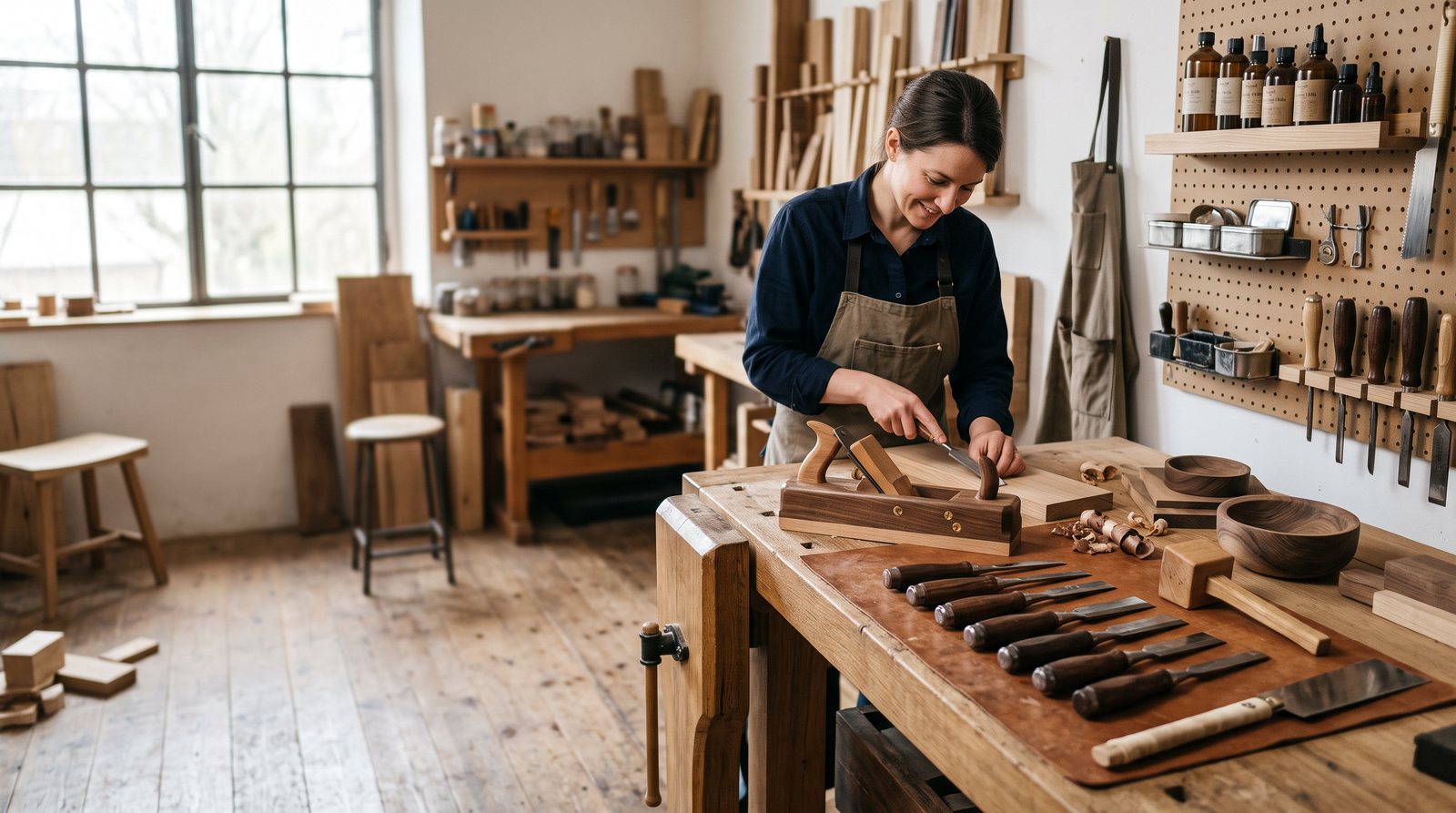
The quiet resurgence of the small-scale workshop is a deliberate response to the increasing opacity of modern manufacturing. For decades, consumer goods have moved toward the hermetically sealed and the intentionally fragile, where internal workings are treated as proprietary secrets. In contrast, the makers currently gaining traction in the specialized tool market are operating under a different set of assumptions. They are building objects that do not hide their complexity behind glued plastic or tamper-resistant screws. Instead, these workshops produce tools that function as an open invitation to the user, suggesting through their very form that they can be taken apart, cleaned, and eventually repaired. This shift represents a fundamental realignment of the relationship between the maker, the object, and the person who relies upon it for their daily work.
At the heart of this movement is a design philosophy that prioritizes transparency over aesthetic minimalism. While a sealed, seamless surface might appear sophisticated, it often signals a dead end for the life of a product. The best small workshops reject this "black box" approach in favor of visible fasteners and modular architecture. When a tool is held together by exposed brass bolts or stainless steel pins, it communicates a specific kind of trust. It tells the owner that the maker has nothing to hide and that the tool’s continued function is a shared responsibility. This transparency is not just a functional choice; it is an editorial stance against the culture of disposability, empowering users to become active participants in the maintenance of their own equipment.
The choice of materials in these workshops is equally significant, moving away from short-lived synthetic composites toward metals and hardwoods that possess a capacity for renewal. A tool made from solid brass or high-carbon steel does not just endure; it develops a patina that records its history of use while remaining structurally sound. Unlike plastic, which degrades into brittle fragments, these traditional materials can be polished, ground, or refinished multiple times over the course of a century. This focus on materiality is a practical hedge against obsolescence. When a component wears down, it can be replaced or machined back to its original tolerances because the base material allows for such interventions, providing a physical substrate capable of holding value across generations.
This "invitation to repair" extends beyond the physical hardware and into the documentation provided by the makers. In successful small workshops, the sale of a tool is often accompanied by exploded-view diagrams, maintenance schedules, and the specific dimensions required to fabricate replacement parts. This level of openness was once standard in industrial manufacturing but has become a radical act in the contemporary market. By providing the information necessary for repair, these workshops acknowledge that their work will eventually encounter the friction of reality. They accept that blades will dull and springs will lose their tension. Rather than viewing these events as the end of a tool's utility, they treat them as predictable milestones in a long-term service life.
The economic model supporting these workshops is distinct from the high-volume, low-margin approach of global retail. Because these tools are designed for longevity, they are necessarily more expensive to produce. However, this initial cost is offset by the elimination of the replacement cycle. A woodworker who invests in a hand-planed tool from a boutique maker is opting out of a system that requires them to buy a new, inferior version every few years. This shift toward "slow tools" mirrors the broader cultural interest in sustainable consumption and artisanal quality. The workshops that thrive in this space are those that can articulate the long-term value of their craft, convincing a discerning audience that a higher upfront investment in a repairable object is a sensible choice.
There is a profound psychological shift that occurs when a person successfully repairs a tool they use every day. In a world where most technology is mediated by interfaces we cannot change, the act of disassembling a mechanical object and restoring it to function is deeply grounding. It reinforces a sense of agency that is often eroded by the convenience of modern life. Small workshops are tapping into this desire for connection, creating tools that reward the user's attention. When a marking gauge is adjusted with a satisfying click of a brass thumb-screw, the user is not just preparing for a task; they are engaging in a ritual of stewardship. This connection to the tool enhances the quality of the work produced, as the instrument becomes an extension of intent.
The role of publications like "Handwork" and authors like Ola Keene is to document this return to sensible manufacturing. By highlighting the stories of these workshops, they provide a counter-narrative to the belief that progress must always mean more complexity and less user control. The best small workshops prove it is possible to integrate modern precision with traditional repairability. They use computer-controlled machining to achieve tolerances that were once impossible, but apply that precision to designs that remain human-scaled and understandable. This synthesis of high-tech production and low-tech maintenance represents a viable path forward for a more sustainable material culture, where the tools we use are as durable and transparent as the intentions we bring to our work.
Ultimately, the enduring appeal of a tool that invites repair lies in its honesty. It does not pretend to be immortal, nor does it hide its flaws behind a sleek, impenetrable facade. It is a humble, hardworking object that acknowledges the reality of wear and the necessity of care. In the hands of a skilled maker, such a tool becomes more than just a means to an end; it becomes a partner in the creative process, a reliable witness to years of labor and learning. The best small workshops understand this bond and honor it by building tools that are worthy of the time it takes to maintain them. In doing so, they preserve not just a set of mechanical skills, but a way of being in the world that values longevity and transparency.