Fashion
Repair is quietly reshaping the way clothes earn their place.
The shift from disposable fashion to a culture of maintenance is redefining garment value, as visible mending and technical literacy turn the act of repair into a sophisticated design choice and a radical form of environmental stewardship.
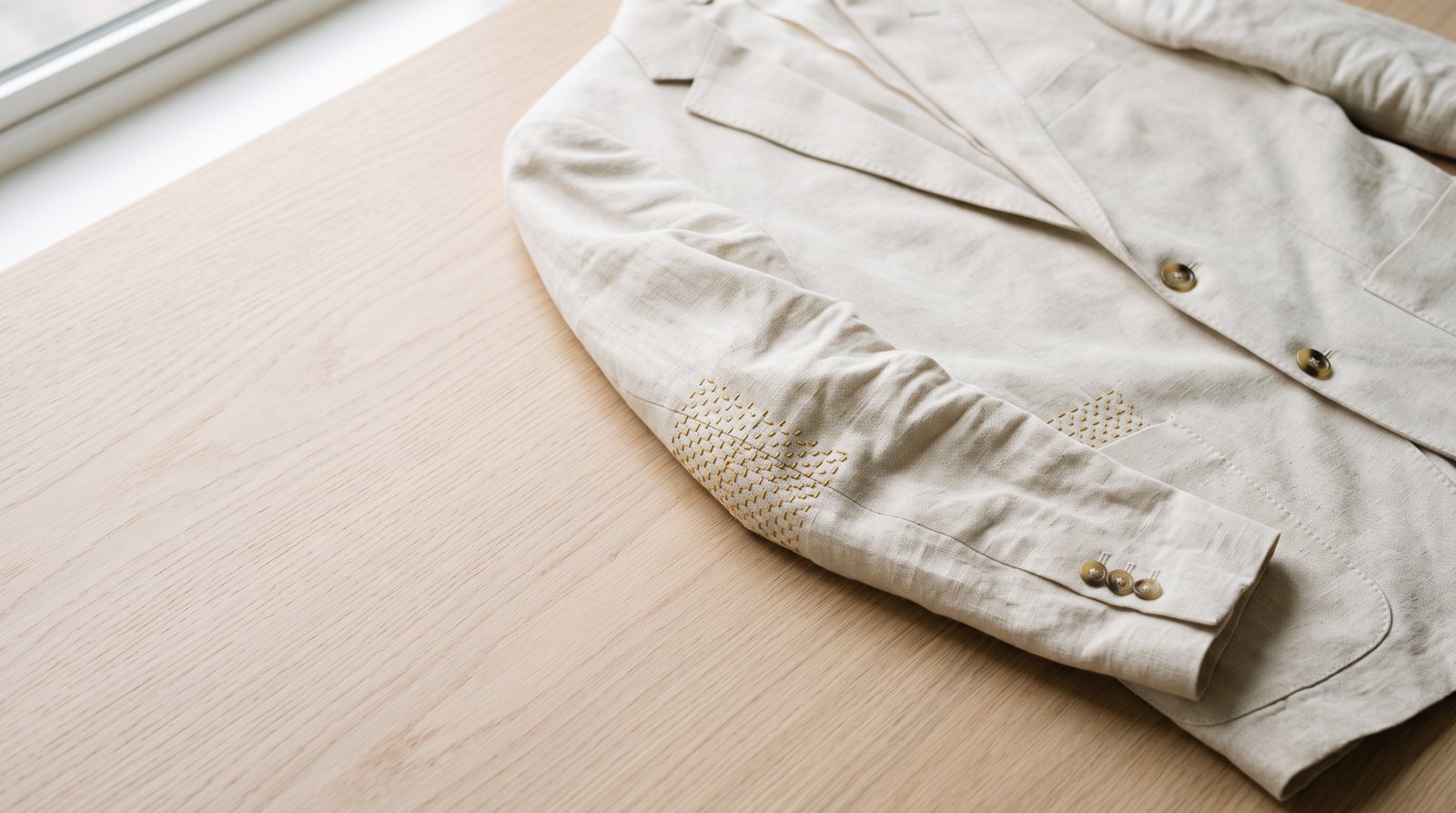
The modern wardrobe has long been defined by the speed of its turnover, a cycle of acquisition and disposal that treats garments as temporary occupants of a closet. However, a quiet shift is occurring in the way people perceive the value of their clothing, moving away from the relentless pursuit of the new toward a more considered appreciation of the old. Instead of viewing a tear or a worn seam as the end of a garment’s utility, a growing movement is positioning repair as a deliberate act of stewardship. This transition is not merely about frugality; it is a fundamental re-evaluation of what it means for a piece of clothing to earn its place. In this new paradigm, the history of a garment—marked by the interventions that keep it wearable—becomes a source of character rather than a sign of neglect. The practice of repair is moving from the fringes of domestic chores into the center of a sophisticated fashion discourse, where longevity is prized over the novelty of a replacement.
Central to this movement is the rise of visible mending, a technique that celebrates the repair rather than attempting to hide it. Borrowing from traditions such as Japanese sashiko, practitioners use contrasting threads and bold stitching to highlight the site of a mend, turning what was once a flaw into a focal point of the design. This approach transforms a standard mass-produced item into a unique artifact, one that carries the literal fingerprints of its maintenance. By making the repair visible, the owner acknowledges the labor and care required to maintain the garment, rejecting the sanitized perfection of the showroom floor. This aesthetic choice suggests that a garment is a living object that evolves over time. The geometry of a darned sock or the rhythmic patterns of a patched denim jacket serve as a visual record of the garment’s endurance, elevating the act of maintenance to a form of personal expression and design innovation.
The psychological impact of repairing one's clothes is profound, altering the relationship between the wearer and the worn. When an individual spends time mending a sleeve or reinforcing a buttonhole, they develop a deeper intimacy with the material and construction of the item. This process fosters a sense of agency and competence, countering the passive consumerism that characterizes much of modern fashion. A repaired garment is no longer just a commodity; it is a partner in the wearer’s daily life, one that has been cared for through deliberate effort. This investment of time creates an emotional durability that often exceeds the physical durability of the fabric itself, making the item irreplaceable. As people learn to identify the specific weaves and weights of their clothes, they become more discerning about what they bring into their lives, favoring quality and repairability over the fleeting appeal of the trend-driven market.
The resurgence of repair is also driving a renewed interest in textile literacy and technical skills that were once commonplace. Workshops, online tutorials, and community repair cafés are providing the infrastructure for people to relearn the art of the needle and thread. Understanding how a garment is put together—the tension of a seam, the direction of a grain, the behavior of different fibers—is essential for effective repair. This knowledge empowers consumers to demand better construction from brands, as they become aware of the shortcuts taken in fast-fashion manufacturing. The ability to distinguish between a garment built to last and one designed for obsolescence is a critical component of the movement. As these skills proliferate, the barrier to entry for maintenance lowers, making it possible for more people to participate in the preservation of their wardrobes.
Recognizing the shifting tide, a segment of the fashion industry is beginning to integrate repair services into their business models. Some high-end and heritage brands have long offered lifetime repairs, but this practice is now expanding to more accessible labels. By providing professional mending services, these companies are signaling that they stand behind the quality of their products and value their long-term presence in the customer’s life. This shift represents a move away from a volume-based sales model toward one that prioritizes brand loyalty and long-term service. It also challenges the traditional retail cycle, suggesting that the point of sale is the beginning of a relationship rather than its conclusion. For these brands, repair is a core component of their identity, aligning with a growing consumer demand for transparency, sustainability, and authentic value.
The environmental implications of the repair movement are significant, offering a practical solution to the staggering amount of textile waste generated globally. Extending the life of a garment by even a few months can substantially reduce its carbon, water, and waste footprint. In a world where millions of tons of clothing are discarded annually, the act of mending is a radical form of conservation. Economically, the repair movement supports a localized ecosystem of tailors, cobblers, and craftspeople, keeping wealth within communities and preserving specialized trades. It also encourages a "buy less, buy better" philosophy, which is essential for a more sustainable and equitable global economy. The focus on maintenance and longevity provides a counter-narrative to the extractive practices of the global garment trade, proposing instead a circular approach where the value of an item is maintained through continuous care.
Ultimately, the quiet reshaping of fashion through repair is about the criteria we use to judge the things we own. A garment earns its place in a wardrobe not through the prestige of its label or the initial cost of its purchase, but through its ability to endure and remain useful over time. A well-worn, well-mended coat carries a narrative of resilience and care that a new one simply cannot replicate. This philosophy suggests that the most stylish thing one can wear is something that has been kept, cared for, and understood. As the repair movement continues to grow, it is likely to influence everything from textile design to urban planning, as we make more room for the tools and spaces required for maintenance. In this context, repair is not a sign of lack, but a sign of abundance—an abundance of skill, care, and respect for the materials that clothe us.