Public design
The signs that make a city easier to read are becoming works of care.
Urban wayfinding is evolving from simple utility into a sophisticated discipline of public care, prioritizing accessibility and human dignity to transform complex metropolitan environments into legible, welcoming homes for every resident and visitor.
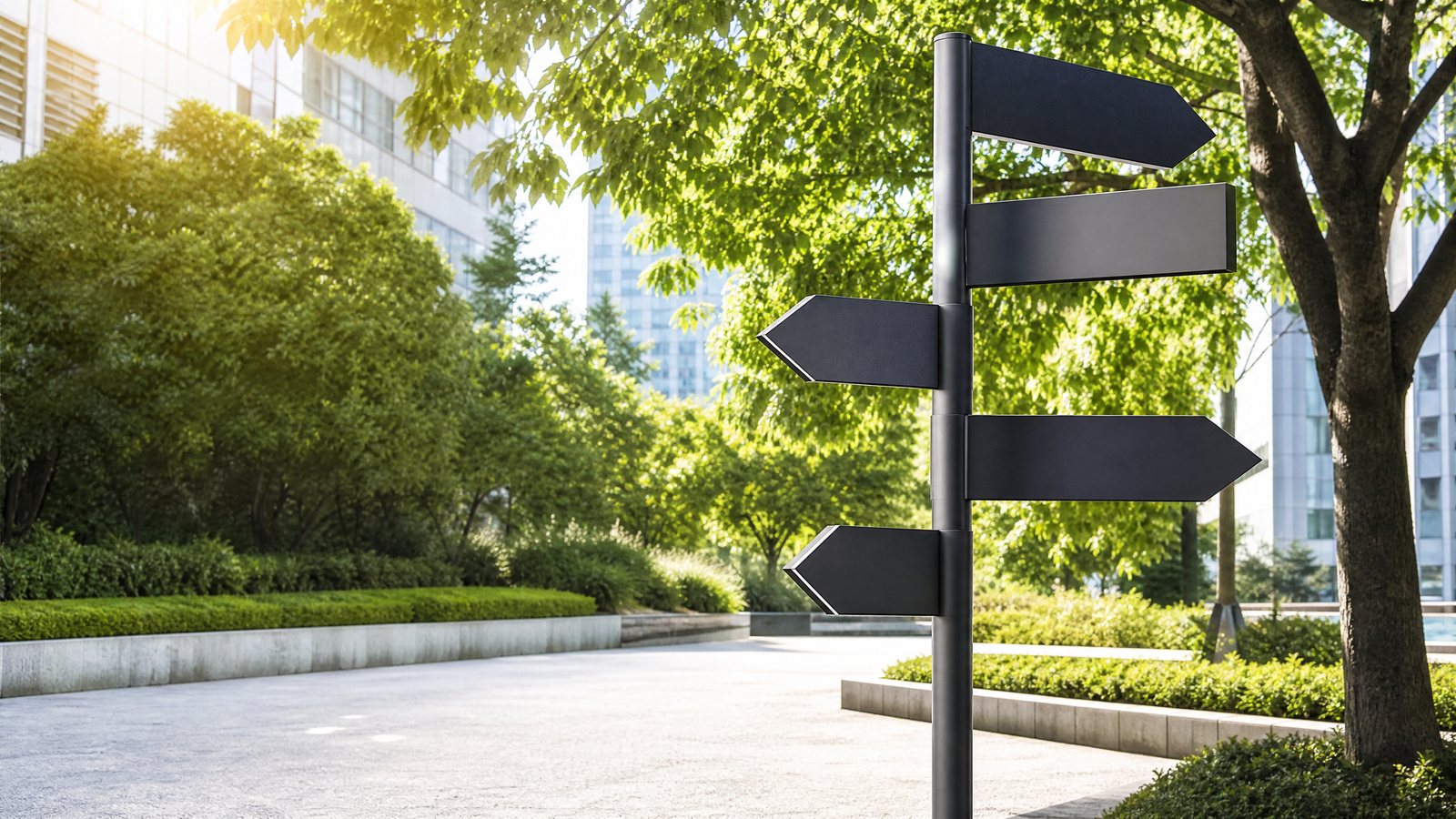
The modern city’s evolution is often measured in infrastructure, yet its most profound changes occur in the quiet details of its public interface. For decades, urban wayfinding was a purely functional necessity—utilitarian markers designed to shuttle bodies through efficient corridors of transit. This traditional approach viewed the city as a cold grid where directional efficiency was the only metric of success. However, a new paradigm is emerging among designers that shifts the focus from simple utility toward empathetic care. In this view, signage is a vital tool of civic inclusion that acknowledges the emotional state of the traveler. By prioritizing clarity and welcoming visual cues, modern wayfinding reduces the ambient anxiety of the urban experience, transforming a potentially hostile environment into one that feels navigable, safe, and profoundly human.
A legible city allows inhabitants to build reliable mental maps without constant reliance on digital screens or external devices. This sense of cognitive ease is a deliberate result of careful information hierarchies and the strategic placement of visual landmarks. When public design prioritizes legibility, the urban environment ceases to be a chaotic obstacle and becomes a coherent, shared space that invites exploration. This clarity is essential for fostering agency among citizens, providing the foundation for independent movement and spontaneous discovery. By reducing the mental effort required to decode the street, designers allow residents to engage more deeply with the culture of their neighborhood. Ultimately, this reinforces the idea that the city is a place where one can truly belong rather than just a space through which one must pass.
Inclusive design serves as the ethical cornerstone of this era of public care, ensuring that the right to navigate the city is extended to every individual regardless of sensory or physical capabilities. This commitment goes beyond basic building codes, integrating tactile maps, braille lettering, and high-contrast color palettes that assist those with visual impairments. These features are not treated as secondary additions but are embedded directly into the fabric of the urban landscape as primary design elements. By normalizing these inclusive markers, designers create a public realm that respects the autonomy and dignity of all citizens. This approach recognizes that a city’s maturity is reflected in how it accommodates its most vulnerable members, turning the act of wayfinding into a profound statement of social equality and shared respect.
The materiality and lighting of urban signage play a critical role in how a city communicates its identity and concern for public safety. In an era where digital information is often fleeting, the permanence of physical signage offers a stabilizing presence. The use of reflective surfaces and backlit panels ensures that essential information remains accessible even during challenging conditions, from winter storms to the confusing shadows of late night. These practical considerations transform a simple signpost into a reliable beacon, offering a constant sense of security to those navigating the streets after dark. Furthermore, the choice of durable, high-quality materials suggests a commitment to the long-term health of the public realm, indicating that the city’s care for its residents is a foundational value built to last through the seasons.
Effective wayfinding systems minimize the cognitive load on pedestrians by presenting information only at the precise moment it is required. This disciplined approach to information architecture prevents the visual clutter that often plagues metropolitan centers, allowing users to focus on their immediate environment while feeling guided by an invisible hand. By streamlining the flow of information at critical decision points—such as the transition from a subway platform to a busy street—designers manage the friction of urban movement. This thoughtful sequencing ensures that the traveler is never overwhelmed by choices, facilitating a smooth journey through the most complex transit hubs. In this way, the architecture of information becomes as important as the physical architecture of the city itself, creating a seamless experience that feels natural and unforced.
Beyond technical aspects, the physical placement of signage is being reconsidered to accommodate a diverse range of viewing heights and perspectives. Traditional signage often catered to a narrow demographic, but modern works of care are positioned to be visible to children, wheelchair users, and individuals in dense crowds. This shift in perspective ensures that the city’s collective voice is audible to everyone, regardless of their physical stature. By diversifying the angles of approach, designers reinforce the idea that public spaces are truly common property. This democratic approach to visibility ensures that no one is excluded from the conversation the city has with its inhabitants. The urban landscape thus becomes a more generous environment for every person who walks, rolls, or stands upon its pavement, reflecting a commitment to universal access.
Wayfinding also serves as a subtle form of urban storytelling, highlighting the unique character and history of different neighborhoods through deliberate aesthetic choices. Through the use of local materials, significant typefaces, or culturally resonant color schemes, signs foster a deeper emotional connection between people and the places they inhabit. This integration of local identity transforms navigation from a functional chore into a process of cultural discovery and civic pride. When a sign reflects the textures of its surroundings, it ceases to be an alien object and becomes an organic part of the neighborhood’s narrative. This attention to detail makes the city feel more intimate and legible, grounding the resident in a sense of place that is both historically informed and contemporary, turning every journey into an encounter with local heritage.
As metropolitan centers grow, the commitment to inclusive and caring public design becomes a fundamental measure of urban health. Signs that are easy to read and generous in their reach are not merely functional requirements; they are physical manifestations of a society that values the well-being of its members. Investing in these sophisticated works of care ensures that the city remains an open, accessible home for all citizens, regardless of background or ability. The goal of urban wayfinding is to render the complexity of the metropolis comprehensible through the patient application of good design. In doing so, we ensure that the city remains a place of connection, where every signpost is a reminder that the public realm is a space designed for everyone to share and enjoy.