Learn
The Softest Room in the City
A room tuned for the nervous system reveals an awkward truth: calm is not bought with silence alone, but with permission to take up less performance.
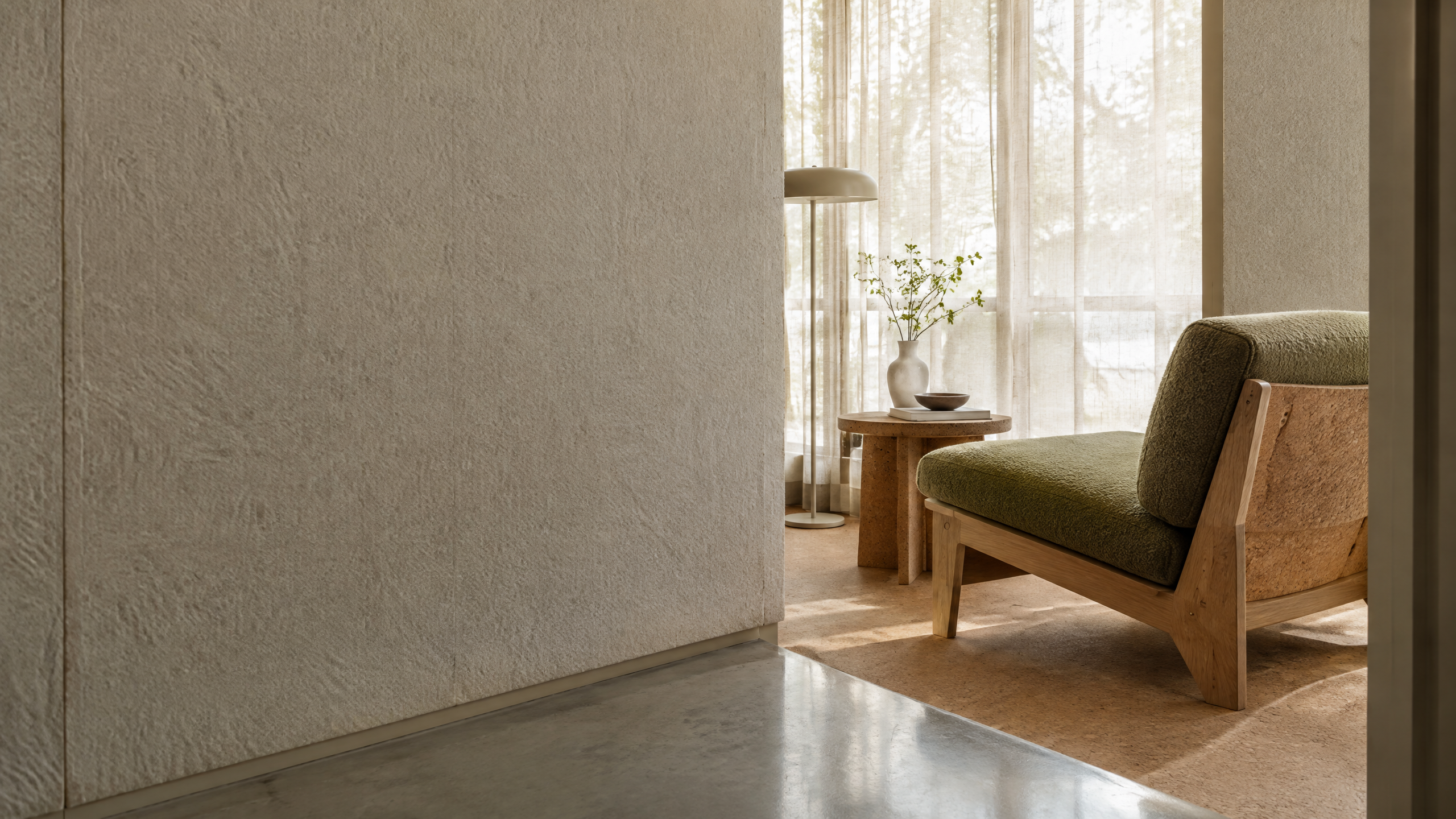
At 8:43 on a rain-polished Tuesday, I watched a courier step out of the city and into a room that looked almost suspiciously ordinary. Pale wool walls, two low chairs, a lamp shaped like a moon with better boundaries. He did not sit. First he checked his phone, then the ceiling, then the nearest exit. Forty-seven seconds later, his shoulders dropped by perhaps half an inch. The room’s makers marked it on a clipboard as a success. I marked it as evidence that our public interiors have become very good at asking bodies to brace.
The project began with an unfashionably specific brief from a small civic design studio: build a place where a stranger’s muscles release before their mind has time to issue an opinion. They rented a narrow ground-floor unit between a laundromat and a dentist, then assembled an acoustic engineer, a lighting programmer, a horticulturalist and a carpenter who describes plywood as if it has feelings. Their prototype was called the Soft Room, though its real opponent was not hardness. It was vigilance: that barely audible, expensive posture people carry through lobbies, cafés, clinics and open-plan offices.
They measured the usual suspects first. Noise sat below 34 decibels, softer than a refrigerator’s private grumble. The air was warm but not stale, held at a level the team called cardigan weather. Light arrived indirectly from behind linen panels, with none of the cool, interrogative glare that makes every waiting room feel like a confession booth. A subtle scent of cedar and clean cotton was tested, then removed; scent, the horticulturalist observed, is memory with a crowbar. The winning version smelled only faintly of rain on stone, produced by a concealed tray of damp mineral tiles.
Yet the early visitors did not relax on schedule. Some praised the hush while tapping their feet. One woman said the chairs were lovely and immediately perched on their edges. The team discovered that quiet can be a spotlight. In a city of notification pings, espresso grinders and polite emergency sirens, a room with no sound at all makes every swallow feel televised. So they added an almost-invisible acoustic weather system: a low, irregular wash of air through a perforated plaster channel, a sound closer to leaves turning than to any playlist designed to sell tranquillity. Bodies trusted the room once it sounded gently alive.
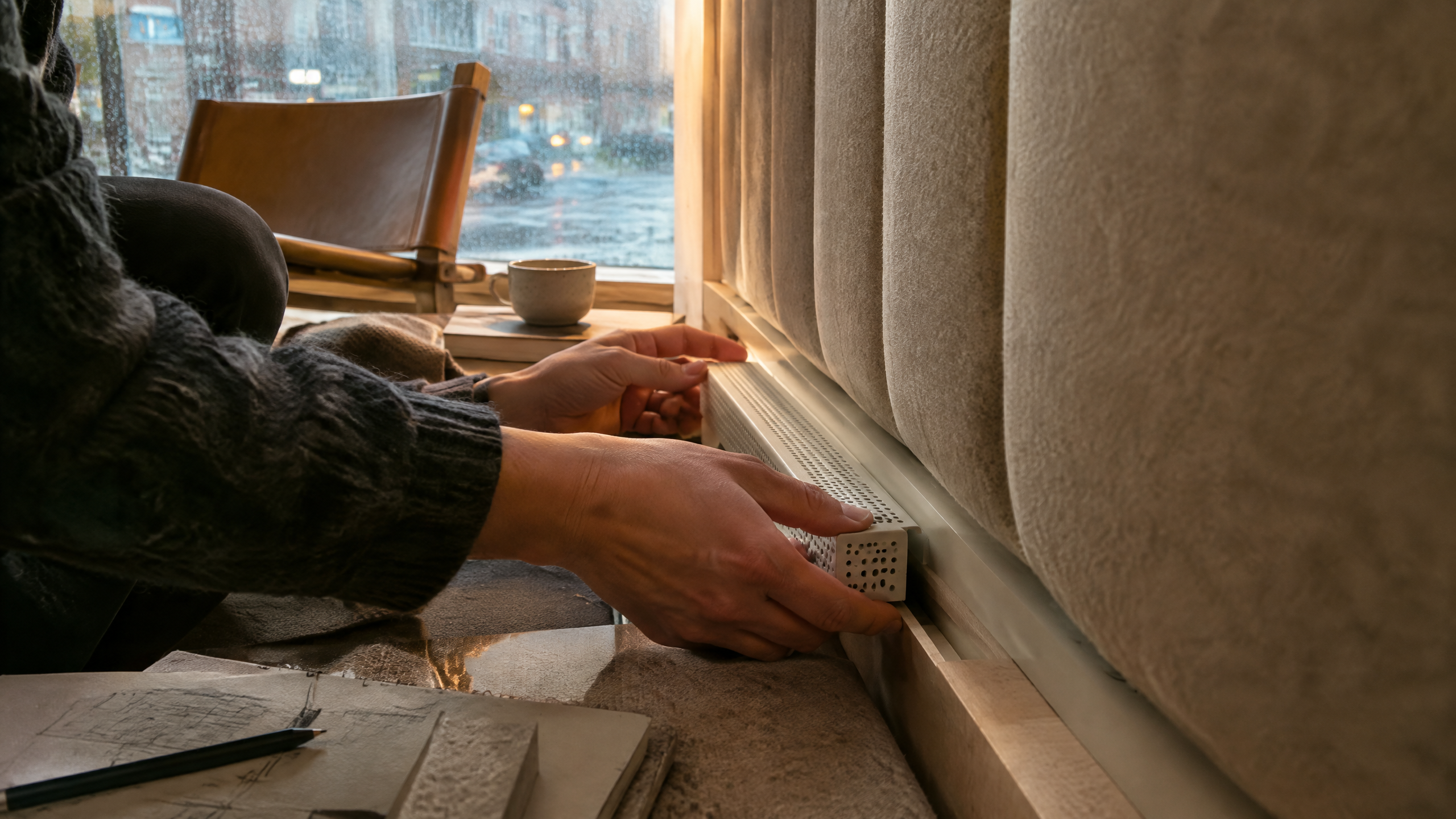
Texture mattered, but not in the luxury-brochure way. The wool panels absorbed sharp frequencies and offered no shiny surface for a visitor to inspect themselves in. The chairs had armrests broad enough to rest a forearm, a detail borrowed from library furniture rather than spas. Corners were softened, but not erased; people still need to understand where a room ends. Even the floor had a little give, layered cork beneath oiled oak, so footsteps landed without the crisp little verdict of a heel. Comfort, I learned while pressing my palm against the wall, is not an absence of information. It is information delivered without accusation.
Then came the invoice. Handmade acoustic plaster, low-flicker fixtures, locally milled cork, the months spent adjusting a vent until it stopped sounding like an anxious flute: the Soft Room cost more per square metre than the glossy lobby of a nearby finance tower. That figure gave the experiment its uncomfortable center. Are we designing relief as a boutique amenity for people already able to purchase it? The team refused the easy answer. They cut the expensive custom pieces from the next plan and protected the principles instead: doors that close gently, seating with backs, a light level that allows faces to be read, a pocket of unprogrammed time.
On the final testing day, the most instructive element was neither wall nor lamp. It was a handwritten rule at the reception desk, translated into a plain spoken welcome: no one will ask why you are here. Visitors could remain for ten minutes, make tea, stare at a plant, or leave without supplying a story. A night-shift nurse stayed for twenty-three minutes with her hands around an empty cup. Later she told the team she had expected the chair to be the nicest thing. It was the lack of curiosity. Her shoulders, she said, had been working overtime long before the rest of her did.
That is the cost real comfort exposes. It requires materials, yes, and maintenance, and someone willing to argue against brighter lights and more revenue-generating chairs. But it also asks institutions to surrender a little extraction: fewer prompts, fewer explanations, fewer signals that every square foot must produce a transaction or a data point. Softness is often treated as decorative because control is easier to quantify. A quiet room that lets you disappear for a moment can look inefficient on a spreadsheet. It may be the rare public service whose outcome is deliberately difficult to capture.
When I left, the city resumed its enthusiastic campaign against the human nervous system: a delivery bike bell, a bus exhaling at the curb, a screen advertising urgency with polished blue light. None of it had changed. What changed was my suspicion that calm must be spectacular to count. The Soft Room was not a sanctuary from urban life; it was a small rehearsal for a better version of it. Its lesson can travel cheaply: lower the glare, offer a backrest, let a pause remain unexplained. The most generous room is not the one that makes us feel special. It is the one that stops demanding we prove we deserve to rest.