Arts
The Tattoo Artist Who Makes You Tell the Truth First
In a back-room tattoo studio, the first stencil is not drawn on skin. It is drawn from a question sharp enough to make a client put their phone away and decide what they actually mean.
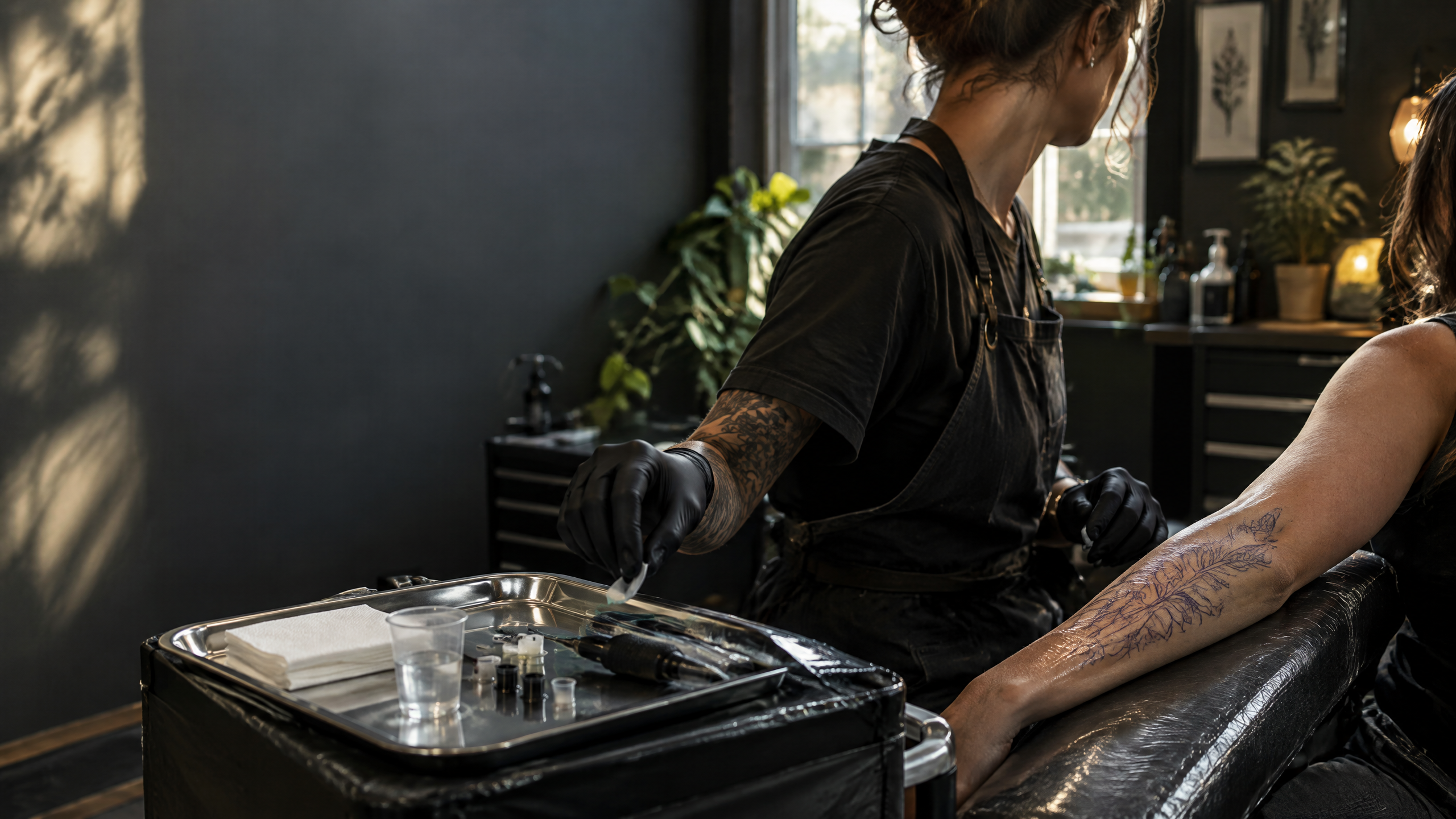
The first question is not about placement. It is not whether you can tolerate ribs, or whether your mate will recognise the reference, or whether a delicate little moon will become a bruised-looking potato in twenty years. The artist folds her arms beside the steel tray, lets the buzzing machine stay switched off, and asks: What would have to be true in your life for this image to stop feeling necessary? The question lands with the peculiar weight of a metal ruler dropped in a quiet classroom. Clients laugh first. Then, usually, they look at the drawing differently.
I am the apprentice who cleans the caps, watches line weight, and spends a surprising portion of my week explaining why a tattoo is not a printer setting. From my stool in the corner, I have seen people arrive holding screenshots as if they were visas to a more interesting self. They want a phrase in a stranger’s handwriting, a symbol harvested from an algorithm, an ex’s birth flower with the ex carefully left unnamed. Our artist has a polite face and the timing of a courtroom cross-examiner. She will not shame anyone. She simply waits long enough for the answer to become less shiny.
The rule is not that every tattoo needs to be solemn. Please. A life without stupid little tattoos would be unbearably well behaved. We have done a bread roll in a halo, a pair of roller skates, and a magnificent sardine with the posture of a minor aristocrat. The test is not seriousness; it is ownership. If the answer is, ‘I would not need this if I finally believed I was brave,’ then the design has handed us a useful clue. Maybe the tattoo still belongs on the body. Maybe the body deserves the belief first. Either way, the stencil can wait ten minutes.
One client came in for a black thorn curling around her wrist. ‘It means resilience,’ she said, in the weary voice of someone repeating a sentence taught by a mug. The artist asked the question. The client stared at the reference, then said she would stop needing the thorn if her mother quit calling every decision a phase. There it was: not resilience, exactly, but a tiny fence at the edge of a family argument. They talked until the design changed. The thorn opened into a climbing vine, leaving one deliberate gap near the pulse. It was not therapy; a tattoo chair is a terrible substitute for that. But it was more honest than armour pretending to be decoration.
The question catches people because tattooing is often sold as instant clarity. Pick a self, pay a deposit, sit still, emerge authenticated. Craft tells a less flattering and more beautiful story. Skin moves. Black settles. Fine detail softens. A good artist has to think about the elbow folding, the sun getting at the ink, the way an image will live beside future scars, freckles, and bad decisions made on holiday. Meaning moves too. The design that survives is rarely the one that predicted a whole life. It is the one with enough room for the life to answer back.
I learned this the hard way with my own first piece: a matchbook on my ankle, drawn at nineteen because I was determined to look like someone who had been somewhere smoky and consequential. I had not. I had mostly been in a shared flat eating cereal over the sink. When the artist asked what would make the matchbook unnecessary, I said, ‘Nothing,’ which was both confident and completely untrue. What I meant was that I wanted evidence I could start things. Years later, the ink has blurred pleasantly at the edges. The matchbook no longer proves anything. It reminds me that younger me was trying, in her slightly theatrical way, to light a room.
Not everyone likes the question. A man once picked up his jacket and announced that he did not come in to be interrogated by ‘the tattoo police.’ Fair enough, though tattoo police would at least have excellent forearms. He wanted a large clock with no hands, copied almost line for line from a picture on another person’s body. The artist offered to redraw it from the story he had not told us. He declined. No dramatic lesson followed, no thunderclap of insight. He left. The studio went back to smelling of green soap and warm paper. Consent includes the right to leave with your privacy intact; craft includes the right to refuse to make a stranger’s confusion permanent.
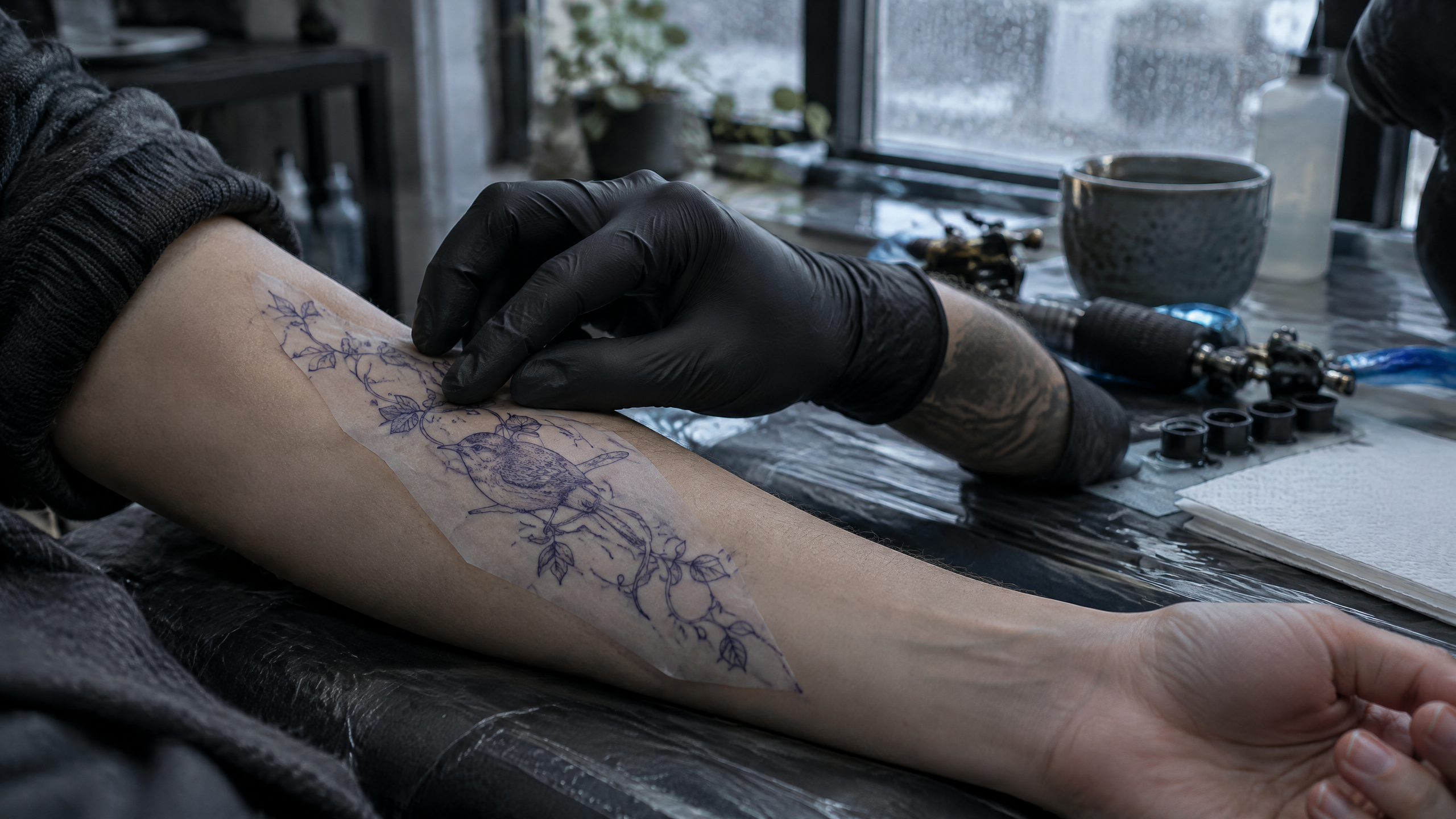
The best answers are not always tidy. Last month, a nurse wanted a tiny blue wren near the inside of her arm. When asked what would make it unnecessary, she said, ‘If my brother came back.’ The room became very still, not in the sentimental way films do it, but in the practical way: gloves paused above the tray, the kettle clicking off in the next room. She did not change her mind. She changed the pose. The bird faced outward rather than toward her chest. ‘He was always heading somewhere,’ she said. The artist made the blue almost grey, like dawn deciding whether to happen. That is the kind of detail a copied reference cannot supply.
By the time the machine begins, the truth is not necessarily grand. Sometimes it is that a client wants a joke to remain a joke. Sometimes it is that they have earned softness, or that a particular summer deserves a witness, or that they are tired of waiting to feel finished before marking time. The artist’s question does not demand a perfect reason. It clears a little breathing room between desire and needle. Then the stencil goes on, purple and temporary, and the client gets one last look. This, I think, is the quiet genius of the ritual: before the ink asks the body to remember, somebody asks the person to speak plainly.