Cooking
Aglio e Olio for the Nights When the Fridge Is Mostly Optimism
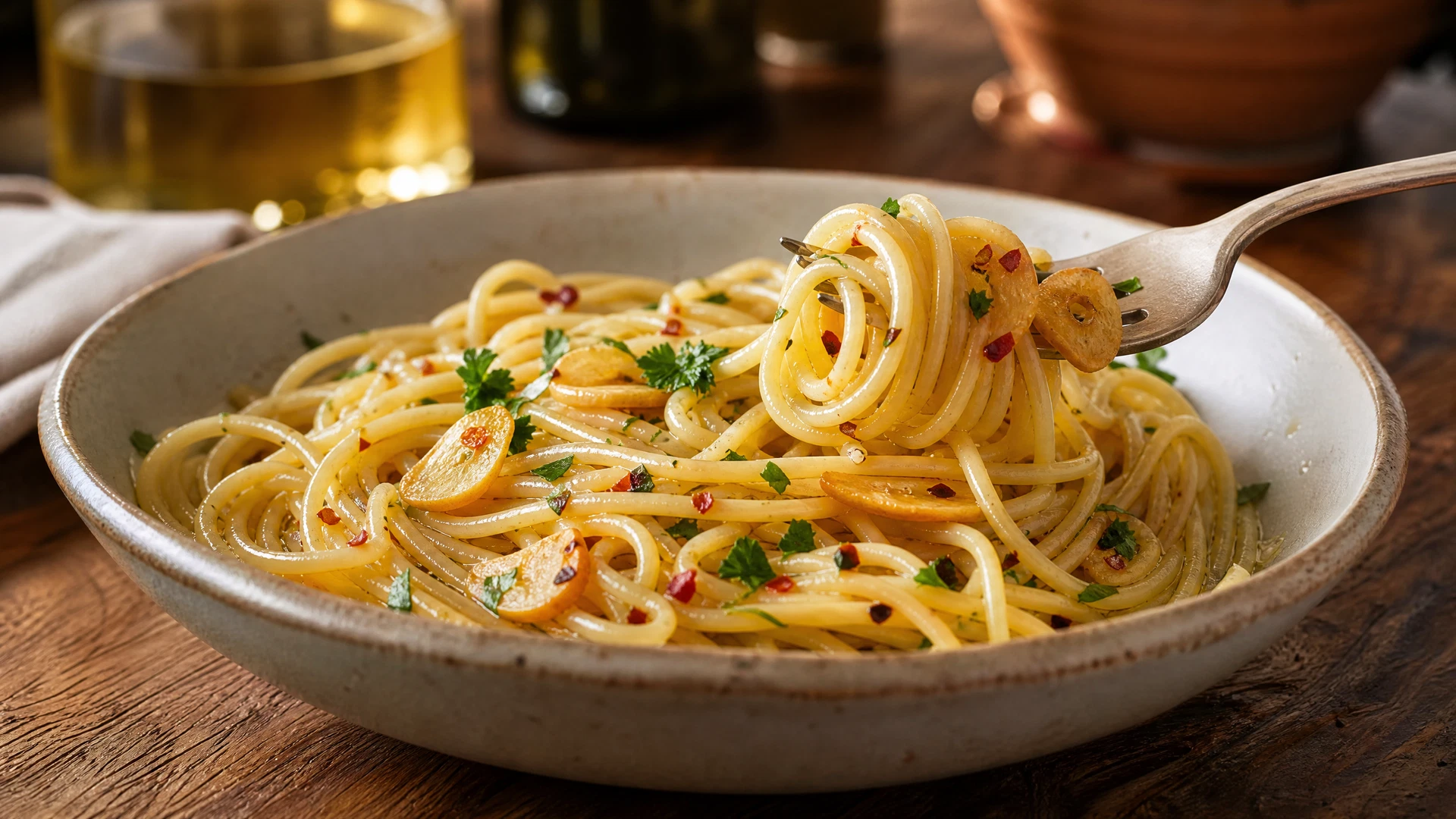
Garlic, olive oil, pasta water and a little confidence: this is the fast, glossy dinner that makes a near-empty kitchen feel surprisingly organised.
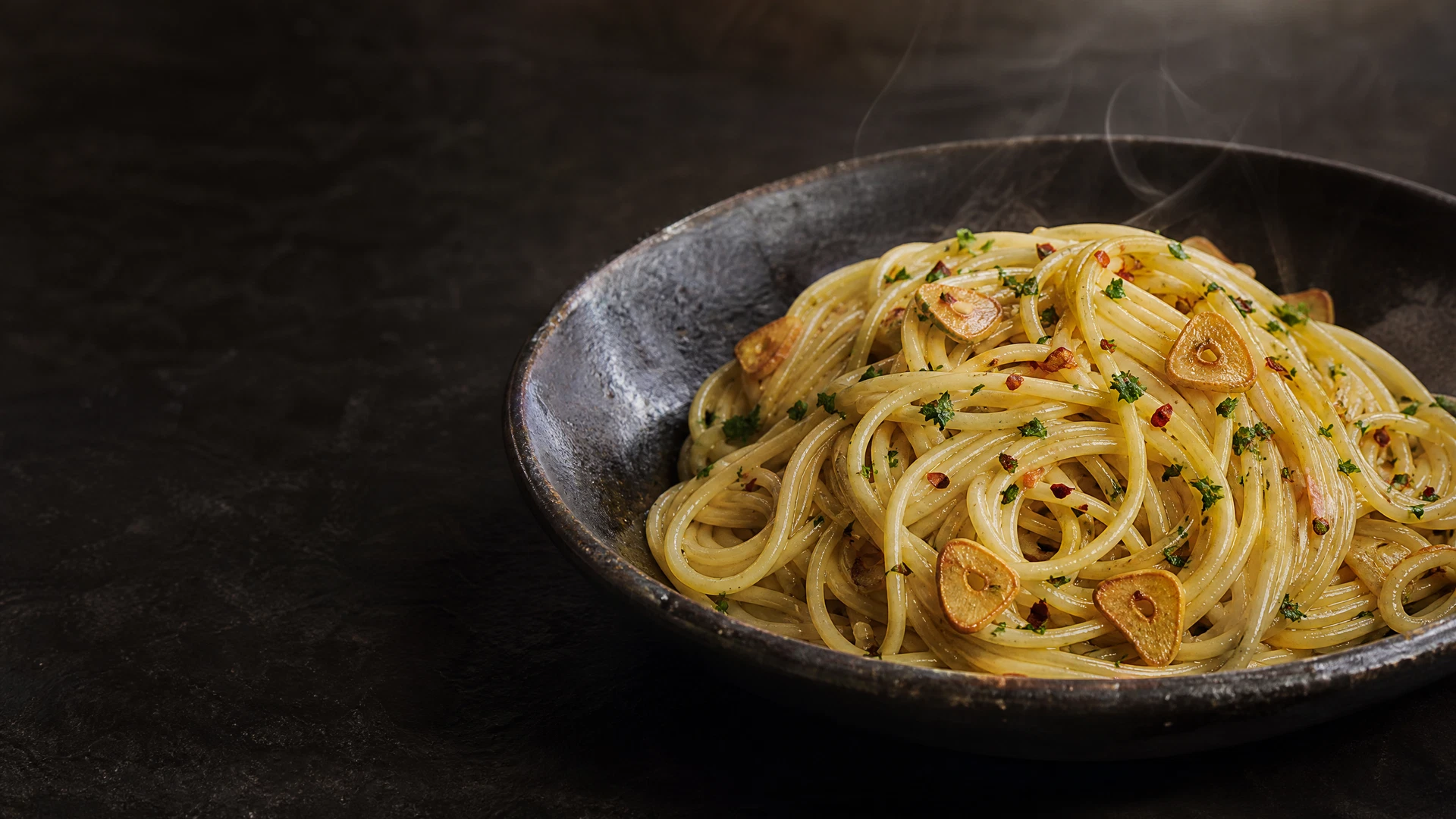
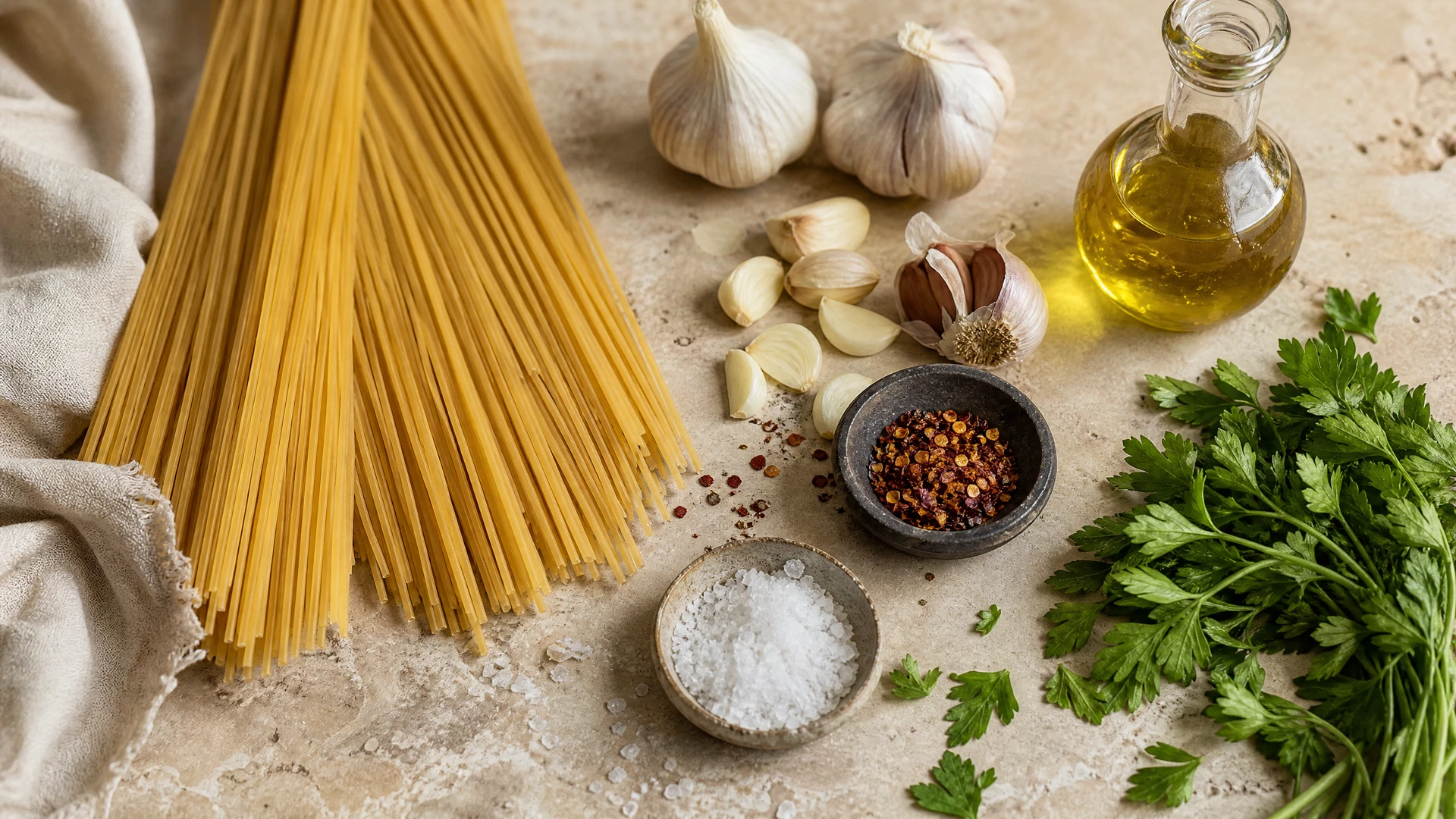
Aglio e olio is the kind of pasta that behaves like a clever friend: it arrives quickly, looks far more composed than the situation deserves, and asks very little in return. For two bowls, you need 200 g spaghetti, 4 garlic cloves, 60 ml extra-virgin olive oil, chilli flakes, a small handful of flat-leaf parsley, salt and black pepper. The key is not more ingredients. It is letting the garlic turn gently golden rather than giving it a dramatic, burnt farewell.
Step 1 — Bring a large pot of water to a boil and salt it well. Add the spaghetti and cook it until it is just shy of tender. Keep a mug next to the pot: before draining, save at least one cup of the cloudy pasta water. It is not glamorous, but it is the tiny bit of kitchen magic that brings oil and pasta together.
Step 2 — While the spaghetti cooks, peel and thinly slice the garlic. Put the olive oil and garlic in a large cold frying pan, then set it over low to medium-low heat. Starting cold gives the garlic a chance to warm with the oil rather than panic. Stir often until the slices are pale gold and fragrant.
Step 3 — Add chilli flakes to taste during the final minute of cooking. Keep the heat gentle. Garlic can move from golden to bitter with the speed of an unanswered group-chat message, so remove the pan from the heat as soon as the edges begin to colour.
Step 4 — Move the spaghetti straight from the pot into the garlic oil with tongs. Add a splash of the reserved pasta water and toss firmly for 30 seconds. The pan should sound lively, not angry. Add another splash if the strands seem dry; you are looking for a light glossy coating, not a puddle.
Step 5 — Fold through most of the chopped parsley and a few grinds of black pepper. Taste before adding extra salt. The pasta water, oil and starch should cling to the noodles in a thin sauce that tastes of garlic first and bravado second.
Step 6 — Divide between warm bowls and scatter over the remaining parsley and a final pinch of chilli. Eat immediately. Aglio e olio does not enjoy waiting for a photo shoot, but it will forgive a quick picture if the pasta is still shining and the garlic is still golden.