Mycology
Fungal threads are redrawing the hidden map beneath a field.
Beneath the surface of a quiet field, a vast and invisible architecture of fungal threads is reshaping our understanding of the natural world, revealing a collaborative network that sustains life far beyond the reach of the sun.
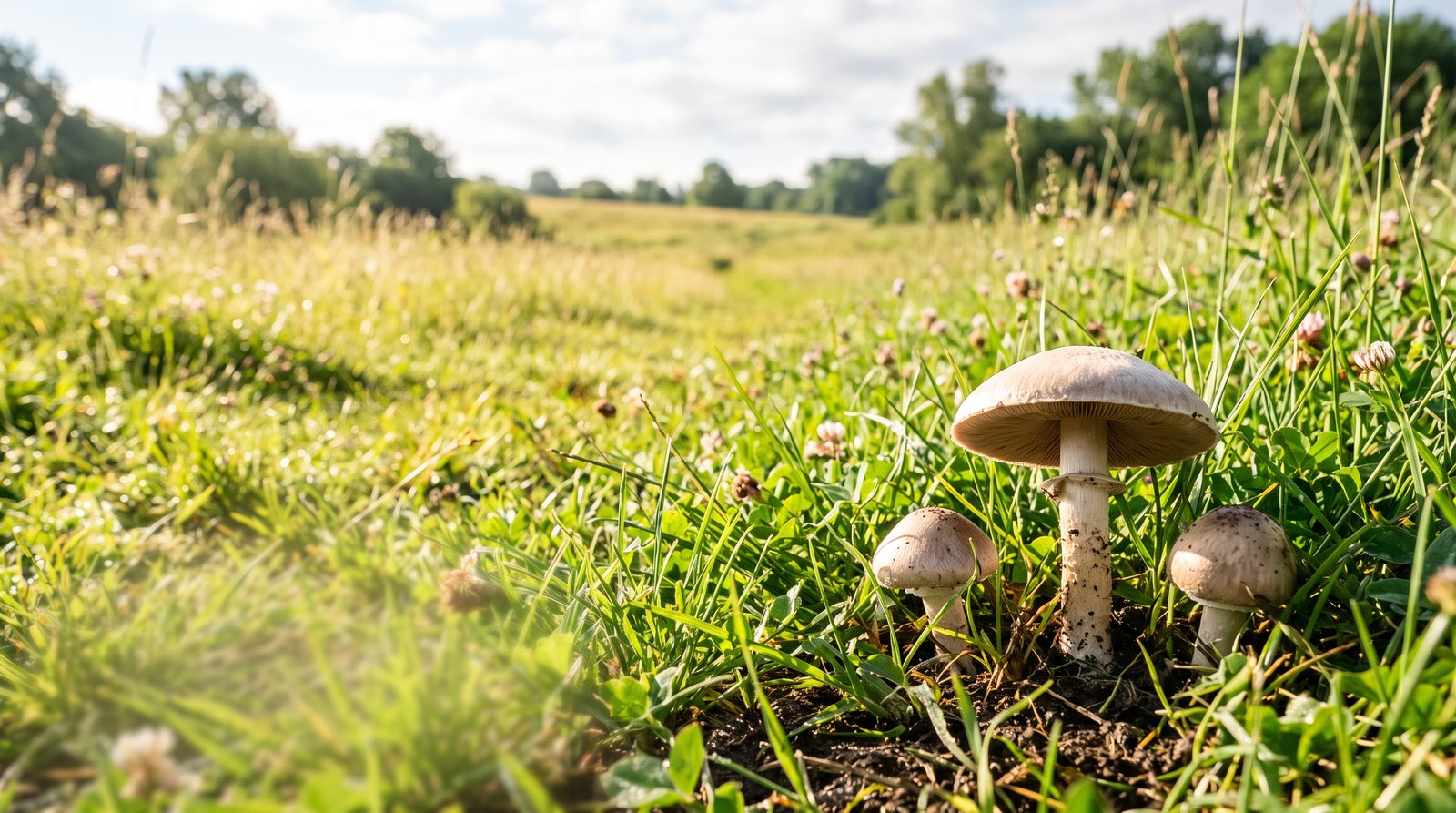
The surface of a meadow in late summer presents a deceptive stillness, suggesting a world of individual actors competing for the sun. Yet, just inches beneath the soil, a complex architecture is at work, challenging assumptions about the autonomy of plants. This hidden infrastructure is composed of mycelium, a vast network of fungal threads that weave through the earth with a precision that rivals the neural pathways of a brain. For every footstep, there are miles of these filaments forming a biological fabric that ties the ecosystem together. This is not merely a collection of organisms; it is a unified map that is constantly being redrawn as the fungi respond to the shifting needs of the land.
The physical reality of this network is staggering. A single teaspoon of healthy soil can contain several miles of fungal hyphae, the threads that make up the mycelial body. These hyphae are so fine that they can penetrate the smallest pores in the earth, reaching moisture and nutrients inaccessible to the relatively coarse roots of plants. By wrapping themselves around root cells, these fungi create a symbiotic interface known as a mycorrhizal association. In this arrangement, the plant provides the fungus with sugars produced through photosynthesis, while the fungus delivers essential minerals like phosphorus and nitrogen. This exchange is the foundational economy of the field, a silent trade that has persisted for millions of years.
As our understanding of these networks has deepened, researchers have begun to describe them as the "Wood Wide Web," capturing the communicative power of the mycelial map. These fungal threads do not just transport nutrients; they also serve as conduits for chemical signals that allow plants to share information. When a plant is attacked by pests, it can release specific chemical markers into the network, alerting its neighbors to the threat. In response, nearby plants may bolster their own chemical defenses, preparing for a challenge they have not yet encountered directly. This suggests a level of communal awareness missing from traditional models of botanical life, where every tree is seen as a solitary competitor.
The mycelial network also functions as a sophisticated resource distribution system, prioritizing the health of the collective over the success of any single individual. Large, established trees use their extensive root systems and fungal connections to funnel excess nutrients to younger saplings growing in the deep shade. This intergenerational support system ensures the long-term resilience of the ecosystem, allowing the next generation of plants to survive until they can reach the light themselves. Even across different species, the network facilitates mutual aid; a birch tree might share carbon with a neighboring fir during the summer, only for the fir to return the favor in the winter. The map beneath the field is a record of cooperation.
Beyond their role as providers, fungi are the master engineers of the soil's physical structure. As mycelial threads grow, they secrete organic compounds that bind soil particles together into stable aggregates. This process creates the crumb-like texture of healthy earth, which allows for better aeration and water infiltration, preventing erosion and helping the land to hold onto moisture during drought. Without the stabilizing presence of these fungal networks, the soil would be little more than a collection of loose dust, easily washed away by rain. By building the ground they inhabit, fungi create the conditions necessary for the plants they support to thrive, demonstrating a form of environmental stewardship that precedes human intervention by eons.
The scale and longevity of these fungal systems often defy human perception, operating on a timeline that stretches far beyond a single season. Some mycelial networks are estimated to be thousands of years old, having grown steadily beneath the same patch of earth while empires rose and fell above them. These ancient organisms possess a form of biological memory, having adapted to centuries of climatic shifts. They are the primary decomposers of the natural world, the quiet laborers who break down fallen wood and leaf litter, returning locked-away nutrients to the soil so that new life can emerge. In this sense, the fungal map is a bridge between the past and the future, ensuring a continuous cycle.
This shift in perspective—from seeing the field as a collection of individuals to a singular, networked entity—has profound implications for conservation. Traditional methods often focus on protecting specific species, but the health of the field is ultimately determined by the integrity of the invisible map beneath it. When we disturb the soil through intensive tilling or heavy chemical use, we are not just removing plants; we are tearing apart the delicate threads that hold the ecosystem together. Once these networks are severed, the plants that remain become isolated and vulnerable, losing their access to the shared resources and information that once sustained them. True restoration must begin with the soil, focusing on allowing these connections to reform.
The map beneath the field is also a sensitive indicator of larger changes in our global environment. As temperatures rise and weather patterns become erratic, the fungal networks are forced to adapt, shifting their growth patterns and changing how they interact with their plant partners. Some species of fungi may thrive in the new conditions, while others that have spent millennia perfecting their symbiosis with specific trees may struggle to survive. Because these networks are primary drivers of carbon sequestration in the soil, their health is directly linked to our ability to mitigate climate change. By protecting the fungal map, we are safeguarding one of the most powerful tools we have for maintaining a stable and habitable planet.
Ultimately, the lesson of the fungal threads is one of profound interconnectedness, a reminder that no living thing exists in isolation. The map beneath the field tells a story of cooperation, of shared risks and mutual rewards, and of a world that is far more attentive and responsive than it appears. It invites us to look closer at the ground beneath our feet and to recognize the vast, invisible architectures that make our lives possible. As we continue to redraw our own maps of the world, we would do well to learn from the fungi, whose patient, persistent threads have already mapped out a way for life to endure through the ages. The field is a living conversation.