Travel
Namibia’s Skeleton Coast remains a haunting frontier where the desert dunes finally meet the Atlantic.
Along the desolate 500-kilometer stretch of Namibia’s Atlantic edge, the cold Benguela Current meets the shifting sands of the Namib. Here, rusted shipwrecks tell stories of maritime peril, while desert-adapted lions and elephants navigate a spectral landscape where the wilderness remains profoundly untouched and fiercely protected.
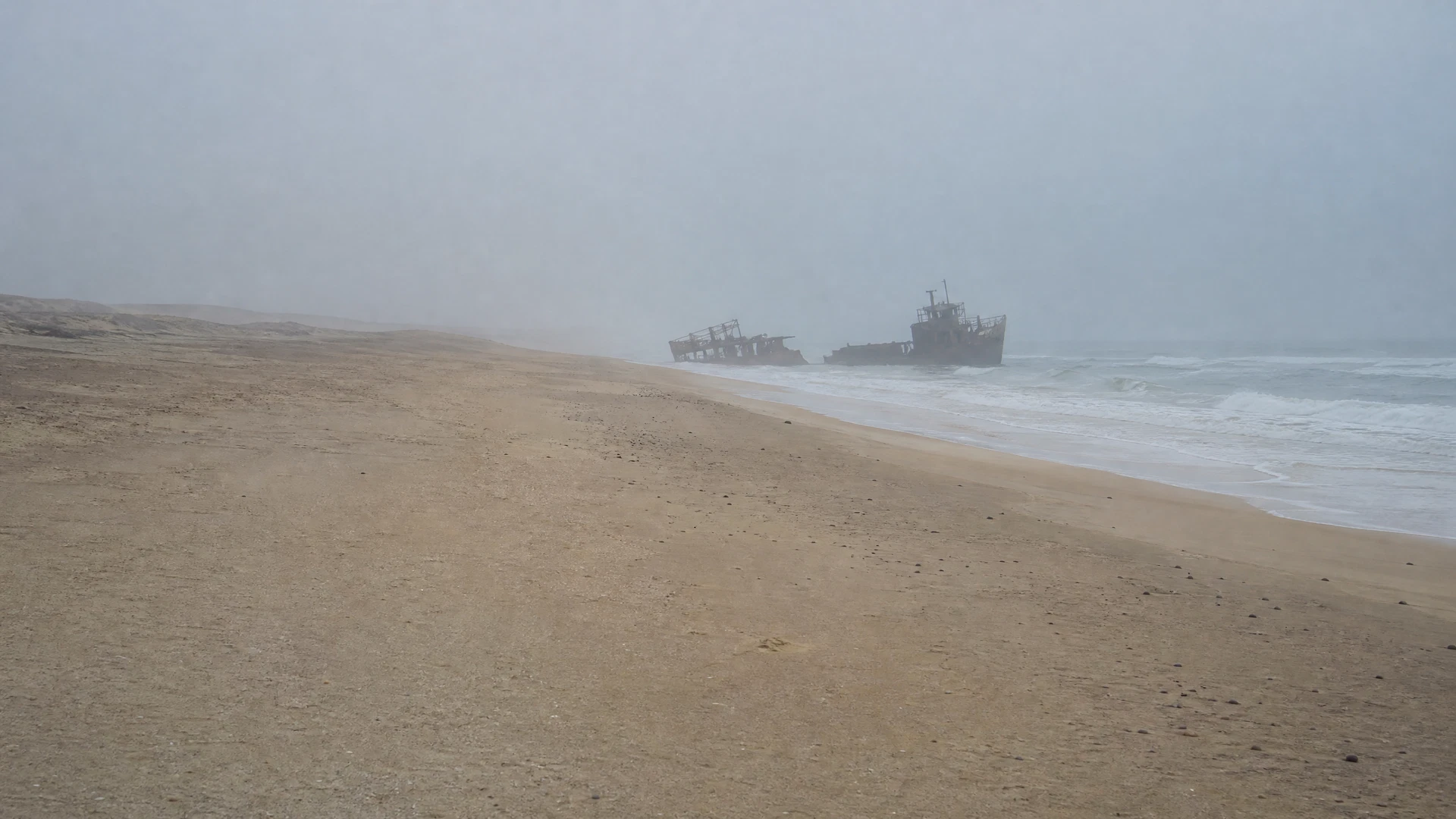
The Skeleton Coast of Namibia is a boundary where the terrestrial world seems to surrender to the Atlantic. Stretching for 500 kilometers from the Ugab River in the south to the Kunene River, this narrow strip of land is defined by a profound, almost spiritual silence. The name, coined to describe the skeletal remains of ships and whales that litter the shore, evokes a sense of mortality that is paradoxically full of life. To stand on these shores is to witness the relentless collision of two vast, inhospitable systems: the oldest desert on Earth and the frigid, nutrient-rich waters of the Benguela Current. It is a place where the map feels thin, and the modern world feels impossibly distant.
The character of this coast is dictated by the Benguela Current, a cold oceanic stream that flows northward from the Antarctic. As this frigid water meets the hot air of the Namib Desert, it creates a thick, pervasive fog that can roll inland for miles. This "sea mist" is the lifeblood of the region, providing the only reliable source of moisture for a landscape that receives almost no rainfall. For centuries of mariners, this same fog was a death sentence. The combination of heavy surf and unpredictable currents meant that any ship run aground was effectively lost, and its crew faced a grim trek across waterless dunes.
Walking along the beach, one encounters the rusted ribs of vessels that have been claimed by the sand. These shipwrecks serve as haunting monuments to the coast’s maritime hazards. The salt air and shifting sands have reduced once-proud hulls to skeletal iron frames, which slowly sink into the dunes or are reclaimed by the high tide. There is a melancholy beauty in these ruins, a reminder of the fragility of human endeavor when faced with the raw power of the ocean. The wrecks are not merely tourist curiosities; they are integral parts of the landscape, providing perches for cormorants and shelters for the small creatures that inhabit the intertidal zone.
Despite its reputation as a wasteland, the Skeleton Coast National Park is home to some of the most resilient wildlife on the planet. Here, the traditional hierarchy of the African savannah is rewritten. Desert-adapted lions, their coats thick and their behavior honed by the harsh environment, have been known to hunt along the shoreline, scavenging Cape fur seals or tracking prey through the dry riverbeds. These lions are a testament to the adaptability of life, surviving in a region where water is a luxury and the sun is a constant adversary. Seeing a pride of lions silhouetted against a towering sand dune, with the spray of the Atlantic in the background, is a surreal sight.
Further inland, the ephemeral riverbeds that cut through the desert serve as vital corridors for desert-adapted elephants. These giants have evolved larger feet for walking on sand and can go for days without drinking, relying on their deep knowledge of the landscape to find underground water sources. They move like ghosts through the dry canyons, their presence often signaled only by the deep ruts of their tracks or the occasional snapped branch of a hardy acacia tree. The coexistence of these massive mammals with the stark, arid terrain highlights the park's status as a unique ecological sanctuary where every drop of water is precious and every shade-giving tree is a landmark.
While the megafauna captures the imagination, the true masters of the Skeleton Coast are often the smallest. The park is home to over 100 varieties of endemic lichens, which carpet the rocky plains in shades of vibrant orange, pale green, and deep grey. These organisms are entirely dependent on the Atlantic fog, expanding and brightening when the mist rolls in and retreating into a dormant state when the sun returns. They are incredibly fragile; a single tire track can destroy a lichen field that has taken centuries to grow. This delicate carpet of life serves as a reminder that the desert is a complex mosaic of survival strategies operating on a microscopic scale.
Access to the northern reaches of the Skeleton Coast is strictly controlled. The wilderness area, stretching toward the Kunene River, is largely inaccessible by road, requiring visitors to arrive via fly-in safaris. From the air, the true scale of the Namib becomes apparent—a sea of longitudinal dunes that seem to undulate like waves toward the horizon. This controlled access ensures that the impact of tourism remains minimal, preserving the integrity of the fragile desert pavement and the solitude that defines the experience. It is a luxury not of opulence, but of space and silence.
For the traveler, the Skeleton Coast demands humility and preparation. This is a waterless, remote landscape where safety is inextricably linked to respect for the environment. The stewardship cautions are not mere suggestions; they are essential protocols for maintaining the park’s integrity. Visitors are encouraged to move lightly, following the guidance of experienced rangers who understand the movements of the wildlife. The experience is less about "doing" and more about "being"—observing the slow crawl of a dune or the way the light changes the sand from pale cream to deep ochre. In the end, these "skeletons" are the bare bones of the earth itself.