Learn
The Silvered Pulse of the Inland Sea
Across the vast, sun-drenched expanse of the Murray–Darling Basin, where the ancient pulse of the Baaka meets the steady, snow-fed currents of the Murray, a delicate and often heartbreaking dance between the thirst of a nation’s agriculture and the spiritual survival of its First Nations custodians plays out amidst the silvered skeletons of river red gums that stand as silent witnesses to a century of shifting tides and variable flows. This landscape, a complex tapestry of shimmering wetlands and parched riverbeds, serves as both the lifeblood of the Australian interior and a poignant reminder of the fragility of our connection to the land, inviting a deep, wistful reflection on what it means to live in harmony with a river system that remembers the deep time of the continent even as it struggles under the weight of modern demands.
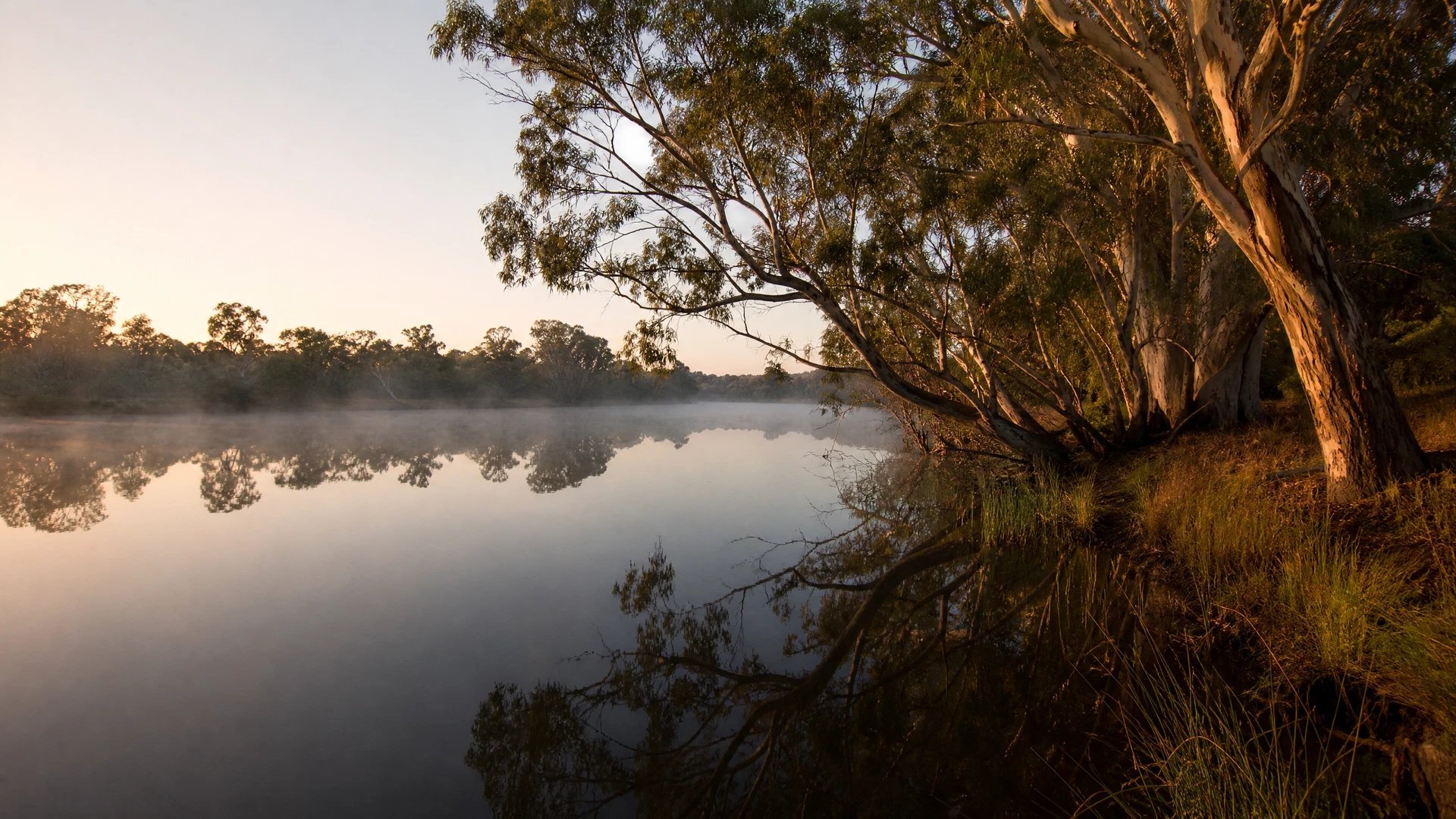
There is a specific kind of silence that settles over the Murray–Darling Basin when the water retreats, a quiet that is not empty but heavy with the memory of movement. It is the sound of the inland heart beating in a rhythm that defies the linear expectations of the modern world, alternating between the frantic rush of a flood and the long, gasping breaths of a drought. To stand on the banks of the Murray or the Baaka is to witness a landscape that is never truly the same from one season to the next, a place where the map is merely a suggestion and the water is the only true sovereign. The basin is a vast, interconnected web of life that spans over a million square kilometers, a territory where the red dust of the plains meets the cool, clear runoff of the Snowy Mountains, creating a world that is as fragile as it is enduring.
The river red gums are the sentinels of this shifting world, their gnarled and twisted forms leaning over the water like elders sharing secrets that only the currents can understand. These trees, some of which have stood for centuries, carry the scars of the river’s history in their burls and the grey-green canopy of their leaves. In times of plenty, they drink deeply, their roots anchoring the banks and providing sanctuary for a thousand species of birds and fish; in times of scarcity, they exhibit a heartbreaking resilience, dropping their own limbs to conserve the precious moisture that remains in their core. There is a profound wistfulness in the sight of a red gum stand during a dry spell, the silvered bark reflecting a harsh sun while the ground beneath them turns to a cracked mosaic of clay, a visual testament to the endurance required to survive in a land of such extreme variability.
To the north, the Baaka, or the Darling River, follows a course that is defined by the whims of the tropical monsoon, a winding thread of life that can transform from a series of stagnant, emerald-green pools into a roaring torrent within a matter of days. For the Barkandji people, the river is not just a resource but a relative, a living entity whose health is inextricably linked to their own spiritual and physical well-being. When the Baaka runs dry, the grief in the riverside communities is palpable, a sense of loss that transcends the economic and enters the realm of the existential. The sight of the Menindee Lakes, once a shimmering oasis for migratory birds, reduced to a salt-crusted plain is a reminder of the cost of our interventions, a quiet tragedy that echoes through the stories of those who have walked these banks for thousands of generations.
Further south, the Murray River presents a different character, its flow more regulated and its banks lined with the legacy of a colonial dream that sought to turn the interior into a verdant food bowl. Here, the snowmelt from the high country provides a more consistent pulse, feeding the sprawling irrigation districts that produce the citrus, grapes, and stone fruits that sustain the nation. Yet, even here, the wistfulness remains, hidden in the shadows of the massive weirs and locks that have tamed the river’s wilder instincts. The old ports of Echuca and Mannum, where the whistle of the paddle steamers once signaled the arrival of the outside world, now feel like museum pieces, their wooden hulls a reminder of a time when the river was the primary highway of the continent, an era of commerce and connection that has since faded into the quiet hum of the highway.
The connection of the First Nations people to these waters is a thread that stretches back into the deep time of the Dreaming, a relationship that is based on reciprocity rather than extraction. For the Ngarrindjeri at the Murray Mouth, the river is part of the Ruwe, a concept that encompasses the land, the water, the body, and the spirit as a single, indivisible whole. The Coorong, where the river finally meets the Southern Ocean, is a place of profound beauty and melancholy, a landscape of sand dunes and shallow lagoons where the fresh water of the basin mingles with the salt of the sea. When the flow is insufficient to keep the mouth open, the entire system feels the strain, a blockage in the very throat of the continent that serves as a warning of the consequences of neglecting the natural order.
Agriculture has brought prosperity to the basin, turning the grey-soil plains into a patchwork of productivity that feeds millions, yet this success has come at a significant ecological price. The tension between the needs of the farm and the needs of the river is the central drama of the region, a conflict that is played out in every town hall and irrigation meeting from Albury to Mildura. There is a particular sadness in seeing a lush, green orchard standing in stark contrast to a dying wetland just a few kilometers away, a visual representation of the difficult choices that define the modern management of the basin. The farmers themselves are often the first to feel the weight of this responsibility, their livelihoods tied to a climate that is becoming increasingly unpredictable and a river that can no longer guarantee the abundance of the past.
In the quiet reaches of the Barmah-Millewa forest, the largest river red gum forest in the world, the water moves with a slow, deliberate grace, flooding the low-lying areas to create a nursery for the Murray cod and the golden perch. These floods are the lifeblood of the forest, triggering a cycle of renewal that is essential for the survival of the entire ecosystem. However, the timing and duration of these events are now often dictated by human hands, a simulation of nature that can never quite capture the complexity of the original rhythm. The wistfulness of the forest lies in this artificiality, the sense that we are watching a performance rather than a natural occurrence, a choreographed flood that serves as a pale imitation of the wild, unbridled energy that once defined the basin.
The imagery of the "ghost trees"—the dead gums that stand in the middle of permanent impoundments like the Hume Dam—is perhaps the most iconic symbol of the basin’s transformation. These silvered skeletons, their branches reaching upward like skeletal fingers, are a haunting reminder of what was sacrificed in the name of progress. They stand as monuments to a landscape that was drowned to ensure the survival of others, a silent congregation that watches over the recreational boaters and the fishermen who now frequent these man-made lakes. There is a strange, ethereal beauty in these drowned forests, especially at twilight when the light catches the bleached wood and the water turns to glass, creating a scene that is both serene and deeply unsettling.
Small towns along the river carry a unique atmosphere, a blend of resilience and a quiet, persistent anxiety about the future. In places like Wilcannia or Wentworth, the river is the center of gravity, the place where people gather to fish, to swim, or simply to watch the water go by. The closing of a local business or the departure of a young family is felt by the whole community, a slow erosion that mirrors the degradation of the riverbanks themselves. Yet, there is also an incredible strength in these places, a deep-seated connection to the land that keeps people rooted even when the dust storms roll in or the river stops flowing. It is a wistfulness born of love, a commitment to a place that is as much a part of their identity as the blood in their veins.
As we look toward the future, the Murray–Darling Basin remains a mirror of our own ambitions and our own failures, a vast laboratory where the survival of a continent is being decided one megaliter at a time. The hope for the basin lies in a return to a more holistic understanding of the water, one that respects the cultural flows of the First Nations and the ecological requirements of the wetlands as much as the demands of the market. It is a difficult path, fraught with political and social challenges, but it is the only way to ensure that the silvered pulse of the inland sea continues to beat for generations to come. The wistfulness we feel today is not a sign of defeat, but a call to remember the value of what we have and the urgency of protecting it before the silence becomes permanent.