Heritage town
The Celtic soul of the New England High Country
Perched within the New England High Country, Glen Innes preserves a unique intersection of Celtic heritage, heritage-listed architecture, and ancient Gondwana rainforests, offering a profound connection to the region’s deep geological and cultural history.
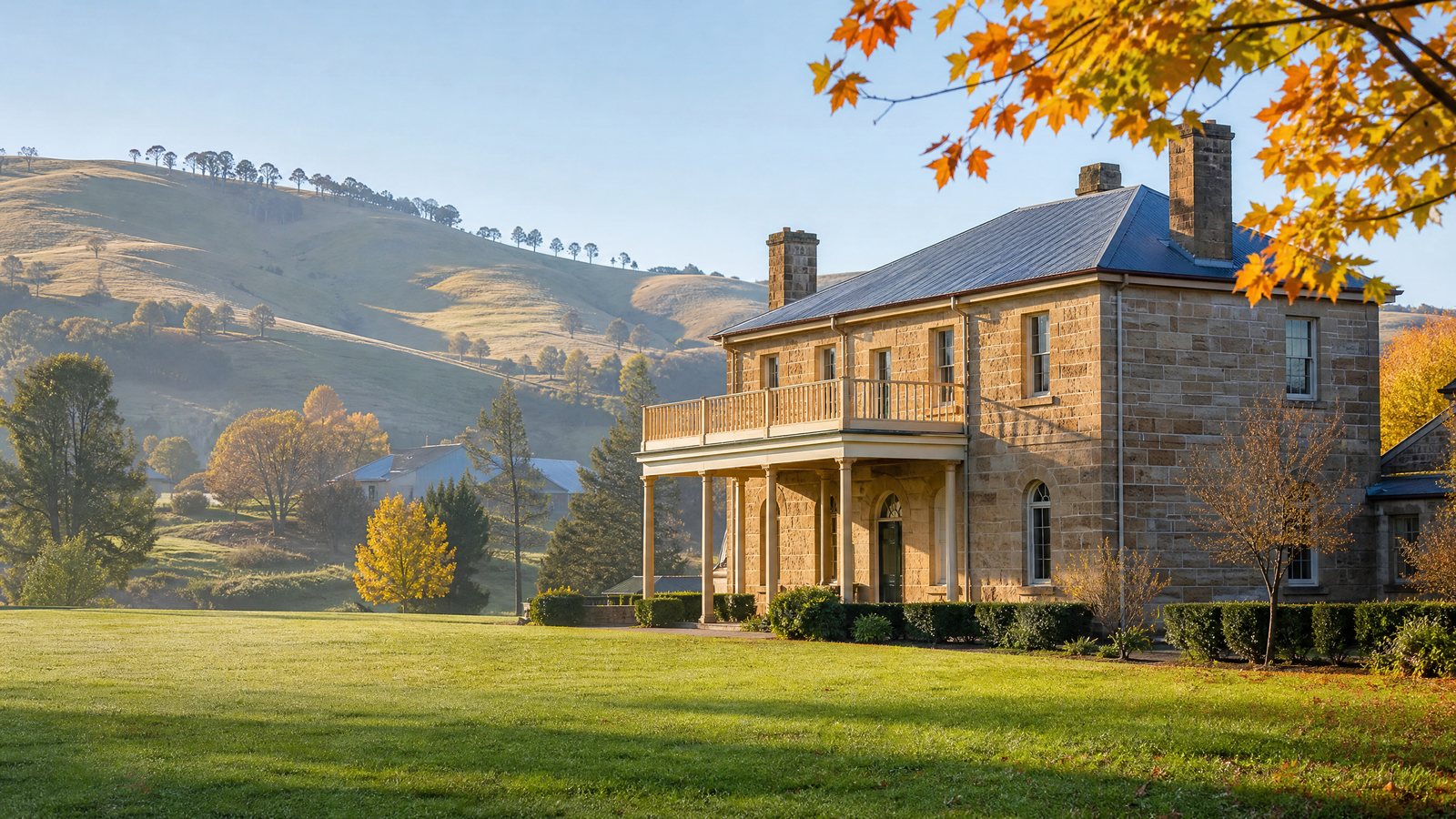
The New England High Country of New South Wales occupies a distinct place in the Australian landscape, defined by its elevation and the granite-strewn plateaus that rise sharply from the surrounding plains. At the heart of this region lies Glen Innes, a town that serves as a quiet custodian of both natural and cultural history. Situated over a thousand metres above sea level, the air here carries a clarity and a seasonal bite that distinguishes it from the coastal reaches of the state. The landscape is one of rolling green hills, ancient volcanic remnants, and a persistent mist that often clings to the valleys in the early hours of the morning. This geography has shaped the character of the town, fostering a community that is deeply attuned to the rhythms of the high country and the enduring presence of the granite boulders that punctuate the fields. The physical environment of Glen Innes is not merely a backdrop but a foundational element of its identity, where the weathered stones and the expansive sky create a sense of place that is both rugged and serene.
Perhaps the most striking manifestation of the town’s cultural identity is the Australian Standing Stones, a monumental tribute to the Celtic pioneers who settled in the region. Unlike ancient megaliths, these stones were erected in the late 20th century, yet they possess a gravity that feels timeless. The arrangement, inspired by the Ring of Brodgar, consists of granite monoliths sourced from the local area, anchoring the site firmly in the geology of the New England plateau. As the morning light hits the textured surfaces of the stones, the site becomes a place of reflection, bridging the gap between ancestral traditions and the specific reality of the Australian high country. The stones are not merely a monument but a living site for cultural celebration, serving as the focal point for the annual Celtic Festival and providing a space where the town’s heritage is visibly acknowledged.
The streets of Glen Innes offer a parallel narrative of continuity, preserved through a remarkable collection of heritage-listed architecture. Walking through the town centre is an exercise in reading the history of the late 19th century, where the prosperity of the pastoral and mining eras is etched into the facades of the buildings. The Great Western Hotel and the various banks feature the ornate masonry and balanced proportions characteristic of the Federation and Victorian styles. These structures have been maintained with a level of care that suggests a deep respect for the town’s built heritage, ensuring that the visual language of the past remains a functional part of the present. The use of local stone and timber in many of these buildings further reinforces the connection between the town and its immediate environment. This architectural consistency provides Glen Innes with a sense of permanence, a feeling that the town has grown organically from the high country soil.
Beyond the town limits, the landscape transitions into the wilder reaches of the Washpool National Park, a vital component of the Gondwana Rainforests of Australia World Heritage Area. This is a landscape of profound antiquity, where the vegetation remains largely unchanged from the time when Australia was part of the supercontinent Gondwana. The park contains significant stands of coachwood and giant red cedar, providing a sanctuary for a diverse range of flora and fauna that have adapted to the cool, moist conditions of the escarpment. The walking trails through Washpool offer a sensory immersion into this ancient world, where the sound of rushing water and the dense canopy of tree ferns create an atmosphere of quiet isolation. The presence of these rainforests so close to the pastoral lands of Glen Innes serves as a reminder of the region’s deep ecological history, offering a contrast to the human-shaped heritage of the town.
The geological history of the New England High Country is also contained within the earth itself, specifically in the form of the region’s renowned sapphire deposits. Glen Innes sits within one of the world’s most significant mineral belts, where volcanic activity millions of years ago created the conditions for the formation of high-quality gemstones. The tradition of fossicking remains a popular way for visitors to engage with this subterranean heritage, searching through the gravels of local creek beds for the elusive blue glint of a sapphire. This activity is more than a mere hobby; it is a connection to the primary industries that once drove the development of the region. The stones found here are celebrated for their clarity and deep colour, serving as a physical manifestation of the intense geological forces that shaped the plateau. The act of fossicking requires patience, mirroring the slow, attentive pace of life that defines the high country.
Life in Glen Innes is dictated by a seasonal rhythm that is more pronounced than in many other parts of New South Wales. The transition from the vibrant greens of spring to the golden hues of autumn and the frosty beauty of winter provides a changing visual palette for the region. These seasonal shifts are celebrated through community events and festivals, which draw on the town’s heritage and natural beauty to create a shared sense of time and place. The Land of the Beardies Festival highlights the town’s history and the resilience of its early settlers, while the changing leaves in the parks provide a backdrop for reflective activities. This seasonal awareness is a key part of the experience, where the passage of time is not something to be rushed but something to be observed. The climate, with its occasional snowfalls and crisp mornings, reinforces the town’s identity as a high-altitude sanctuary.
Ultimately, Glen Innes represents a rare and valuable intersection of history, nature, and geology. It is a place where the ancient rainforests of Gondwana meet the heritage-listed architecture of the colonial era, and where the granite boulders of the plateau provide a foundation for a vibrant Celtic culture. The town offers a profound sense of connection—to the earth, to the past, and to a slower, more deliberate way of living. Whether standing among the monoliths of the Australian Standing Stones or walking through the quiet, mist-filled valleys of the high country, visitors are invited to reflect on the enduring power of place and the stories that define it. Glen Innes is not just a destination on a map; it is a living archive of the Australian experience, a place where the beauty of the landscape and the richness of its heritage come together to create something truly unique.