Highland city
Heritage architecture and high-altitude elegance define this gracious New England university town
Perched at 1,000 metres in the New England High Country, Armidale blends 19th-century cathedrals and leafy streets with vibrant seasonal colors. From Gondwana rainforests to award-winning cool-climate wines, this city offers a sophisticated escape.
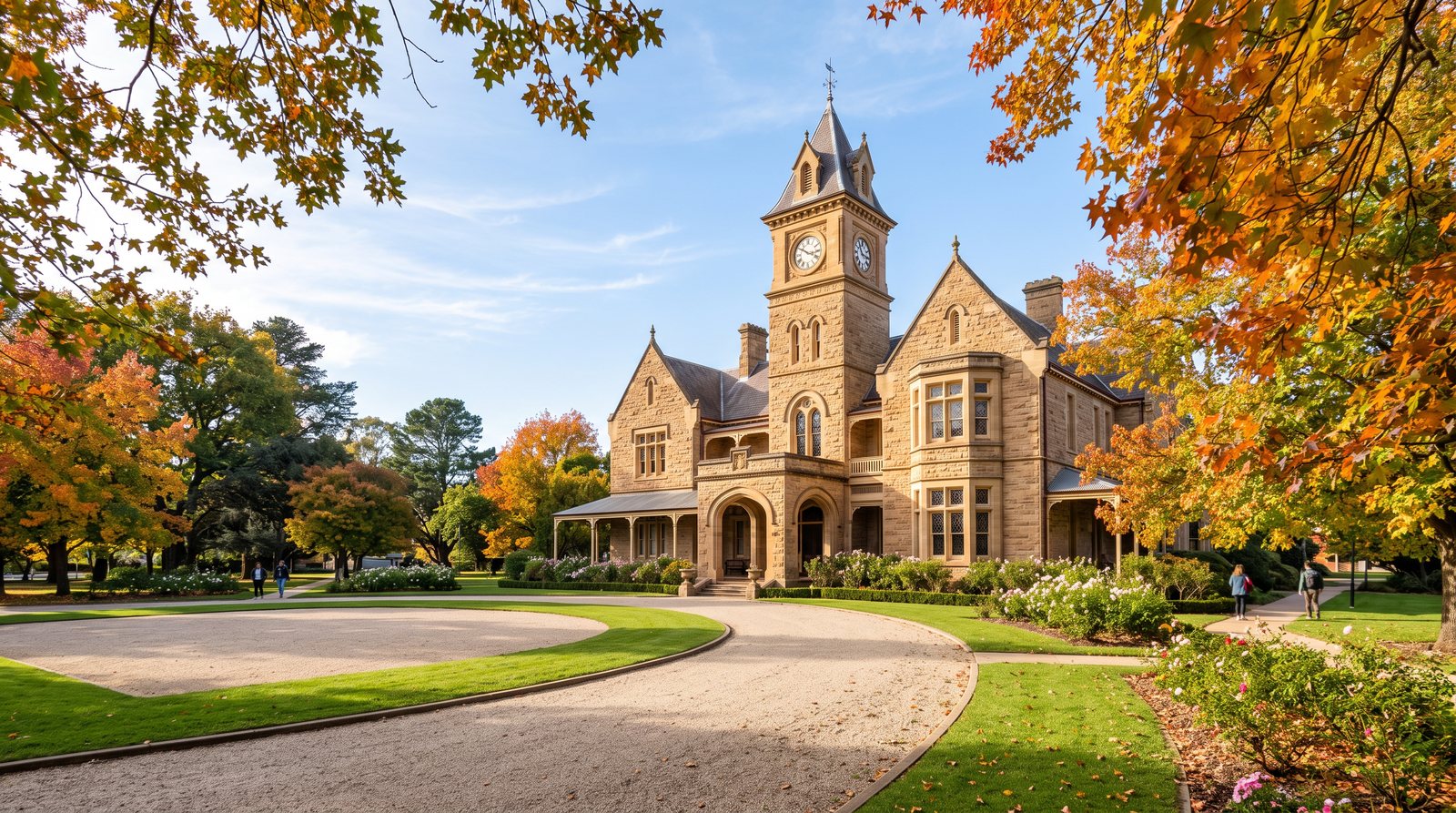
Armidale occupies a singular position in New South Wales, situated at an elevation of one thousand metres on the Northern Tablelands. This high-altitude setting provides a climate that distinguishes it from the coastal plains and the arid interior alike. The air possesses a characteristic clarity, particularly during early morning when light begins to illuminate the high country. As the regional capital of the New England High Country, Armidale serves as a gateway to a landscape defined by dramatic escarpments and ancient geological formations. The city is built upon a foundation of grace, where the natural environment and built heritage exist in sophisticated harmony. This sense of place is deeply embedded in the rhythm of the seasons and the enduring character of the community.
The architectural identity of Armidale is defined by its collection of nineteenth-century heritage buildings, a testament to the city's early prosperity. The skyline is punctuated by the elegant steeples of historic cathedrals, reflecting the city's long-standing cultural and religious foundations. These structures, constructed from local brick and stone, exhibit craftsmanship reflecting the Victorian and Edwardian eras. The streets are lined with substantial civic buildings and private residences that have been meticulously preserved, creating a streetscape that feels both historic and vital. The use of brick architecture is prominent, lending the city a warmth that complements the surrounding natural landscape.
As a prominent university town, Armidale is home to a major educational institution that has profoundly shaped the city’s intellectual and social fabric. The university’s presence introduces a cosmopolitan energy and a commitment to research that permeates the entire region. The campus itself, with its mix of historic homesteads and modern facilities, serves as a hub for cultural exchange. This academic influence is visible in the city’s vibrant arts scene and the regular hosting of performances that draw audiences from across the high country. The relationship between the town and the university is symbiotic, with the academic community providing expertise that informs regional development.
One of the most celebrated features of Armidale is its vibrant display of seasonal colors, facilitated by the city’s high altitude and the deliberate planting of deciduous trees along its leafy streets. While much of Australia is characterized by evergreen eucalyptus, Armidale embraces a European-style progression of seasons that transforms the city throughout the year. In autumn, the rows of maples, oaks, and poplars erupt into a palette of gold, crimson, and burnt orange, creating a visual spectacle. The fallen leaves carpet the footpaths and parks, adding a layer of texture to the urban environment. This seasonal transition is a sensory experience, accompanied by the cooling of the air and the distinct scent of the changing year.
The National Trust-listed Saumarez Homestead stands as a significant cultural landmark on the outskirts of Armidale, offering a window into the pastoral history of the region. This extensive estate, centered around a grand two-story Edwardian mansion, remains largely intact with its original furnishings, outbuildings, and formal gardens. The homestead provides a tangible connection to the lives of the past and reflects the social and economic structures of early twentieth-century rural life. Visitors can explore the collection of farm machinery, the blacksmith’s shop, and the stables, all of which illustrate the self-sufficiency required of a large high-country station. The surrounding gardens, featuring heritage roses and expansive lawns, offer a tranquil setting that contrasts with the rugged wilderness of the nearby national parks.
Beyond the city limits, the landscape transitions into the rugged grandeur of the Great Escarpment, where the Northern Tablelands drop precipitously toward the coastal valleys. This dramatic terrain is home to the nearby Gondwana Rainforests of Australia, a World Heritage-listed area protecting some of the oldest ecosystems on the continent. These rainforests are characterized by ancient lineages of flora and fauna, including Antarctic beech trees and primitive ferns that have survived for millions of years. The proximity of these wilderness areas to Armidale allows for a seamless transition from the refined atmosphere of the city to the untamed beauty of the natural world. Hiking trails lead through mist-shrouded forests and along the edges of sheer cliffs, offering views that stretch across vast expanses of forested wilderness.
The region’s natural beauty is further exemplified by the spectacular waterfalls and wilderness areas that define the gorges of the New England High Country. These thundering cascades provide a breathtaking display of the power of water as it plunges into the deep ravines carved into the tablelands. During periods of heavy rain, the falls become a thundering spectacle, while in drier times, the sheer scale of the gorge remains a powerful reminder of the geological forces at work. The network of national parks surrounding Armidale offers a variety of experiences for those seeking solitude and adventure. From the mist-filled valleys to the quiet reaches of the high country, the region provides a diverse array of habitats.
Complementing the cultural and natural attractions of Armidale is the region’s emerging reputation for award-winning cool-climate wines. The high altitude and volcanic soils of the Northern Tablelands provide ideal conditions for producing varieties such as Chardonnay, Pinot Noir, and Riesling, which benefit from the long, cool ripening season. Local vineyards and cellar doors offer a sophisticated tasting experience, often set against the backdrop of rolling hills and historic farmsteads. This viticultural industry adds another layer to the city’s identity, blending agricultural tradition with a modern appreciation for quality. The cool-climate wines of Armidale are a reflection of the environment from which they spring—elegant, nuanced, and deeply connected to the high-country landscape. Whether enjoyed at a local restaurant or at the vineyard itself, these wines provide a sensory connection to the land and the people who work it.
In conclusion, Armidale represents an essential stop for those seeking a destination that offers both cultural depth and breathtaking natural beauty. Its unique combination of heritage architecture, academic tradition, and seasonal vibrancy creates a city that is both gracious and intellectually stimulating. The surrounding high-country wilderness, with its ancient rainforests and thundering waterfalls, provides a dramatic contrast to the refined atmosphere of the urban center. Armidale does not merely offer a collection of sights to be seen but an environment to be experienced—a place where the altitude elevates the senses and the history informs the present. By preserving its built heritage and protecting its natural wonders, the city ensures its gracious character will continue to inspire and enchant visitors for years to come.
References [1] Visit NSW, "Armidale," https://www.visitnsw.com/destinations/country-nsw/armidale-area/armidale