Coastal town
A northern sanctuary where ancient river systems meet the Pacific tide
Situated where the Tweed River meets the Pacific, Tweed Heads is a sanctuary of coastal beauty and cultural depth. From the ancient Bora Ring to the fertile reaches of a massive volcanic caldera, the town offers a profound connection to the landscape.
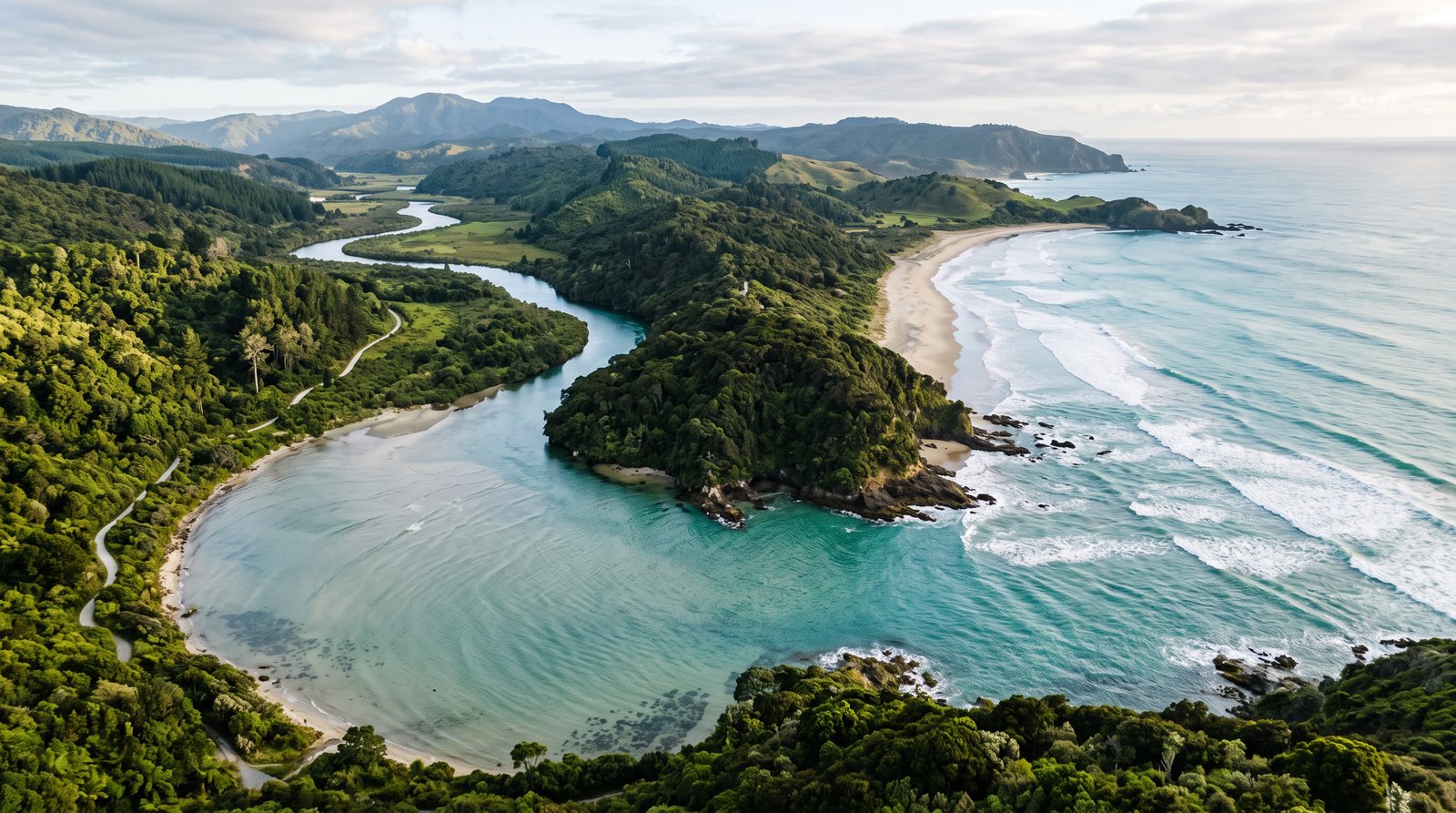
Tweed Heads occupies a singular position on the map of New South Wales, serving as both a physical boundary and a fluid meeting point. Located at the northernmost tip of the state, it is a town where the rigid lines of administrative borders dissolve into the organic curves of the **Tweed River** and the pulse of the Pacific Ocean. This geography defines the town’s character, creating a sanctuary where the rhythm of the tides dictates the pace of life. For the visitor, the transition into Tweed Heads is marked by a shift in atmosphere; the air carries the scent of salt and river silt, and the horizon is dominated by the majestic silhouette of the **Border Ranges**. [1]
The landscape of Tweed Heads is a direct consequence of one of the world’s most significant geological events: the eruption of the **Tweed Volcano** millions of years ago. The town sits on the eastern fringe of what remains of the largest erosion caldera in the Southern Hemisphere. This volcanic legacy is visible in the dark, fertile soils that support the region’s lush vegetation and in the dramatic topography of the hinterland. **Mount Warning**, or Wollumbin, stands as the central plug of this ancient volcano, casting a long shadow over the valley and serving as a constant reminder of the earth’s formative powers. The fertility granted by this volcanic history extends into the river systems, supporting a complex and thriving aquatic ecosystem. [1]
At the heart of the town’s identity is the Tweed River, a waterway that functions as a vital artery for both nature and commerce. The river’s lower reaches are a mosaic of mangroves, seagrass beds, and tidal flats, providing a critical habitat for a diverse range of birdlife and marine species. As the tide pushes into the river, it brings with it the clarity and energy of the Pacific, mixing with the freshwater runoff from the caldera’s slopes. This interaction creates a dynamic environment where the landscape changes by the hour, revealing sandbanks and hidden channels that disappear as the water returns. Navigating the river offers a perspective on the town that is inaccessible from the main roads, revealing its true tranquility. [1]
The human history of Tweed Heads is as deep as its geological one, anchored by the enduring presence of the **Bundjalung** people. The [Minjungbal Aboriginal Cultural Centre](https://www.visitnsw.com/destinations/north-coast/the-tweed-area/tweed-heads) provides a vital space for the preservation and sharing of this heritage, offering insights into a culture that has lived in harmony with the Tweed Valley for tens of thousands of years. Central to this site is the sacred **Bora Ring**, a physical testament to the spiritual and social rituals that have taken place on this land since time immemorial.
> The Minjungbal Aboriginal Cultural Centre is a place where the stories of the land are told through art, dance, and the natural environment, serving as a living connection to the ancestors and the spiritual significance of the river and the sea. [1]
Tweed Heads has long been synonymous with the harvest of the water, a tradition that continues to shape its local economy and culinary identity. The town’s fishing fleet, based in the sheltered waters of the river, provides a direct link between the fertile caldera and the dinner tables of the region. The seafood harvested here—ranging from the famous **Tweed River prawns** to a variety of estuarine and deep-sea fish—is celebrated for its quality and freshness. This bountiful seafood is more than just a commodity; it is a reflection of the healthy ecosystem that the town strives to protect. Local markets and restaurants serve as gathering points where the community celebrates this harvest, reinforcing the connection between the people and the environment. [1]
While the coast provides the initial draw, the true depth of the Tweed region is found by looking inland toward the Border Ranges. This high-altitude wilderness, often shrouded in mist, offers a stark contrast to the sun-drenched beaches of the town. The rainforests of the hinterland are part of the **Gondwana Rainforests of Australia** World Heritage Area, containing species that have remained largely unchanged for millions of years. The transition from the coastal dunes to the sub-tropical rainforest is a journey through different climate zones and ecological niches, all within a short drive from the town center. The Border Ranges provide a dramatic backdrop to the Tweed Valley, representing the wilder, less managed aspect of the region where nature dwarfs human intervention. [1]
In the modern era, Tweed Heads has evolved into a sophisticated coastal sanctuary that balances the needs of a growing population with the preservation of its natural assets. The town’s layout, with its mix of residential areas, commercial hubs, and parklands, reflects a conscious effort to maintain a high quality of life. It has become a favored destination for those seeking a slower pace of life, drawn to its mild climate and abundant outdoor activities. The proximity to the Gold Coast offers access to urban amenities, yet Tweed Heads retains a distinct identity that is more grounded and less frenetic than its northern neighbor. This balance is central to the town’s appeal, providing a space where one can enjoy modern living while remaining connected to natural rhythms. [1]
The experience of time in Tweed Heads is uniquely shaped by its geography. The town’s position on the border means that for part of the year, it exists in a state of **temporal duality**, with the clock shifting as one crosses the street. However, the more significant measure of time is found in the natural cycles that govern the landscape. The seasonal migration of whales along the coast, the flowering of the rainforest trees, and the daily rise and fall of the river all provide a sense of continuity that transcends human calendars. This rhythmic existence encourages a more attentive form of travel, where the goal is to synchronize one’s own pace with that of the environment, allowing for a deeper appreciation of the patient processes of the world. [1]