Coastal city
Golden sands and ancient rainforests converge at this vibrant Pacific coastal retreat
As New South Wales’ first certified ECO Destination, Coffs Harbour balances coastal adventure with deep natural beauty. Beyond its iconic landmarks, the region offers diving in the Solitary Islands Marine Park and forest walks through Gumbaynggirr country.
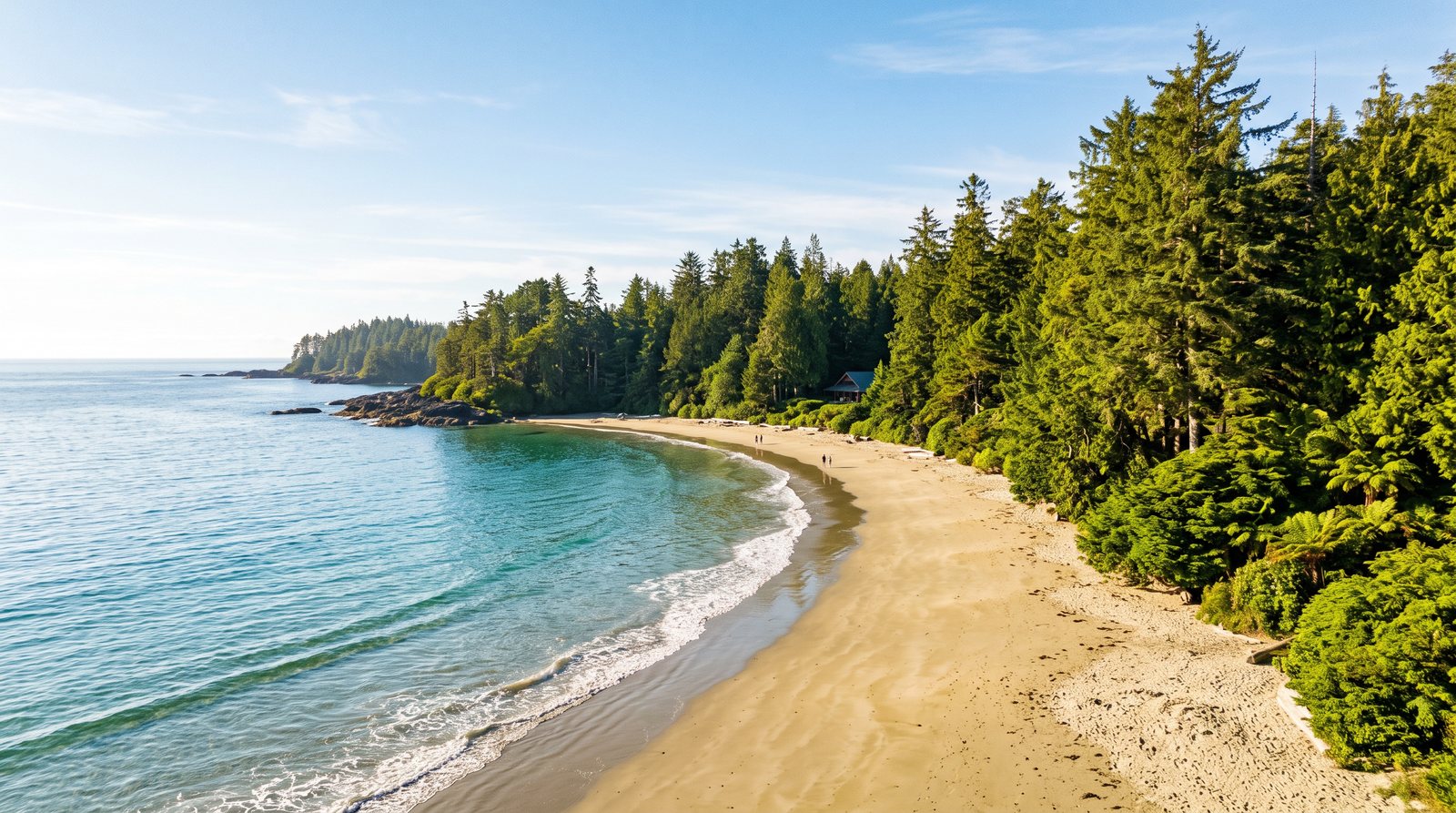
Coffs Harbour occupies a singular position on the Mid North Coast of New South Wales, bridging the subtropical north and temperate south. Defined by the proximity of the Great Dividing Range to the Pacific, this landscape creates a fertile strip characterized by high rainfall and lush vegetation. As the first certified ECO Destination in New South Wales, the city has transitioned to a focal point for sustainable tourism. This reflects a commitment to preserving ecosystems, from hinterland rainforests to the protected marine park. It recognizes the area’s natural value and efforts to manage growth sustainably. Visitors find a destination that prioritizes ecological integrity, offering experiences grounded in the authentic character of the land and sea.
The coastline is a sequence of golden beaches, rocky headlands, and sheltered estuaries, each offering a different perspective on the Pacific. Diggers Beach remains a local favorite for its consistent surf breaks and the protective embrace of surrounding hills. To the south, the historic Jetty area serves as the social heart, where the old pier recalls the city’s industrial shipping past. Today, the Jetty is a place of recreation, where calm waters provide a safe haven for swimming and paddleboarding. The nearby marina serves as the gateway to offshore islands, hosting divers and whale watchers. This coastal fringe is a dynamic environment where the land is constantly reshaped by tides and wind, creating a landscape that feels both ancient and perpetually new.
Stretching seventy-five kilometers along the coast, the Solitary Islands Marine Park is one of Australia’s most significant marine sanctuaries. Here, the warm East Australian Current meets cooler temperate waters, creating a rare underwater crossroads where tropical and temperate species coexist. This convergence results in extraordinary biodiversity, with over six hundred fish species and dozens of coral types. The islands, such as South Solitary with its historic lighthouse, provide critical habitat for seabirds and marine mammals. For divers, the marine park offers a window into anemone-covered reefs and migrating humpback whales. The sanctuary’s zoning system protects sensitive areas while allowing for sustainable recreational use. The health of the marine park is a primary indicator of the region’s overall environmental wellbeing and conservation success.
Connected to the mainland by a breakwater, Muttonbird Island Nature Reserve, or Giidany Miirlarl, is a site of immense ecological and cultural importance. The island is a major breeding ground for the wedge-tailed shearwater, which travels across the Pacific to return to its burrow on this rocky outcrop. During breeding season, the island is alive with the sounds of thousands of birds, and the summit walking track offers a rare opportunity to witness this natural spectacle without disturbing nesting sites. From the lookout, panoramic views of the Coffs Coast and Solitary Islands provide a sense of the marine environment's scale. The island also serves as a reminder of the connection between the land and the sky, as migratory patterns have been observed by Gumbaynggirr people for millennia.
The cultural landscape is inextricably linked to the Gumbaynggirr people, the traditional custodians whose connection to the country spans tens of thousands of years. Their stories are woven into the geography, from hinterland peaks to ocean depths. The name Giidany Miirlarl reflects the island’s role as a place of the moon, a sacred site in Gumbaynggirr cosmology. Throughout the region, initiatives share this ancient knowledge with visitors, fostering a deeper understanding of the natural world's cultural significance. This recognizes the Gumbaynggirr people’s ongoing role in caring for the country. Collaborative management of national parks and the incorporation of traditional ecological knowledge are key components of the region’s ECO Destination status. By engaging with this heritage, visitors gain a profound appreciation for the land as a living cultural entity.
Rising steeply behind the coastal plain, the Orara East State Forest offers a dramatic contrast to the seaside environment. The Forest Sky Pier at Sealy Lookout provides a breathtaking vantage point, extending over the canopy to offer views from the hinterland ranges to the Pacific. The forest is a mosaic of subtropical rainforest and tall eucalypt stands, home to wildlife including koalas and powerful owls. Walking trails like the Gumgali Track immerse visitors in the bush, with interpretive signage telling Gumbaynggirr stories. The forest is managed for both timber production and conservation, demonstrating a model of sustainable land use that supports the local economy while protecting vital habitats. The transition from the salt air of the coast to the cool, damp forest atmosphere highlights the region’s remarkable environmental diversity.
Beyond natural attractions, the character of Coffs Harbour is shaped by vibrant local communities and their relationship with the environment. The city’s markets, held at the historic Jetty, showcase the region’s agricultural wealth, from bananas to a new generation of organic produce. This focus on local provenance is a key element of sustainability, reducing food miles and supporting small-scale producers committed to regenerative practices. The hospitality sector has embraced this ethos, with many cafes prioritizing seasonal, locally sourced ingredients. This community-driven approach ensures that the benefits of ECO Destination certification are shared widely, fostering pride and ownership among residents. It is this combination of professional environmental management and grassroots engagement that makes Coffs Harbour a resilient destination. The local economy is increasingly defined by its ability to turn conservation into a shared cultural value.
As Coffs Harbour evolves, the challenge lies in balancing tourism with the need to protect the assets that make the region attractive. The ECO Destination certification provides a framework for this balance, encouraging travel that is respectful and sustainable. It recognizes that long-term prosperity depends on the health of ecosystems and the integrity of cultural heritage. For the visitor, this means an opportunity to engage with a landscape being actively cared for. Whether through participating in a guided Aboriginal tour or choosing eco-certified accommodation, every action counts. Coffs Harbour stands as a testament to what is achieved when a community values its natural world, offering a vision where tourism and conservation are mutually reinforcing. In the morning light at Diggers Beach or the cool depths of the Orara rainforest, the success of this vision is evident.