National park
Ancient Gondwana rainforest canopies and misty waterfall trails in Dorrigo National Park
A World Heritage-listed sanctuary where ancient Gondwana rainforests meet dramatic escarpments, Dorrigo National Park offers a profound journey through prehistoric wilderness, from elevated skywalks to the mist-shrouded depths of waterfall trails.
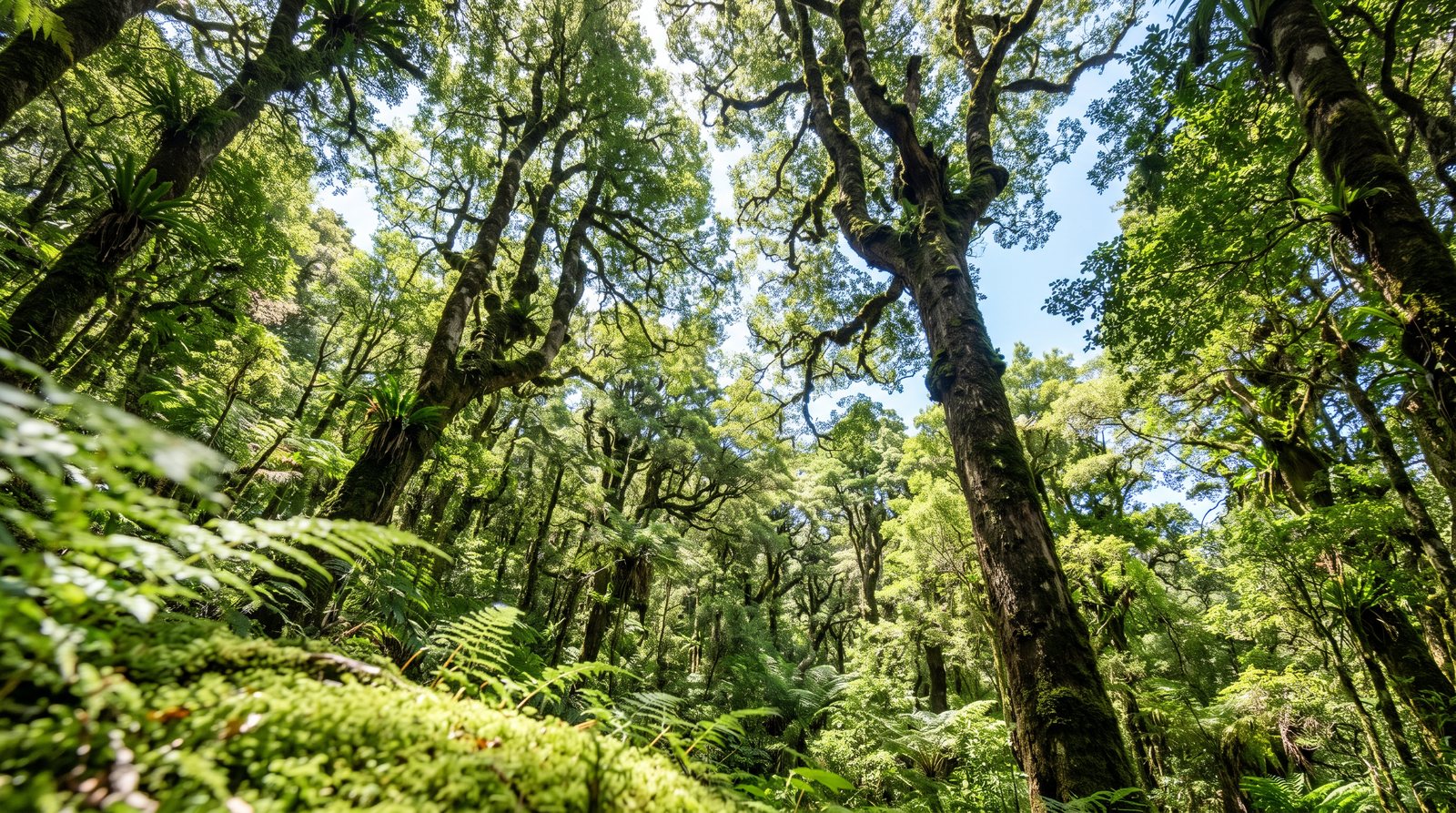
Dorrigo National Park is a profound testament to the enduring power of the natural world, a World Heritage-listed sanctuary preserving ancient Gondwana rainforests on Australia’s North Coast. Situated on the edge of the Great Dividing Range, the park protects a lineage of plants and animals dating back to the breakup of the supercontinent Gondwana. The air here is thick with the scent of damp earth and decaying leaves, a perfume lingering in these valleys for millions of years. This park is not merely a collection of trees and waterfalls; it is a living museum of the earth’s prehistoric past. Visitors journeying to this high-altitude plateau are invited to step out of modern life’s frantic pace and into a landscape moving according to the slow, deliberate rhythms of geological time.
The most immediate introduction to the park’s grandeur is the Skywalk lookout, an elevated platform extending over the Dorrigo escarpment’s edge. From this vantage point, the sheer scale of the rainforest becomes apparent as the emerald canopy stretches toward the hazy blue line of the Pacific Ocean. The Skywalk provides a unique perspective on the vertical complexity of the forest, allowing visitors to look down upon the crowns of giant trees that have stood for centuries. It is a place of transition, where the plateau’s open skies meet the dense, mysterious depths of the wilderness below. On clear days, the view extends to the coast, emphasizing the park's isolation as a high-altitude refuge for species unable to survive in warmer lowlands.
Descending from the heights, the Wonga Walk offers an intimate encounter with the rainforest interior. This iconic trail winds through spectacular sections of the park, leading hikers beneath a canopy of ancient Antarctic Beech and towering rosewoods. The walk is a sensory experience, where the sound of footsteps is often drowned out by the persistent drip of moisture and the sudden, melodic calls of hidden birds. The path is lined with a dense undergrowth of ferns, mosses, and epiphytes, each competing for a sliver of sunlight. As the trail meanders deeper into the valley, the temperature drops and the air becomes noticeably cooler, creating a microclimate that allowed these prehistoric plant communities to thrive while much of the continent became arid.
A highlight of the Wonga Walk is Crystal Shower Falls, a waterfall offering a rare opportunity to walk behind a curtain of falling water. The falls are reached via a suspension bridge swaying over the rocky creek bed, providing a dramatic view of the water plunging into a deep, fern-fringed pool. A narrow path leads behind the main cascade, where the roar of the water becomes a physical presence and the air is filled with a fine, refreshing mist. From this hidden alcove, the world outside appears as a blurred tapestry of green and white, a secret perspective highlighting the power of the park’s hydrologic systems. The constant presence of water is the lifeblood of Dorrigo, fueling the growth of lush vegetation and maintaining the high humidity required by sensitive species.
The botanical diversity of Dorrigo is a primary reason for its World Heritage status, particularly its role as a stronghold for the Antarctic Beech. These ancient trees, with gnarled trunks and moss-covered roots, are direct descendants of the forests that once covered much of Gondwana. Many individual trees in the park are hundreds of years old, having survived countless storms and seasonal changes. They form the backbone of the forest structure, providing habitat for a vast array of other plants and animals. The forest floor is a complex mosaic of life, where fallen logs become nurseries for new seedlings and fungi break down organic matter to recycle nutrients back into the rich basalt soil. This cycle of growth and decay is fundamental to the health of the ecosystem.
Dorrigo is also a paradise for birdwatchers, home to avian species endemic to the rainforests of eastern Australia. The superb lyrebird is a frequent resident, known for its incredible ability to mimic the sounds of other birds and even human-made noises. During the breeding season, the male’s elaborate displays and complex songs echo through the valleys, a reminder of the sophisticated social lives of these forest dwellers. Other notable species include the vibrant regent bowerbird and the wompoo fruit-dove, whose deep, booming call is a characteristic sound of the canopy. These birds play a crucial role in the forest’s ecology by dispersing seeds, ensuring the continued regeneration of the diverse plant communities that sustain them.
The landscape of Dorrigo resulted from a dramatic geological history, shaped by the Ebor Volcano millions of years ago. The rich, red basalt soils covering the plateau are the legacy of ancient lava flows, providing the nutrient levels necessary to support such a dense rainforest. Over eons, the forces of erosion carved deep valleys and dramatic escarpments into the volcanic rock, creating the rugged topography defining the park today. The interaction between geology, climate, and biology has resulted in a unique environment serving as a critical refuge for biodiversity. The steep terrain also played a role in protecting the forest from human interference, allowing large tracts of primary rainforest to remain intact.
Access to this wilderness is provided by the Waterfall Way, a scenic drive winding from the coastal plains up onto the New England Tableland. This route is considered one of the most beautiful drives in Australia, offering glimpses of numerous waterfalls and dramatic mountain scenery. The journey to Dorrigo is an essential part of the experience, as the landscape transitions from the agricultural fringes of the coast into the wild, forested heart of the Great Dividing Range. The Waterfall Way not only connects the park to the wider region but also serves as a gateway for visitors to explore the natural wonders of the North Coast hinterland. It is a reminder that Dorrigo is part of a larger, interconnected network of ecosystems.
As environmental pressures increase, the importance of places like Dorrigo National Park only grows. These ancient forests are not just beautiful landscapes; they are vital carbon sinks and critical reservoirs of genetic diversity. The park serves as a living laboratory for scientists studying climate change impacts and the resilience of natural systems. For the visitor, it offers a sense of wonder and a connection to a world existing long before humans arrived. The preservation of Dorrigo is a commitment to the past and a gift to the future, a promise that the misty trails and ancient canopies will continue to inspire all who venture into their depths. By protecting these prehistoric remnants, we ensure that the story of Gondwana remains a living reality.