National park
Ancient volcanic peaks and mist-shrouded rainforests within a sub-alpine wilderness plateau
Rising from sea level to sub-alpine heights, Barrington Tops protects ancient Antarctic Beech forests and volcanic peaks. This World Heritage-listed wilderness offers a profound connection to Australia’s deep natural history through its misty trails.
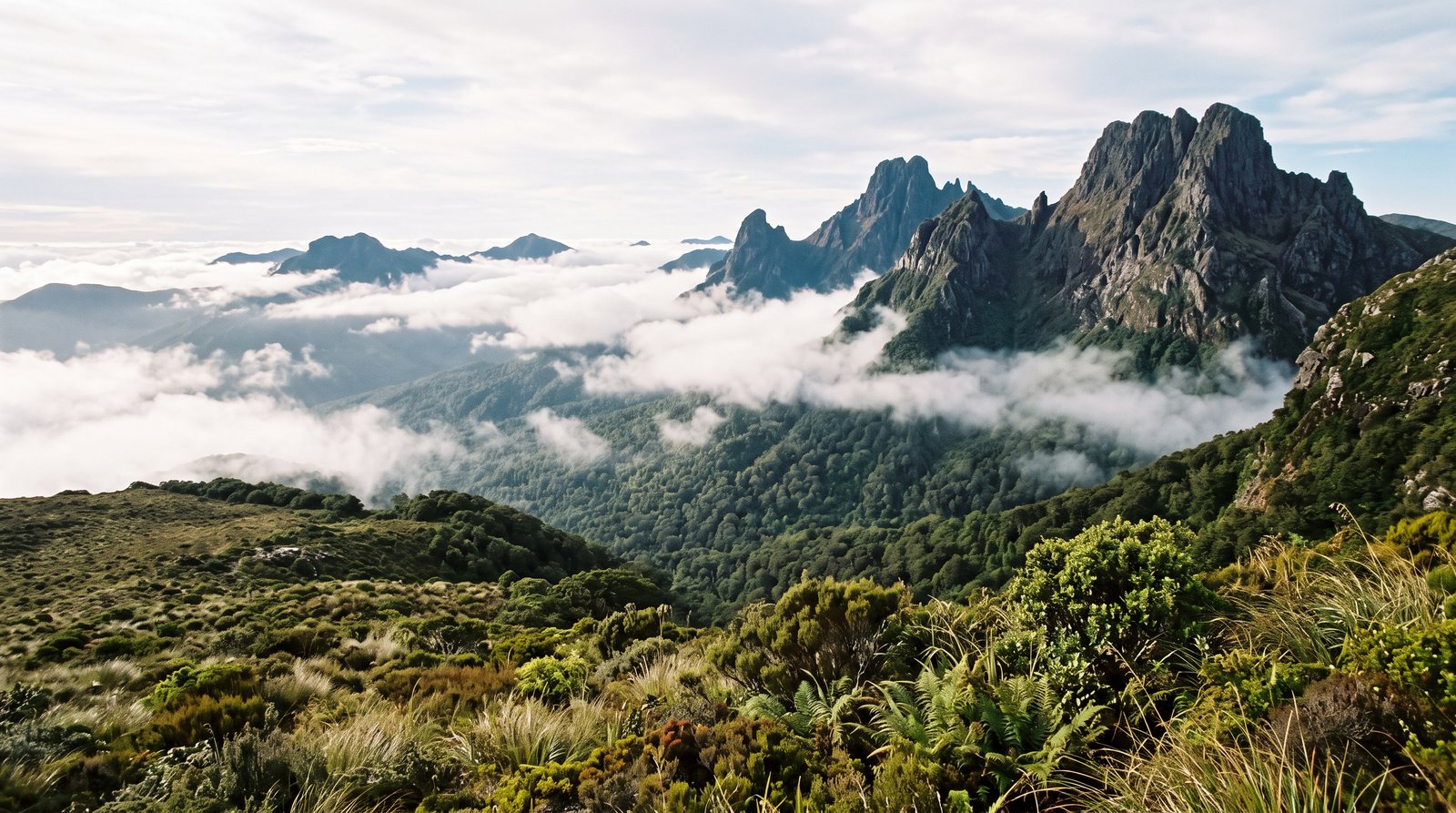
Barrington Tops National Park stands as a monumental testament to the enduring power of Australia's natural heritage in the Hunter region. As a cornerstone of the World Heritage-listed Gondwana Rainforests, this expansive wilderness encompasses a dramatic range of elevations, rising sharply from coastal lowlands to a sub-alpine plateau reaching over 1,500 metres. This topographical diversity creates a unique mosaic of ecosystems, where subtropical rainforests give way to temperate forests and eventually to the rugged landscapes of the plateau. The park serves as a sanctuary for a vast array of flora and fauna, offering a living laboratory for understanding biological evolution.
The geological foundation of Barrington Tops is rooted in a violent volcanic past, with the plateau being the remnant of a massive shield volcano that erupted approximately 40 to 50 million years ago. Over eons, the relentless forces of erosion have carved the basalt and granite into the dramatic escarpments and jagged peaks that define the park's skyline. These unique volcanic formations provide the structural backbone for the diverse habitats found within the park, influencing the soil composition and water drainage patterns that sustain the lush vegetation.
One of the most evocative features of Barrington Tops is its ancient Antarctic Beech forests, which are considered living fossils of the Gondwanan era. These gnarled, moss-covered trees, known as Nothofagus moorei, thrive in the cool, moist conditions of the park's higher elevations, often shrouded in a persistent mountain mist that lends the forest an ethereal quality. Walking beneath their dense canopy, visitors encounter a landscape that feels prehistoric, with massive trunks adorned with ferns and epiphytes. These forests are a complex ecosystem that has survived for millions of years, providing a vital link to the temperate rainforests that once covered much of the southern hemisphere. The silence of the beech forest creates a sense of reverence for these ancient sentinels.
As one ascends further onto the sub-alpine plateau, the lush rainforest gives way to a more rugged and resilient landscape dominated by snow gums and open woodlands. This high-altitude wilderness is characterized by its cool climate and unpredictable weather, where frost and snow are common occurrences during the winter months. The snow gums, with their strikingly patterned bark and twisted forms, are perfectly adapted to the harsh conditions, standing in stark contrast to the deep greens of the rainforest below. This plateau represents one of the largest temperate rainforest systems in mainland Australia, offering a unique environment that is both beautiful and unforgiving. The open heaths and wetlands of the plateau are home to a variety of specialized plant species found nowhere else.
For the adventurous visitor, Barrington Tops offers an network of walking trails that traverse its diverse landscapes, providing intimate access to its hidden wonders. The Antarctic Beech Forest walking track is a highlight, leading hikers through the heart of the ancient forest where sunlight filters through the canopy in dappled patterns, illuminating the vibrant mosses and ferns that carpet the forest floor. Other trails lead to dramatic lookouts, such as Careys Peak, which offers panoramic views across the Hunter Valley and toward the distant coast. Along these paths, visitors may discover hidden waterfalls cascading over basalt cliffs, their crystal-clear waters feeding the rivers that sustain the surrounding regions. Each trail offers a different perspective on the park's beauty, encouraging a slow and attentive exploration.
The park's status as a World Heritage site is a reflection of its extraordinary biodiversity, protecting a wide range of rare and threatened species that rely on its undisturbed habitats. From the elusive spotted-tailed quoll to the vibrant crimson rosella, the wildlife of Barrington Tops is as varied as the landscape itself. The park's diverse forest types, including subtropical, warm temperate, cool temperate, and dry rainforests, provide a sanctuary for a multitude of bird species, making it a premier destination for birdwatchers. The intricate web of life within the park is a reminder of the importance of large, connected wilderness areas in maintaining ecological health. By protecting these ancient forests, we are ensuring the survival of species that have existed for millennia, preserving Australia's natural legacy.
Camping within Barrington Tops National Park offers a profound opportunity to immerse oneself in the tranquility of the Australian bush, away from the noise and light of modern life. Sites like Polblue Campground, situated on the high plateau, allow visitors to sleep beneath the stars and wake to the crisp morning air of the sub-alpine wilderness. The experience of sitting by a campfire as the sun sets over the snow gums is one of quiet reflection, fostering a deep connection to the land and its history. However, the park's remote and high-altitude nature requires careful preparation, as conditions can change rapidly and temperatures can drop significantly overnight. Visitors are encouraged to follow the principles of minimal impact camping to ensure that the park remains pristine for future generations.
The character of Barrington Tops shifts dramatically with the passing of the seasons, each bringing its own unique beauty and challenges to the landscape. In spring, the forest floor comes alive with a carpet of wildflowers, and the mist of the morning creates a soft, romantic atmosphere. Summer offers a cool retreat from the heat of the lowlands, with the dense canopy providing shade and the mountain streams offering a refreshing escape. Autumn brings a subtle change in color as the deciduous elements of the forest prepare for the colder months, while winter transforms the plateau into a snowy wonderland. This seasonal cycle is a fundamental part of the park's ecology, influencing the life cycles of its plants and animals. It is also a time for caution, as high-altitude roads frequently close.
In conclusion, Barrington Tops National Park is a place of profound natural beauty and historical significance, offering a rare glimpse into Australia's ancient past. Its volcanic peaks, mist-shrouded rainforests, and sub-alpine plateaus form a landscape that is both majestic and fragile, requiring ongoing care and protection. As part of the Gondwana Rainforests of Australia, it stands as a global treasure, a sanctuary for life that has endured through eons of change. For the visitor, it is a place of discovery and renewal, where the scale of the wilderness and the detail of the ancient forest combine to create a lasting impression. By valuing and preserving this extraordinary park, we are not only protecting a vital ecosystem but also honoring the deep history of the land itself for the future.