Coastal city
Where historic architecture and golden beaches meet a thriving creative scene
Australia’s second-oldest city blends industrial heritage with a refined creative scene. From the historic ocean baths to the poignant ANZAC Memorial Walk, Newcastle offers a sophisticated coastal escape where modern energy meets deep industrial roots.
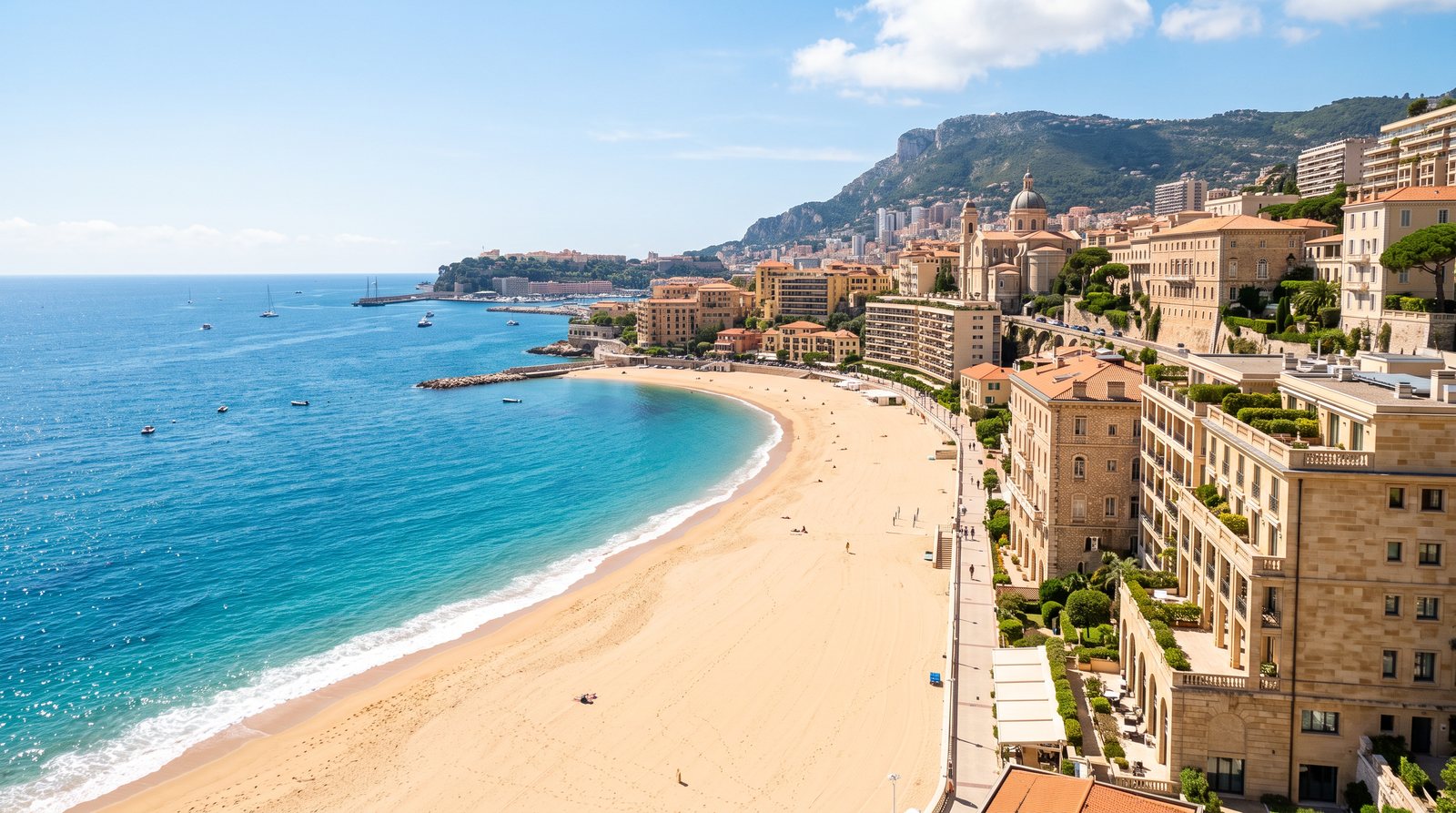
Newcastle, Australia’s second-oldest city, occupies a unique position where industrial weight meets fluid, creative energy. Situated on the North Coast of New South Wales, it is defined by dualities: the rigid geometry of historic architecture against shifting golden sands, and a heritage as a global coal port evolving into a sophisticated hub of boutique galleries and refined dining. This transition is a profound cultural recalibration. The city has preserved its industrial soul while making room for a modern metropolitan energy that feels both local and expansive. To walk through Newcastle is to witness a landscape in the midst of a considered transformation, where nineteenth-century remains provide the foundation for a thriving contemporary scene.
The Bathers Way, a scenic coastal walk stretching from Merewether to Nobbys Head, serves as the city’s most vital public artery. Here, the relationship between the urban environment and the Pacific Ocean is clearly articulated. The path offers a continuous narrative of the coastline, punctuated by dramatic cliffs and the rhythmic pulse of the surf. For residents and visitors, this route is more than a recreational trail; it is a space where social and natural rhythms intersect. The golden beaches fringing the coast are not just aesthetic assets but active participants in daily life. They provide a sense of scale and perspective that tempers urban density, reminding observers that Newcastle is a coastal sanctuary defined by the elements.
Memory is woven into the city’s infrastructure, most poignantly at the ANZAC Memorial Walk. This winding steel bridge, perched above the cliffs at Memorial Drive, commemorates the centenary of the ANZAC landing and the commencement of local steel making. The structure is a marvel of engineering, its weathered steel frame echoing the industrial materials that built the city’s wealth. As it curves along the coastline, it offers panoramic views of Nobbys Head lighthouse and the vast Pacific. The walk functions as a site of reflection, where personal sacrifices are honored within a landscape of immense natural beauty. It is a place where history is integrated into the act of moving through the city.
The architectural character of Newcastle is a dialogue between eras. In the city center, historic sandstone buildings stand as monuments to colonial expansion and maritime prosperity. These structures, with ornate facades and solid proportions, provide a sense of permanence. However, this heritage is increasingly engaged by modern design. Industrial roots are visible in repurposed warehouses that now house creative studios, cafes, and residential lofts. The harbourside precinct, once dominated by utilitarian structures, has been reimagined as a vibrant metropolitan zone. This layering of old and new creates a visual complexity that rewards the attentive visitor, suggesting that the city’s identity is constantly being negotiated through its built form.
A thriving creative scene has emerged from this industrial foundation, turning Newcastle into a significant center for the arts. Boutique galleries and independent workshops have proliferated, often occupying spaces that were once part of the city’s commercial machinery. This creative pulse is driven by makers and thinkers who value the city’s grit as much as its beauty. The galleries do not feel like sealed display cases; they are often connected to the street, functioning as neighborhood newsrooms where local culture is actively displayed. This artistic energy is not an external addition but a natural outgrowth of the city’s resilience, reflecting a desire to interpret the landscape through new, contemporary lenses.
The dining culture in Newcastle has undergone a similar refinement, reflecting a sophisticated engagement with local produce and coastal identity. The harbourside precinct and surrounding suburbs are home to a diverse array of restaurants that prioritize traceability and seasonal ingredients. This is not hospitality for consumption, but a considered form of service that values the story behind the plate. Whether it is a small roaster in a side street or an oceanfront restaurant overlooking the surf, the focus is on quality and connection. The city’s food scene has become a social circuit where the traditions of the pantry meet the innovations of the modern kitchen, providing a culinary map as textured as the city itself.
Public infrastructure in Newcastle often takes a spectacular form, particularly in its historic ocean baths. The Merewether Ocean Baths and the Bogey Hole are iconic examples of how the city has carved spaces for public leisure directly from coastal rock. These baths offer a unique sensory experience, where the controlled environment of the pool is challenged by the unpredictable energy of the ocean. They are sites of shared ritual, where people gather to swim and watch the tide. This tradition of "waiting well" by the water is central to the Newcastle experience. It highlights the importance of public spaces that are free, accessible, and deeply connected to the natural environment, fostering a durable community.
The harbourside remains the city’s most dynamic zone, where the working port and leisure precinct exist in productive tension. From the waterfront, one can witness the scale of the global economy as massive coal ships navigate the narrow channel, their dark hulls contrasting with the bright sails of yachts. This is the modern metropolitan energy of Newcastle: a city that facilitates global trade while cultivating a high quality of urban life. The foreshore parks provide a front-row seat to this spectacle, allowing the public to engage with industrial reality without being overwhelmed. It is a reminder that Newcastle’s prosperity has always been tied to the water, and its future remains inextricably linked to the harbour.
Ultimately, Newcastle is a destination that rewards a considered visit. It is not a city that reveals itself all at once; rather, it requires the visitor to give the landscape, local culture, and heritage setting enough time to show their character. Whether exploring the hidden corners of a boutique gallery, walking the exposed coastal paths of the Bathers Way, or sitting by the water at sunset, there is a sense of being in a place that knows its own mind. The city’s evolution from an industrial powerhouse to a sophisticated coastal center is a testament to its resilience. Newcastle stands as a compelling example of how a city can honor its history while embracing the creative possibilities of the future.