River town
Unwind in a riverside sanctuary where heritage trails meet vibrant aquatic adventures
Along the winding banks of the Edward River, Deniliquin emerges as a sanctuary where ancient river red gum forests meet a vibrant heritage of pastoral innovation and aquatic adventure, offering a profound connection to the heart of the Murray region.
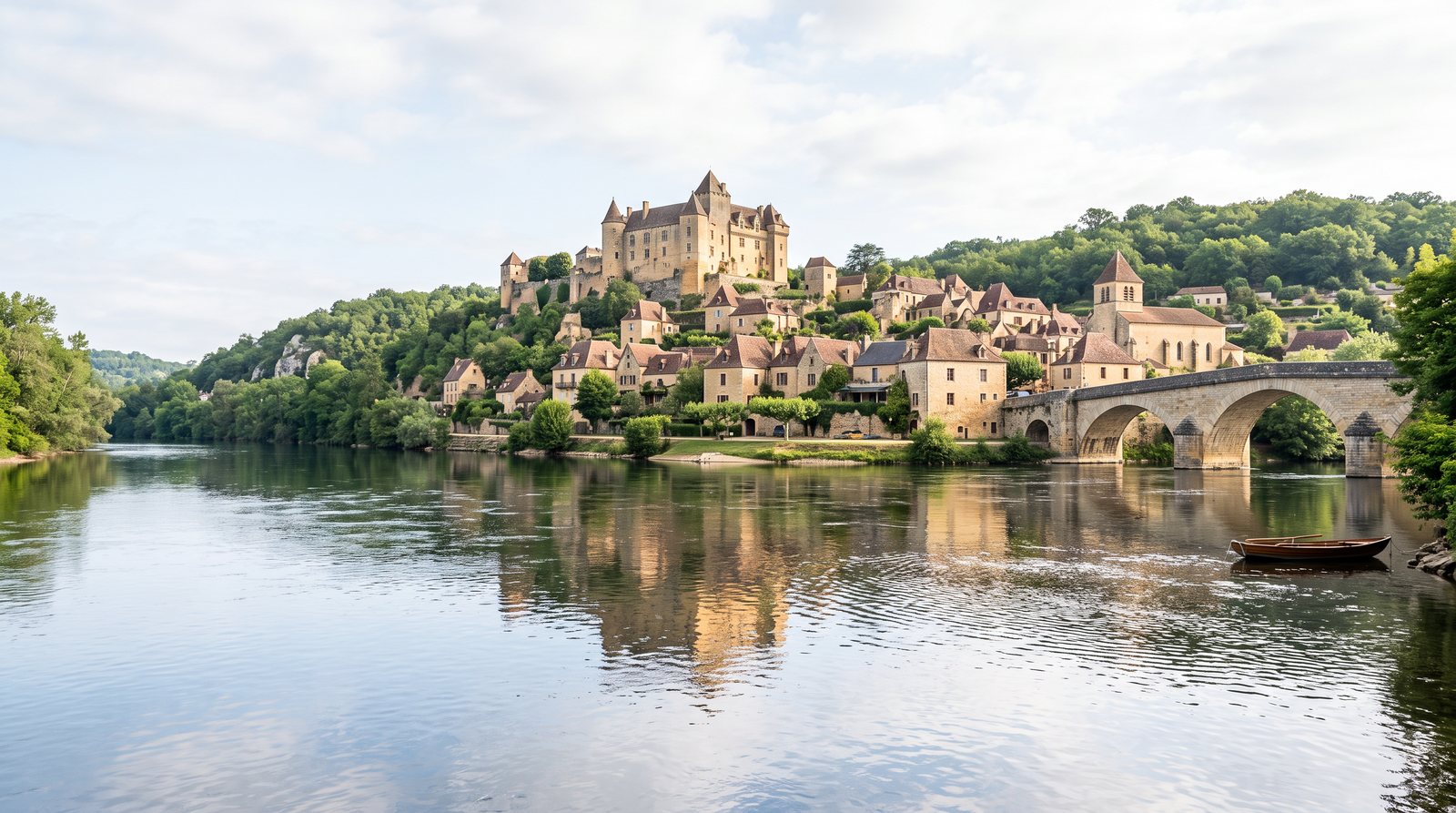
Deniliquin, a town defined by the gentle curves of the Edward River, serves as a serene gateway to the Murray region’s diverse natural and cultural landscapes. Known locally as "Deni," the township is built upon the traditional lands of the Wamba Wamba Perrepa Perrepa People, who have maintained a deep connection to the Kolety—the traditional name for the Edward River—for thousands of years. As a Murray River anabranch, the Edward provides a unique hydrological environment, winding through ancient floodplains and sustaining an ecosystem that has shaped the town’s identity from a river crossing to a premier destination for inland recreation. The rhythm of life here is dictated by the water, which flows steadily past sandy river beaches and under the canopy of towering trees, creating a sanctuary that feels both secluded and deeply connected to the wider Australian story.
The landscape surrounding Deniliquin is dominated by the majestic river red gum forests of the Murray Valley National Park, which forms part of the largest continuous red gum forest in the world. These ancient trees, some of which have stood for centuries, are not merely a backdrop but a living testament to the region’s environmental history. Their massive, gnarled trunks provide essential habitat for a vast array of wildlife, including over sixty species of threatened native plants and animals. The forest floor, often enriched by the periodic flooding of the Edward River, supports a complex network of wetlands that are recognized under the Ramsar Convention for their international significance. For visitors, walking through these forests offers a profound sense of scale and stillness, where the rustle of leaves and the calls of resident birdlife replace the noise of urban life, inviting a deeper appreciation for the resilience of the Australian bush.
The Edward River itself is an aquatic playground that draws enthusiasts from across the country, particularly those seeking the thrill of waterskiing or the quiet patience of fishing. The river’s calm, reflective reaches are ideal for wakeboarding and boating, with dedicated ski zones ensuring that high-energy sports can coexist with more tranquil pursuits. Anglers are frequently found along the banks or in small boats, casting for the legendary Murray Cod, a prized native fish that thrives in the snag-filled waters of the anabranch. The river’s accessibility is a great asset, with sandy spots like McLean Beach offering a place for families to swim and picnic near the town center. This blend of high-octane adventure and relaxed riverside living makes Deniliquin a versatile destination, where the water serves as a shared stage for both sport and solace.
The history of Deniliquin is inextricably linked to its position as a strategic crossing point for livestock and travelers. Established in the mid-19th century, the town grew as a vital link between the pastoral holdings of the Riverina and the markets of Melbourne. The Deniliquin and District Historical Society preserves this legacy, housing a collection that includes historical photos, newspapers dating back to 1859, and artifacts from the town’s early industrial and social life. The Peppin Heritage Centre, located in the beautifully restored 1879 Deniliquin Public School building, serves as a focal point for understanding the town’s development. It tells the story of how the region’s unique geography and climate influenced the growth of a community that was both isolated and influential, carving a permanent place in the agricultural and social history of New South Wales.
Perhaps Deniliquin’s most significant contribution to the Australian economy is its role in the development of the Peppin Merino sheep. In the late 19th century, the Peppin family at Wanganella Station, just north of the town, began breeding a sheep that could withstand the harsh conditions of the Australian interior while producing high-quality wool. The result was the Peppin Merino, a breed that now accounts for a significant portion of the Australian sheep flock. This legacy of innovation is celebrated at the Peppin Heritage Centre, where visitors can learn about the "sheep that built a nation." The town’s agricultural roots remain strong today, with the surrounding plains producing a variety of crops and sustaining a pastoral industry that continues to underpin the local economy. This connection to the land is a source of pride for the community, reflecting a history of perseverance and adaptation.
In more recent decades, Deniliquin has gained international fame as the "Ute Capital of the World," a title solidified by the annual Deni Ute Muster. What began as a community effort to celebrate the iconic Australian utility vehicle has grown into a massive festival that attracts tens of thousands of visitors every October. The event is a spectacular display of country hospitality, featuring music, rodeo events, and, of course, thousands of utes gathered in a massive paddock. The Ute Muster HQ and the "Ute on a Pole" monument in the town center serve as year-round reminders of this cultural phenomenon. Beyond the festival, Deniliquin’s social life is characterized by a warm, welcoming atmosphere, where local pubs, cafes, and galleries offer a taste of the relaxed Riverina lifestyle. It is a place where tradition and modern celebration meet, creating a vibrant community spirit palpable to every visitor.
For those seeking a closer encounter with the region’s biodiversity, the Island Sanctuary offers a unique opportunity to see Australian wildlife in a natural setting right on the edge of the town. This tranquil area, accessible via a footbridge from the town center, is home to a resident population of kangaroos and emus, as well as a diverse range of bird species. The sanctuary’s walking trails wind through river red gums and past quiet lagoons, providing a sanctuary for both animals and people. It is a particularly popular spot for birdwatchers, who come to see kookaburras, cockatoos, and the occasional tawny frogmouth. The sanctuary highlights the town’s commitment to preserving its natural heritage, ensuring the wild heart of the river remains protected and accessible for future generations.
Ultimately, Deniliquin is a destination that rewards those who take the time to slow down and explore its many layers. Whether it is through the lens of its ancient Aboriginal heritage, its pivotal role in the Australian wool industry, or its vibrant modern festivals, the town offers a multifaceted experience grounded in the beauty of the Edward River. The combination of the Murray Valley National Park’s wilderness, the river’s recreational opportunities, and the town’s historical narrative creates a compelling reason to visit. As the sun sets over the river red gums, casting long shadows across the water, it is easy to see why Deniliquin remains a cherished sanctuary for those seeking to unwind and reconnect with the land. It is a place where the past is always present, and the river continues to flow, carrying the stories of Deniliquin into the future.