Regional city
Riverside charm and cultural sophistication in the heart of the fertile Riverina
Wagga Wagga blends historic boulevards with a sophisticated arts scene and the unique inland sands of Wagga Beach. As the heart of the fertile Riverina, it offers a refined gateway to regional vineyards and the ancient Murrumbidgee River.
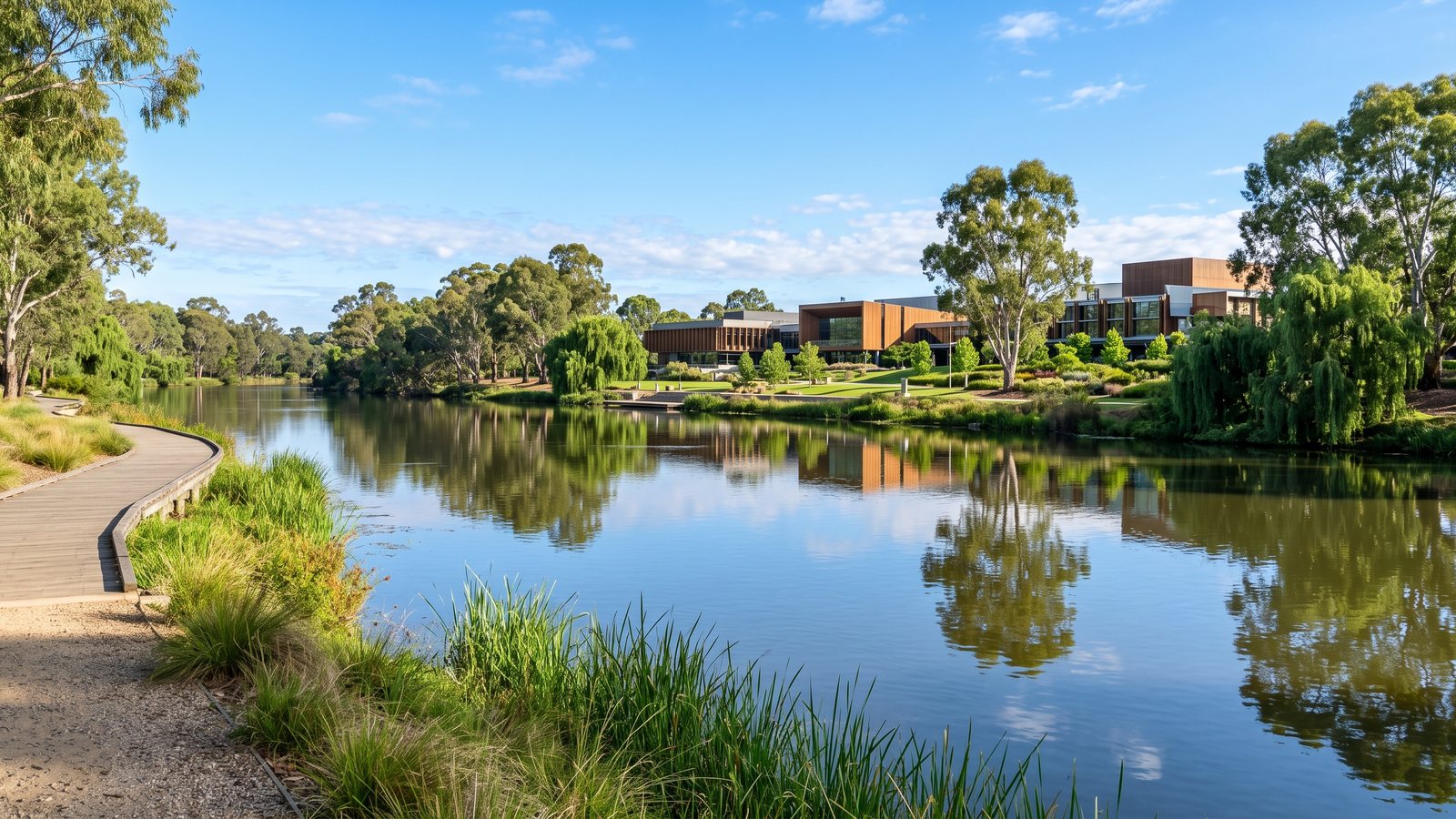
Wagga Wagga stands as the principal urban anchor of the Riverina, a region defined by its agricultural abundance and the steady, winding presence of the Murrumbidgee River. The city’s name, derived from the local Wiradjuri language meaning "place of many crows," hints at a deep history that predates the colonial architecture lining its wide, leafy boulevards. Today, Wagga Wagga functions as a sophisticated regional hub, balancing the industrial requirements of a major agricultural center with a curated cultural life that rivals larger coastal cities. Visitors arriving from the surrounding plains are often struck by the transition from the vast, open horizons of the Riverina to the structured elegance of the city’s grid, where historic sandstone buildings meet modern civic infrastructure. This identity reflects its role as a vital gateway to the inland heart of New South Wales.
The Murrumbidgee River is the definitive geographical feature of Wagga Wagga, providing both a physical boundary and a central site for community life. Unlike many inland cities where the river remains a hidden or industrial utility, Wagga Wagga has embraced its waterway through the creation of Wagga Beach. This inland sandy stretch, located just a short distance from the city center, offers a unique coastal atmosphere in the middle of the country. The river red gums that line the banks are ancient sentinels, their silver-grey bark and twisted limbs providing shade for generations of residents who gather by the water. During the summer months, the beach becomes a focal point for activity, yet it retains a quiet dignity in the early mornings and late afternoons when the light hits the water at a low angle. The river’s flow connects the city to the broader ecosystem of the Murray-Darling Basin.
Cultural sophistication in Wagga Wagga is most visibly represented by the National Art Glass Gallery, a world-class institution housing one of the most significant collections of contemporary art glass in Australia. With approximately 400 pieces in its permanent collection, the gallery showcases the technical precision and creative range of artists working in this demanding medium. The architecture of the gallery itself, part of the larger Civic Centre, uses light and space to highlight the transparency and color of the works on display. From delicate, ethereal sculptures to bold, industrial forms, the collection provides a narrative of how glass has evolved from a functional material into a primary vehicle for artistic expression. The gallery ensures that the innovation of the present is understood within the context of the craft’s heritage.
Complementing the glass collection is the Wagga Wagga Art Gallery, which includes the renowned Margaret Carnegie Print Collection. This archive of over 1,200 prints provides a detailed visual record of Australian art history, featuring works by some of the country’s most significant artists. The gallery’s commitment to printmaking reflects a broader interest in the democratic and accessible nature of art, a theme that resonates with the city’s community-focused character. Beyond these major collections, the local arts scene is vibrant and diverse, supported by smaller galleries and artist-led initiatives that contribute to a sense of ongoing cultural dialogue. This investment in the arts ensures that Wagga Wagga is not merely a place of commerce, but a site where ideas are examined and the regional experience is translated into a visual language that can be shared with the wider world.
The connection to the land and its traditional owners is most profoundly felt along the Wiradjuri Trail, a 42-kilometre loop that circles the entire city. The trail is named in honor of the Wiradjuri people, who have lived in this region for over 40,000 years, and it serves as a physical acknowledgment of their enduring presence. Traversing the trail takes visitors through a variety of landscapes, from the riverbanks and wetlands to the higher ridges that offer panoramic views of the city and the Riverina plains beyond. It is a route that encourages a slower pace, allowing walkers and cyclists to notice the subtle changes in the environment and the layers of history embedded in the terrain. By integrating this extensive trail into the urban fabric, Wagga Wagga provides a space for both recreation and reflection, allowing the community to engage with the natural world and the cultural heritage that defines the region.
The urban design of Wagga Wagga is characterized by its wide, tree-lined boulevards and a wealth of historic architecture that speaks to the city’s prosperity during the late nineteenth century. Walking through the central business district, one encounters a sequence of grand buildings, including the historic post office, which retain their original sandstone facades and ornate details. These structures are not merely relics of the past but continue to serve as functional parts of the city’s daily life, housing offices, shops, and cafes. The leafy canopy provided by the mature plane trees and eucalypts softens the urban environment, creating a sense of scale and comfort. This preservation ensures that Wagga Wagga remains a place of character where the past and present coexist.
As the primary showcase for the "food bowl of Australia," Wagga Wagga’s culinary scene is deeply rooted in the surrounding Riverina landscape. Local menus feature regional beef, lamb, and a diverse array of seasonal produce sourced from nearby farms and orchards. The regional food and wine culture is celebrated through regular farmers' markets and boutique wineries that have earned a reputation for quality and innovation. Visiting a local cellar door or dining in one of the city’s sophisticated restaurants offers a direct connection to the land, where the flavors of the Riverina are presented with contemporary flair. This relationship between the producer and the consumer is a central pillar of the local economy, fostering a sense of pride in the region’s ability to provide high-quality sustenance. This commitment makes the city a premier destination for food and wine enthusiasts.
Nature is further integrated into the city through the Wagga Wagga Botanic Gardens, a sprawling sanctuary that offers a variety of themed landscapes and recreational facilities. The gardens include a zoo and aviary, providing a home for a range of native species and serving as an important educational resource for the community. Curated spaces, such as the camellia garden and the cactus collection, demonstrate a commitment to horticultural diversity and the preservation of plant species that thrive in the regional climate. The gardens are a place of quiet retreat, where the structured beauty of the plantings provides a contrast to the wilder stretches of the Murrumbidgee riverbank. The gardens offer an experience that combines leisure and education. This sanctuary reflects the city's dedication to maintaining green spaces for all.