Ski resort
A secluded alpine sanctuary perched at the roof of Australia
Perched at the highest elevation of any Australian resort, Charlotte Pass offers a rare, car-free sanctuary within the Snowy Mountains. Whether snowbound in winter or blooming with wildflowers in summer, this historic village remains a quiet gateway to the peaks.
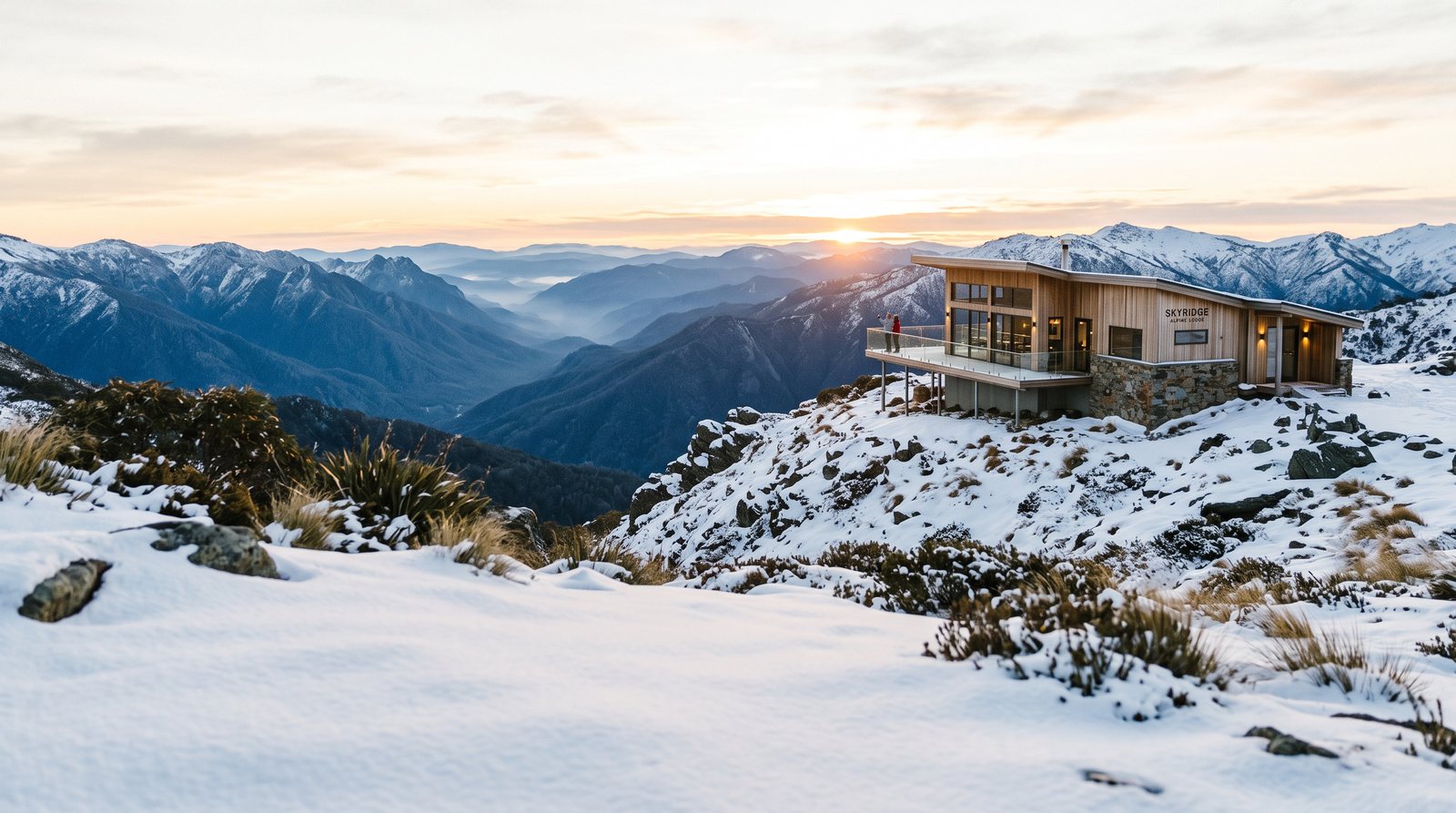
At an elevation of 1,760 metres, Charlotte Pass occupies a position of singular prominence within the Australian landscape. Located deep within the rugged expanse of Kosciuszko National Park, it holds the distinction of being the highest permanent settlement on the continent. The air here is noticeably thinner and sharper, carrying the bracing chill of the high alpine. Surrounded by the majestic peaks of the Main Range, the village serves as a literal roof to the country, offering a perspective on the wilderness that is both expansive and profoundly intimate. The geography of the pass is defined by its relationship to the surrounding mountains, acting as a natural amphitheatre that captures the light in ways that differ significantly from the lower valleys.
The historical significance of Charlotte Pass is as deep as the winter snows that regularly bury its structures. Established in 1930, it is recognized as Australia’s oldest ski resort, a pioneer in the development of alpine tourism. The centerpiece of this history is the Kosciuszko Chalet Hotel, a grand sandstone structure that has survived fire and extreme weather to remain the social and architectural heart of the village. Originally built by the New South Wales government to provide luxury accommodation for early explorers, the Chalet evokes a bygone era of mountain travel. Over the decades, the village has evolved into a cherished sanctuary that preserves the heritage of Australian skiing while maintaining a scale that feels remarkably untouched by modern commercialization.
Winter transforms Charlotte Pass into a snowbound island, a transformation that is its most defining characteristic. During the coldest months, the access road from Perisher Valley is closed to all conventional vehicles, leaving the village entirely car-free and isolated. Arrival is achieved exclusively via oversnow transport—specialized vehicles that traverse the deep drifts to deliver visitors to a landscape where the only sounds are the wind through the snow gums and the soft crunch of boots on fresh powder. This lack of internal combustion engines creates a silence that is rare in the modern world, allowing the natural rhythms of the mountain to take precedence. The intimacy of the village is enhanced by this isolation, fostering a close-knit community atmosphere.
The skiing terrain at Charlotte Pass is characterized by its accessibility and the stunning backdrop of the Main Range. While it may lack the sprawling acreage of its neighbors, it offers a quality of snow and a variety of runs that cater to a dedicated following. Mount Stilwell provides a vantage point from which skiers can look out across the Snowy River toward the formidable silhouettes of Mount Kosciuszko and Mount Townsend. The chutes and bowls of Guthrie’s and the gentle slopes of the Pulsar area provide a diverse range of challenges within a compact footprint. The resort’s high base elevation often results in a more reliable snowpack, providing a consistent surface for those who appreciate the nuances of alpine skiing.
As the winter snows eventually retreat, they reveal a landscape that undergoes a dramatic and vibrant transformation. The transition to summer is marked by the emergence of alpine meadows filled with a resilient array of wildflowers, from the silver snow daisies to the vibrant yellow billy buttons. The white trunks of the snow gums, twisted by years of wind and weight, stand in stark contrast to the lush greens of the recovering earth. The silence of winter is replaced by the trickle of melting snow feeding the headwaters of the Snowy River and the call of high-country birds. This seasonal shift invites hikers and nature enthusiasts who come to witness the fragile beauty of the Australian Alps in their brief growing season.
The most iconic of these summer pursuits is the Mount Kosciuszko Summit walk, a pilgrimage that begins at the very edge of the Charlotte Pass village. This historic trail follows the old road, winding through alpine herbfields and crossing the Snowy River before ascending toward the highest point on the Australian continent. The walk is a study in gradual elevation and changing perspectives, offering glimpses of the jagged peaks of the Main Range and the deep, glacial-carved valleys. Reaching the summit at 2,228 metres provides a sense of achievement grounded in the physical reality of the landscape. From the top, the view stretches across the Victorian Alps, a panoramic reminder of the scale and diversity of the Australian wilderness.
The ecology of Charlotte Pass is a delicate balance of specialized life forms that have adapted to survive in one of Australia’s most extreme environments. The snow gums are the most visible of these, their multi-colored bark and stunted growth forms telling the story of decades spent enduring sub-zero temperatures. Beneath the canopy and among the granite boulders, a hidden world of smaller inhabitants exists, including the rare mountain pygmy-possum, which relies on the boulder fields for hibernation. The alpine bogs and fens act as vital sponges, regulating the flow of water into the river systems that sustain much of southeastern Australia. Understanding the importance of this ecosystem is central to the experience, fostering a sense of stewardship for this majestic landscape.
Architecturally, the village remains anchored by the Kosciuszko Chalet Hotel, complemented by a collection of smaller lodges that maintain a consistent alpine aesthetic. The use of stone, timber, and steeply pitched roofs is a functional response to the heavy snow loads and high winds. Inside these structures, the atmosphere is one of deliberate warmth and communal living. The grand dining rooms and cozy lounges of the Chalet serve as the primary gathering places, where the day’s adventures are recounted over shared meals and the glow of open fires. This social fabric is a vital part of the Pass’s enduring appeal, offering a contrast to the often anonymous experience of larger, more commercial destinations.
In an era of rapid change, Charlotte Pass remains a steadfast guardian of a specific, slower pace of mountain life. It is a place that values the quality of the encounter over the quantity of the facilities, and the depth of history over the novelty of the new. Whether standing on the summit of Kosciuszko in the summer sun or watching the snow fall silently from the windows of the Chalet, the experience is defined by a profound sense of place. The village does not merely occupy the roof of Australia; it honors it by providing a way for people to engage with the high country on its own terms. As a secluded alpine sanctuary, it continues to offer a rare opportunity to step away from the everyday.