National park
Discover alpine wonders and limestone caves in Australia's premier mountain wilderness
Spanning Australia’s highest peaks and ancient limestone labyrinths, Kosciuszko National Park is a sanctuary of alpine resilience. From the glacial lakes of the Main Range to the subterranean warmth of Yarrangobilly, it remains a landscape of profound contrast.
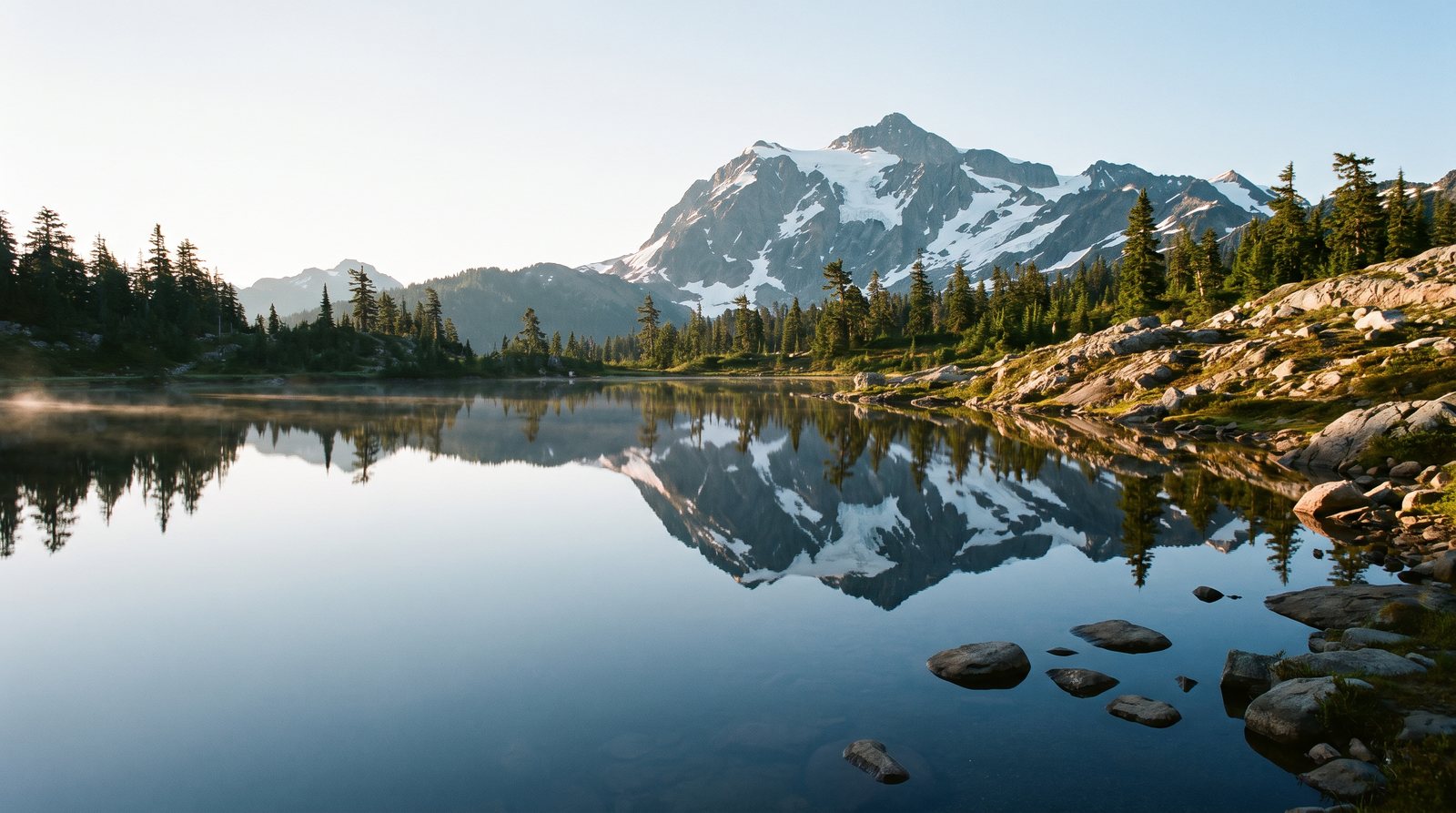
Kosciuszko National Park represents the apex of the Australian continent, a vast wilderness encompassing nearly 7,000 square kilometres of the New South Wales high country. As the crown jewel of the Australian Alps, the park is defined by its dramatic transition from lower eucalypt forests to the rare, wind-swept alpine plateaus existing above the tree line. This landscape was shaped by extreme forces—tectonic uplift, glacial carving, and the persistent cycle of snow and thaw. It serves as both a premier recreation destination and a critical biological refuge, holding ecosystems and species found nowhere else on Earth. The park’s scale allows it to simultaneously host the nation’s busiest ski resorts and remote wilderness areas, offering a profound sense of isolation.
At the heart of the park stands Mount Kosciuszko, which at 2,228 metres is the highest point on the Australian mainland. Kosciuszko is a weathered, rounded mountain, a testament to its immense geological age and the erosive power of time. It was named in 1840 by the Polish explorer Paul Edmund Strzelecki, who noted a resemblance between the mountain and the Kościuszko Mound in Kraków. For modern visitors, reaching the summit is a ritual of passage, achievable via a steady hike from Charlotte Pass or a chairlift-assisted walk from Thredbo. Standing at the stone trig station, one is presented with a panoramic view of the Main Range, where the rolling silhouettes of peaks like Mount Townsend stretch toward the horizon.
Long before European explorers charted these heights, the area held deep spiritual and practical significance for the Ngarigo and Walgalu people. For thousands of years, these traditional custodians moved through the high country, following seasonal cycles that culminated in the annual gathering of the Bogong moth. During summer, millions of moths would migrate to the cool rock crevices of the alpine peaks, providing a rich food source that facilitated large inter-tribal gatherings. These summits were not merely physical landmarks but were woven into a complex tapestry of songlines and oral histories, with names like Kunama Namadgi reflecting a deep connection to the land. Today, the park remains a living cultural landscape where the heritage of the first Australians is increasingly integrated into the management of the wilderness.
One of the park’s most scientifically significant features is its collection of glacial lakes, the only such bodies of water on the Australian mainland. Nestled in the cirques of the Main Range, lakes such as Blue Lake, Lake Cootapatamba, and Lake Albina are remnants of the last glacial period, which ended approximately 10,000 years ago. Blue Lake, the largest of these, is particularly striking for its crystalline water and the sheer granite walls that enclose it. These alpine tarns are fragile environments, susceptible to minor changes in temperature and water chemistry. They serve as sentinel ecosystems, providing researchers with vital data on the historical climate of the continent and the current impacts of global environmental shifts.
The vegetation of the park is a masterclass in evolutionary resilience, featuring species adapted to survive freezing winters and intense ultraviolet radiation. The most iconic is the snow gum (Eucalyptus pauciflora), a hardy tree known for its twisted, multi-coloured bark and ability to withstand heavy snow. As elevation increases, these trees eventually give way to alpine herbfields—a miniature forest of shrubs, grasses, and wildflowers that burst into vibrant display during the short summer thaw. Snow daisies, billy buttons, and mountain gentians transform the landscape into a mosaic of white, gold, and purple. These plants are often low-growing and cushion-like, a strategy to avoid desiccating winds and trap warmth near the ground, creating a micro-climate that supports a diverse array of insect life.
Hidden within these meadows are some of Australia’s most endangered animals, specialized survivors depending entirely on this high-altitude habitat. The Southern Corroboree Frog, with its striking black and yellow stripes, is perhaps the most famous, now teetering on the edge of extinction due to the chytrid fungus and habitat loss. Similarly, the Mountain Pygmy Possum, Australia’s only hibernating marsupial, relies on the boulder fields of the high peaks to find shelter beneath the winter snow. The survival of these species is a central focus of the park’s conservation efforts, which include captive breeding programs and habitat restoration. These animals are the true residents of the high country, their presence a reminder that the park is a vital sanctuary for biological diversity.
In contrast to the exposed heights of the Main Range, the northern section of the park contains the Yarrangobilly Caves, a subterranean world of intricate limestone formations. Formed over 440 million years ago within a belt of ancient coral reef, these caves offer a glimpse into a different geological era. Visitors can explore chambers filled with delicate stalactites and flowstones, such as those found in the Jersey or North Glory caves. Above ground, the area is famous for its natural thermal pool, which remains at a constant 27 degrees Celsius year-round. This geothermal anomaly provides a startling contrast to the surrounding snow-dusted forest, offering a place of warmth in a landscape otherwise defined by its alpine chill.
The park’s character shifts dramatically with the seasons, dictating the rhythm of human activity. In winter, it becomes the Southern Hemisphere’s premier playground for snow sports, with the resorts of Perisher, Thredbo, Charlotte Pass, and Selwyn drawing thousands of visitors. The infrastructure required for this influx is significant, yet much is designed to minimize its footprint on the sensitive environment. As the snow melts, the focus shifts to hiking, mountain biking, and trout fishing in the clear streams that feed the Snowy River. This seasonal duality is also reflected in the history of the Snowy Mountains Scheme, a massive engineering project that harnessed the park’s water for hydroelectric power and irrigation, forever altering the hydrology of the region.
Kosciuszko National Park remains a place of enduring mystery and profound beauty. It is a region where the geological past is visible in every granite boulder and limestone spire, and where the future of many unique species is being decided. Whether standing on the summit of the continent’s highest peak, floating in a thermal pool, or watching the light fade over a glacial lake, the park offers a connection to the natural world that is both humbling and exhilarating. As pressures from climate change and human activity continue to grow, the preservation of this alpine wilderness becomes ever more critical, ensuring that the high country remains a source of scientific insight, cultural heritage, and spiritual renewal for generations to come.