National park
Rugged red cliffs and ancient whale watching heritage at Beowa National Park
Beowa National Park preserves forty-seven kilometres of Sapphire Coast where red cliffs meet deep Thaua heritage. From the Pinnacles to Green Cape Lighthouse, this sanctuary offers a profound encounter with ancient geology and storied whale migrations.
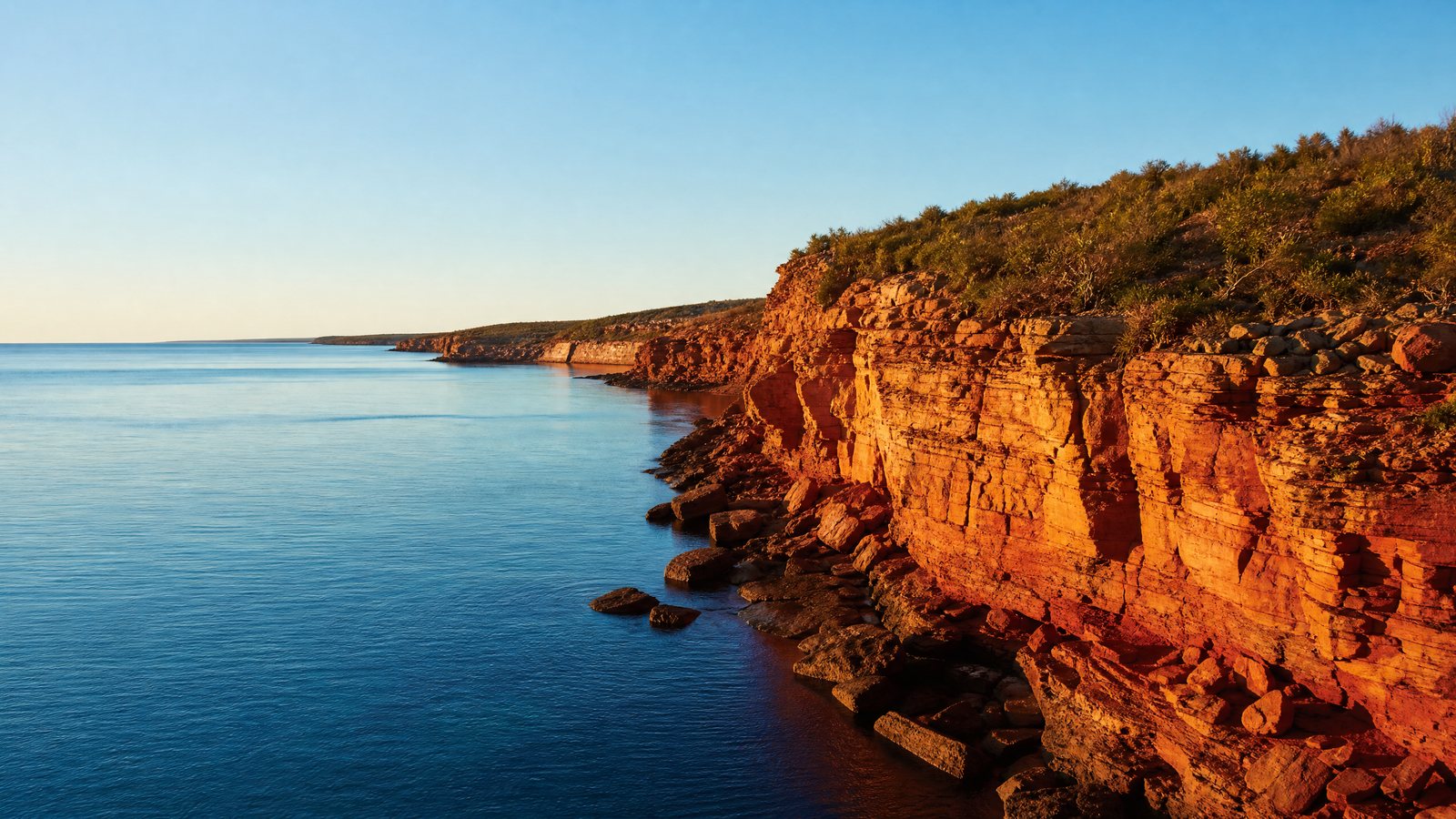
The renaming of the Sapphire Coast’s most prominent wilderness sanctuary from Ben Boyd to Beowa National Park in 2022 represents a profound shift in how the Australian landscape is read. For decades, the park bore the name of an entrepreneur whose legacy was complicated by his involvement in blackbirding. The transition to Beowa, a Thaua word meaning 'orca,' returns the spiritual focus to the traditional custodians. This change acknowledges a deep connection between the Thaua people and the marine life that has defined this coastline for millennia. Stretching across forty-seven kilometres of rugged shoreline near Eden, the park serves as a living archive where geological time, Indigenous heritage, and maritime history are linked. Visitors are invited to look beyond the scenery and consider the layers of human and natural history that have shaped this corner of New South Wales.
One of the most striking visual features of Beowa National Park is the geological formation known as The Pinnacles. These dramatic cliffs are a masterclass in natural contrast, featuring vibrant red and white layers of sandstone and clay exposed by millions of years of erosion. The lower white layer consists of ancient sands deposited when the area was a broad floodplain, while the upper red layer is rich in iron oxide, giving it a rusted, ethereal glow during the golden hour. The fragile nature of these formations means they are constantly reshaped by wind and rain, serving as a reminder of the dynamic forces sculpting the Sapphire Coast. Walking to the lookout, visitors see how the forest gives way to these jagged, multi-hued precipices dropping sharply into the turquoise Pacific. It is a landscape that feels both ancient and remarkably immediate.
For the Thaua people, the landscape of Beowa is saturated with cultural significance predating European arrival by thousands of years. The park contains over fifty recorded Aboriginal sites, including middens and rock shelters that tell a story of sustainable resource management. The Thaua’s relationship with the sea was centered on a unique partnership with the orcas, or 'Beowas,' that migrated past these shores. According to traditional knowledge, the Thaua communicated with the killer whales, who helped herd larger baleen whales into the shallows of Twofold Bay. This symbiotic relationship was built on mutual respect and shared benefit, a concept central to Thaua spirituality. The renaming of the park honors this ancestral bond, ensuring that the story of the killer whales remains at the heart of the region’s identity for future generations.
The cooperative hunting practices between humans and orcas continued into the nineteenth century, forming an extraordinary chapter in maritime history. At the Davidson Whaling Station, located on the shores of the Kiah River, European whalers worked alongside Thaua men and a resident pack of killer whales, most notably the legendary 'Old Tom.' These orcas would alert the whalers to the presence of whales by breaching and tail-slapping, then assist in the hunt by harassing the larger animals until the boats arrived. In exchange, the whalers practiced the 'Law of the Tongue,' allowing the orcas to eat the lips and tongues of the carcasses first. Today, the remains of the whaling station and the nearby Boyd’s Tower stand as silent witnesses to this era of interspecies collaboration, representing a complex intersection of industry and nature.
Further south, the park’s narrative shifts toward the safety and tragedy of the shipping lanes at Green Cape. The Green Cape Lighthouse, completed in 1883, is the southernmost beacon in New South Wales and Australia’s first lighthouse constructed entirely of concrete. Reaching twenty-nine metres, its elegant white tower was designed to guide vessels through treacherous waters where the Tasman Sea meets the Pacific. Despite its presence, the coastline remained dangerous; the 1886 wreck of the SS Ly-ee-moon remains one of the state’s most significant maritime disasters. The lighthouse precinct, with its original keepers' cottages and dramatic cliff-side setting, offers a sense of the isolation experienced by those who maintained the light. The surrounding heathlands are often windswept, providing a stark contrast to the sheltered coves found further north in the park.
The physical experience of Beowa National Park is best captured by the Light to Light Walk, a thirty-kilometre trail stretching from Boyds Tower to Green Cape. This journey allows hikers to immerse themselves in diverse ecosystems, from towering eucalyptus forests to open coastal heaths and secluded beaches. The trail follows the coastline, offering constant views of the ocean and the chance to observe abundant wildlife, including eastern grey kangaroos and sea eagles. The walk is designed to be experienced slowly, encouraging visitors to notice subtle changes in vegetation and geology as they move southward. Each cove along the route, from Mowberry Point to Bittangabee Bay, provides a different perspective on the park’s wilderness character, offering places of quiet reflection away from the modern world.
Seasonality plays a crucial role, particularly during the annual whale migration. Between June and November, the headlands of Beowa become premier vantage points for observing humpback whales traveling along the 'Humpback Highway' between Antarctic feeding grounds and tropical breeding waters. The deep waters of Twofold Bay often bring the whales remarkably close to the shore, sometimes accompanied by their calves. The sight of a breaching whale against the backdrop of the park’s red cliffs is a powerful reminder of the natural rhythms that have persisted for eons. During these months, the park’s air is filled with the sound of the ocean and the distant blow of migrating giants, creating an atmosphere of anticipation that draws visitors from around the world to witness this ancient spectacle.
Beowa National Park is a profound testament to the endurance of culture and the resilience of the natural world. By weaving together the geological record of The Pinnacles, the spiritual heritage of the Thaua people, and the maritime history of the Sapphire Coast, the park offers a comprehensive view of what it means to belong to a landscape. It challenges visitors to consider their place within these overlapping timelines and to appreciate the efforts required to preserve such a significant sanctuary. As the morning light hits the sandstone of Boyds Tower or the evening mist settles over the Kiah River, the park reveals its character to those willing to linger. It remains a place where the past is not merely remembered but is actively present in the wind, the waves, and the enduring legacy of the Beowa.