Coastal town
Sapphire waters and ancient rock pools define this serene coastal haven
Nestled on the Sapphire Coast, Bermagui blends a rugged maritime heritage with a refined coastal aesthetic. From the crystalline depths of the historic Blue Pool to the nearby continental shelf, it remains a sanctuary of ancient geology and serene waters.
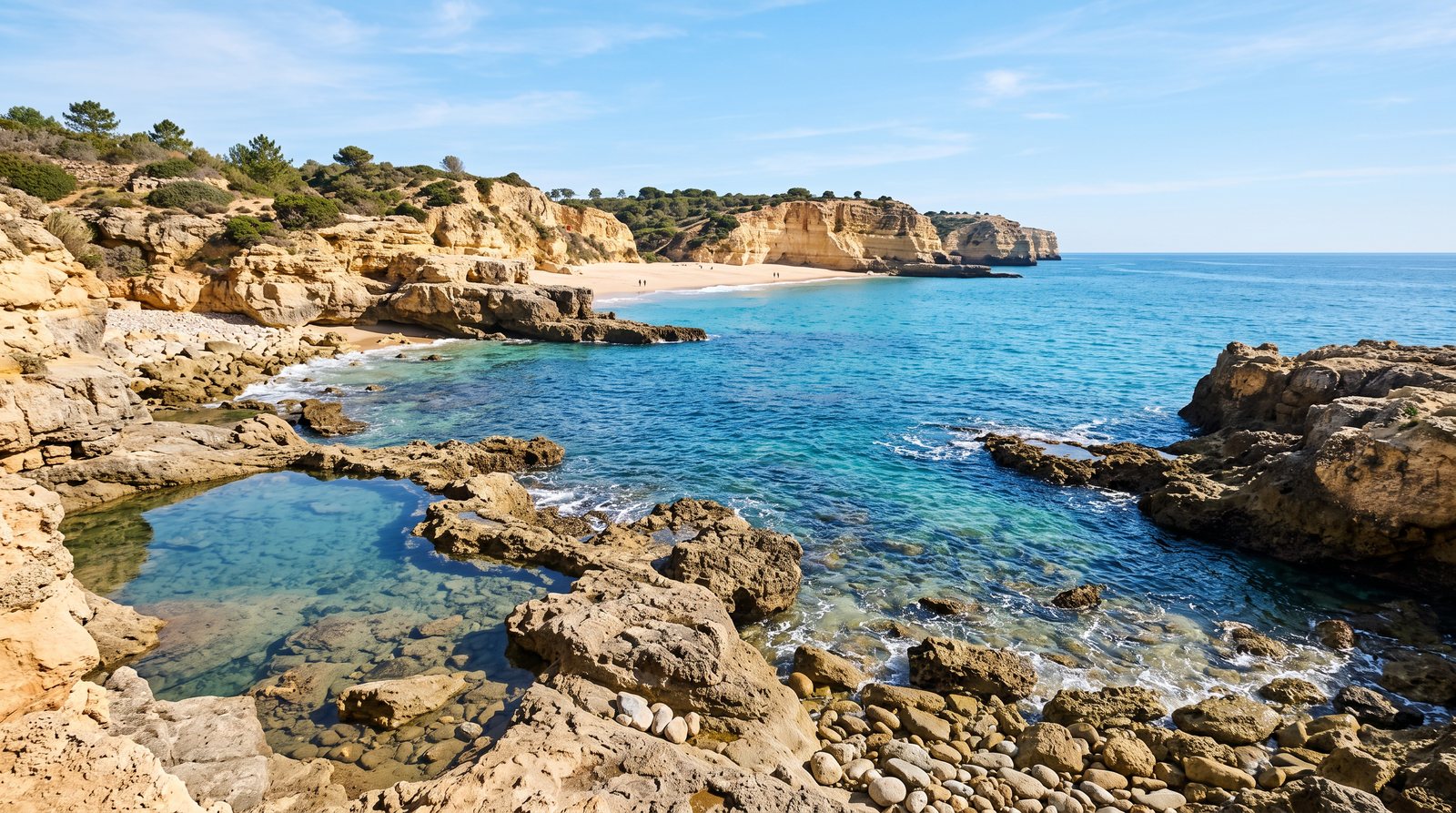
Bermagui sits at a point where the continental shelf is at its closest to the Australian mainland, a geographic anomaly that defines the town’s relationship with the sea. Located on the Sapphire Coast of New South Wales, the town is framed by the dramatic rise of Mount Gulaga to the north and the rugged expanse of the Tasman Sea to the east. The approach involves a transition from the rolling green pastures of the Bega Valley to a coastline characterized by dark, ancient rock formations and water of a deep, crystalline blue. This proximity to the deep ocean is a sensory reality; the air carries a sharper scent of salt, and the horizon feels closer and more immense. It is a place where the land seems to collide with the water, creating a landscape of jagged headlands and sheltered coves that have dictated the town’s layout for generations.
At the base of the cliffs lies the Blue Pool, a natural rock pool enhanced by human hands to become a celebrated swimming spot. Carved into prehistoric stone, the pool is refreshed by the tides of the Pacific Ocean, which crash against the outer wall and spill over in plumes of white spray. The water within is famously clear, often appearing as a vibrant turquoise that contrasts with the somber grey of the surrounding rocks. The experience of swimming there is dictated by the swell and the wind, making every visit slightly different. The pool serves as a focal point for the community, a place where the raw power of the ocean is contained just enough to allow for a quiet, immersive encounter with the elements.
The proximity of the continental shelf has historically made Bermagui a premier destination for deep-sea game fishing, a reputation that remains central to its identity. The Bermagui Fishermen’s Wharf is the heart of this activity, a working harbor where the daily catch is unloaded and the rhythm of the tides governs the local economy. Unlike many coastal towns that have transitioned entirely to tourism, Bermagui retains the grit and authenticity of a functioning port. The wharf is a place of constant motion, where sleek charter boats sit alongside weathered commercial vessels, and the sound of the ocean is punctuated by the cries of gulls. This maritime heritage is reflected in the town’s culinary offerings, with local seafood serving as a staple of the diet and a primary draw for visitors who seek the freshness of a direct connection to the sea.
Beyond the town, the coastline reveals a complex geological history dating back hundreds of millions of years. Formations such as Horse Head Rock stand as silent witnesses to the erosive power of the Tasman Sea. These structures, composed of ancient folded rock, take on surreal shapes that shift in appearance depending on the sun and the tide. The walk between these landmarks requires visitors to navigate rock platforms and sandy stretches that are often submerged during high water. The sheer scale of these formations provides a sense of perspective, reminding the observer of the slow processes that have shaped the Australian continent. It is a landscape that feels both permanent and precarious, a delicate balance between the solidity of the earth and the fluid energy of the water.
To the south lies Mimosa Rocks National Park, an area of significant natural beauty encompassing ecosystems from coastal lagoons to thick eucalyptus forests. The park is named after the Paddle Steamer Mimosa, wrecked on the rocks in the 19th century, a reminder of the treacherous nature of this coastline. Within the park, the landscape shifts from dramatic cliffs to the serene, tea-colored waters of the lagoons, which provide a sanctuary for birdlife. The beaches here are often deserted, offering a sense of isolation increasingly rare in developed regions. The transition from the dense forest to the open sea is abrupt and striking, with the scent of woodsmoke giving way to the bracing salt air.
Despite its rugged surroundings, Bermagui has developed a sophisticated cultural life that sets it apart. The town is home to artisanal producers, from bakers and cheesemakers to cool-climate winemakers who utilize the region’s unique microclimate. This sophistication is a natural extension of the local environment, a commitment to quality and provenance shared by residents and visitors alike. The local markets showcase the diversity of the Bega Valley’s agricultural output alongside the creative works of local artists. It is a town that values the slow pace of life, where the quality of a meal or the craftsmanship of an object is given the time it deserves.
Dominating the northern horizon is Mount Gulaga, a site of immense cultural and spiritual significance to the Yuin people. The mountain, an extinct volcano, is often shrouded in mist, giving it an ethereal quality that contrasts with the sharp lines of the coast. For the local Indigenous community, Gulaga is the mother mountain, a place of creation and a source of strength. Its presence is felt throughout Bermagui, serving as a constant reminder of the deep history of the land. The trails that lead up its slopes move through lush rainforest and granite outcrops to provide panoramic views of the coastline. It is a place of quiet reflection, where the connection between the land, the sea, and the people is most tangibly felt, anchoring the town’s identity in a narrative that spans thousands of years.
Ultimately, Bermagui’s appeal lies in its ability to remain unchanged in the ways that matter most. While it has embraced new ideas and a refined aesthetic, it has not lost its connection to the sea or its sense of community. It remains a place where one can find both adventure and solitude, where the raw beauty of the natural world is always within reach. Whether it is a swim in the Blue Pool, a day spent on the water, or a walk through the national park, Bermagui offers a sense of renewal. It is a serene coastal haven, a place where the sapphire waters and ancient rocks provide a backdrop for a life lived in harmony with the environment. The town stands as a reminder that the most profound experiences are found not in the pursuit of the new, but in the patient observation of the timeless.