Coastal town
Turquoise waters and ancient rock formations define this serene South Coast sanctuary
Narooma stands as a coastal sanctuary where the brilliant turquoise of Wagonga Inlet meets the ancient geology of the South Coast. From snorkeling with fur seals at Montague Island to sampling world-class Sydney Rock oysters, the town offers a profound connection to the Pacific.
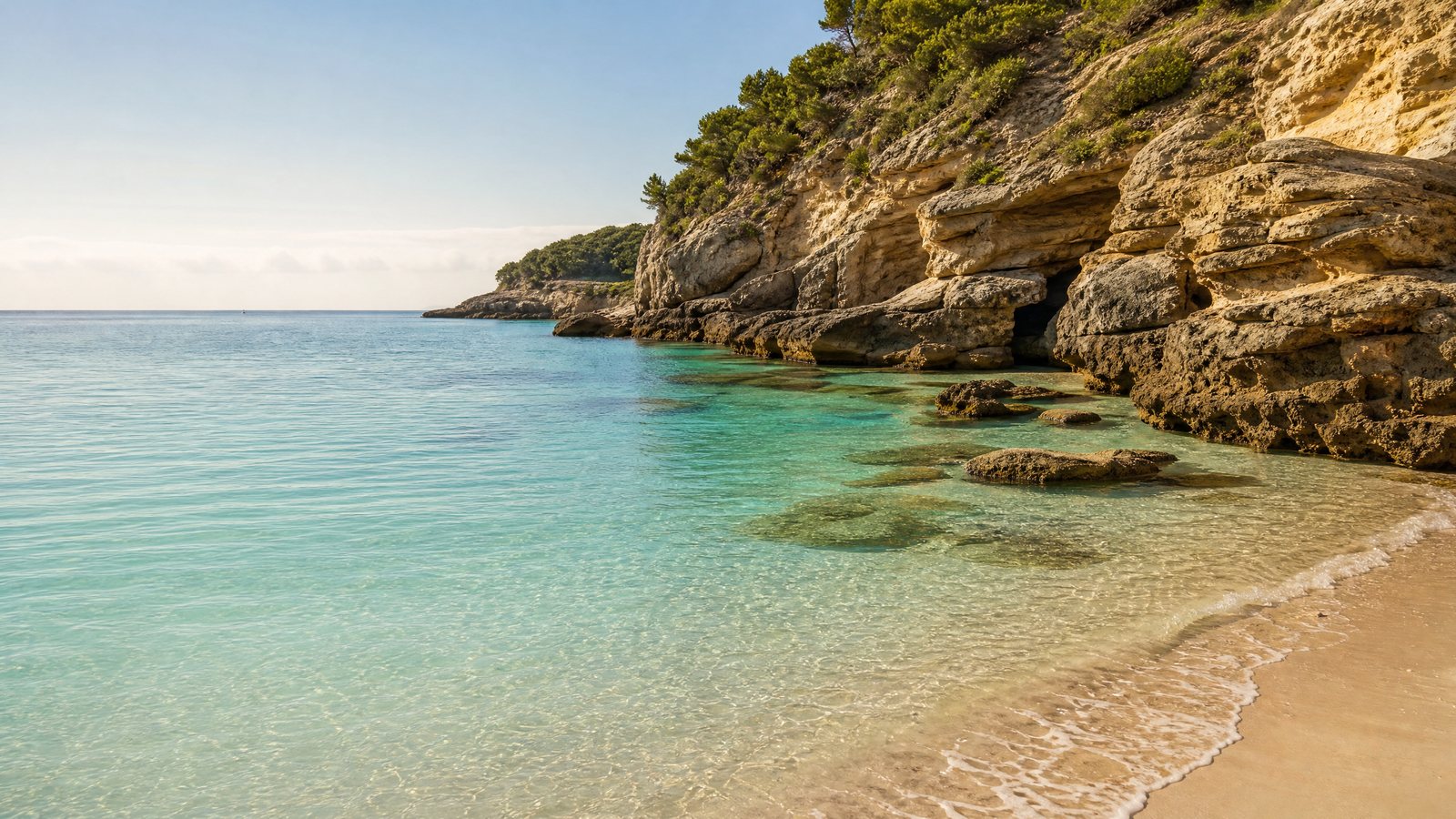
Narooma, a name derived from the Yuin Aboriginal word meaning 'clear blue water,' serves as a primary coastal sanctuary on the New South Wales South Coast. The town is defined by its unique position where the expansive Wagonga Inlet meets the rolling surf of the Pacific Ocean. This geographical junction creates a landscape dominated by light and reflection, where the tide dictates the rhythm of daily life. The inlet itself is a massive tidal system, known for its extraordinary clarity and the vivid turquoise hues that shift in intensity with the sun’s position. Unlike many coastal settlements, Narooma is fundamentally oriented toward its estuaries, with the historic bridge serving as a central vantage point for observing the interplay between the freshwater currents and the incoming sea. The surrounding hills, covered in dense spotted gum forests, provide a dark green frame for the brilliant blues of the water.
The heart of the Narooma experience is the Wagonga Inlet, a body of water that feels more like a living instrument of the environment than a mere geographical feature. The Mill Bay Boardwalk, a 350-metre timber structure hugging the northern shore, offers visitors a literal path over the water, allowing for a close-up view of the marine ecosystem without disturbing its balance. Walking along the boards, one can observe the intricate dance of stingrays and eagle rays gliding through the shallows, their dark silhouettes sharp against the pale sand and vibrant seagrass. The boardwalk serves as a quiet transition between the town’s residential edges and the wilder reaches of the estuary, providing a space for slow observation of the submerged timber and undulating schools of fish.
Gastronomy in Narooma is inseparable from its hydrology. The town is world-renowned for its Sydney Rock oysters, cultivated in the pristine, nutrient-rich waters of the Wagonga Inlet. These oysters are a reflection of the estuary’s health and the patient labor of local growers, such as the Coxon family, who have farmed these waters for over forty years. The historic timber oyster sheds that line the water’s edge are iconic symbols of this heritage, their weathered surfaces telling a story of decades spent working with the tides. Unlike faster-growing varieties, Sydney Rock oysters take several seasons to reach maturity, absorbing the complex mineral qualities of the inlet’s unique mix of salt and fresh water. This slow maturation results in a depth of flavor highly prized by chefs, providing a direct link between the land and sea.
Nine kilometers offshore lies Barunguba Montague Island, a rugged granite outcrop and significant wildlife sanctuary sacred to the Yuin people. The island is a biodiversity hotspot, home to the state’s largest colony of little penguins and a thriving population of Australian and New Zealand fur seals. For visitors, a journey to Montague Island is an immersion into a world where humans are merely observers. The fur seals, often found basking on rocky shelves or playing in the surrounding swell, exhibit a curiosity that makes snorkeling here a transformative experience. The island’s history is anchored by its historic granite lighthouse, a monumental structure that has guided mariners since the late 19th century. This proximity to wild nature ensures that the island remains a sanctuary where the rhythms of migration and nesting continue largely uninterrupted.
The coastline surrounding Narooma is a geological archive, featuring some of the most striking rock formations in Australia. To the south, the Glasshouse Rocks stand as towering sentinels of ancient history, their jagged shapes formed by volcanic activity and millions of years of oceanic erosion. These rocks, along with the nearby Pillow Lava formations, offer a dramatic backdrop to Cemetery Beach, their dark, contorted layers revealing the immense forces that shaped the continent. Closer to the town center, Australia Rock has become a popular landmark, its natural opening bearing a coincidental resemblance to the shape of the Australian mainland. These formations are tangible evidence of the deep time underlying the coastal landscape, providing a sense of scale and permanence contrasting with the fluid, ever-changing nature of the tides.
Narooma’s identity is built upon a foundation of maritime history and small-town resilience. Originally a center for timber and gold, the town evolved into a fishing and tourism hub as the 20th century progressed. The historic bridge remains a vital piece of infrastructure, connecting the two halves of the town and providing a gateway to the south. The architecture reflects this utilitarian heritage, with buildings like Lynch’s Hotel, dating back to 1895, standing as some of the oldest structures in the region. The local community maintains a strong connection to the sea, with fishing fleets and charter boats continuing to operate out of the harbor. This balance allows the natural beauty of the South Coast to remain the primary protagonist, while the town’s infrastructure serves to facilitate access to the surrounding wilderness and the Pacific.
The modern appeal of Narooma lies in its ability to balance high-end gastronomy with raw, unadulterated nature. In recent years, a new generation of chefs and hospitality leaders has been drawn to the region, revitalizing local venues like The Whale and The Quarterdeck. This has led to refined dining experiences that celebrate the harvest of the sea and surrounding farmland, from snapper ceviche to whiting tacos. The protection of the Wagonga Inlet and surrounding national parks ensures that the clean water and abundant wildlife are preserved. It is a model of sustainable tourism where the quality of the experience is directly tied to the health of the ecosystem, creating a destination that is as nourishing for the spirit as it is for the palate, all while respecting the deep cultural heritage of the traditional owners.
Ultimately, Narooma is defined by its clarity—of water, of light, and of purpose. It is a place where the natural world is not a backdrop but a constant presence, demanding attention and respect. The turquoise waters of the Wagonga Inlet, the rugged silhouette of Montague Island, and the ancient formations of the Glasshouse Rocks all contribute to a sense of place that is both unique and timeless. As the sun sets over the spotted gum forests, casting long shadows across the glassy surface of the inlet, the town’s name feels like a promise kept. Narooma remains a serene sanctuary on the South Coast, offering a profound connection to the Pacific and a reminder of the enduring beauty of the Australian landscape. It is a destination that rewards the attentive traveler, providing a wealth of experiences grounded in the facts of the environment.