Country town
Heritage gardens and cricket legends meet in the sophisticated heart of the Southern Highlands
Nestled in the Southern Highlands, Bowral is a refined sanctuary where the legacy of Sir Donald Bradman meets the vibrant blooms of Corbett Gardens. Its grand colonial estates and cool-climate vineyards offer a sophisticated escape into a storied past.
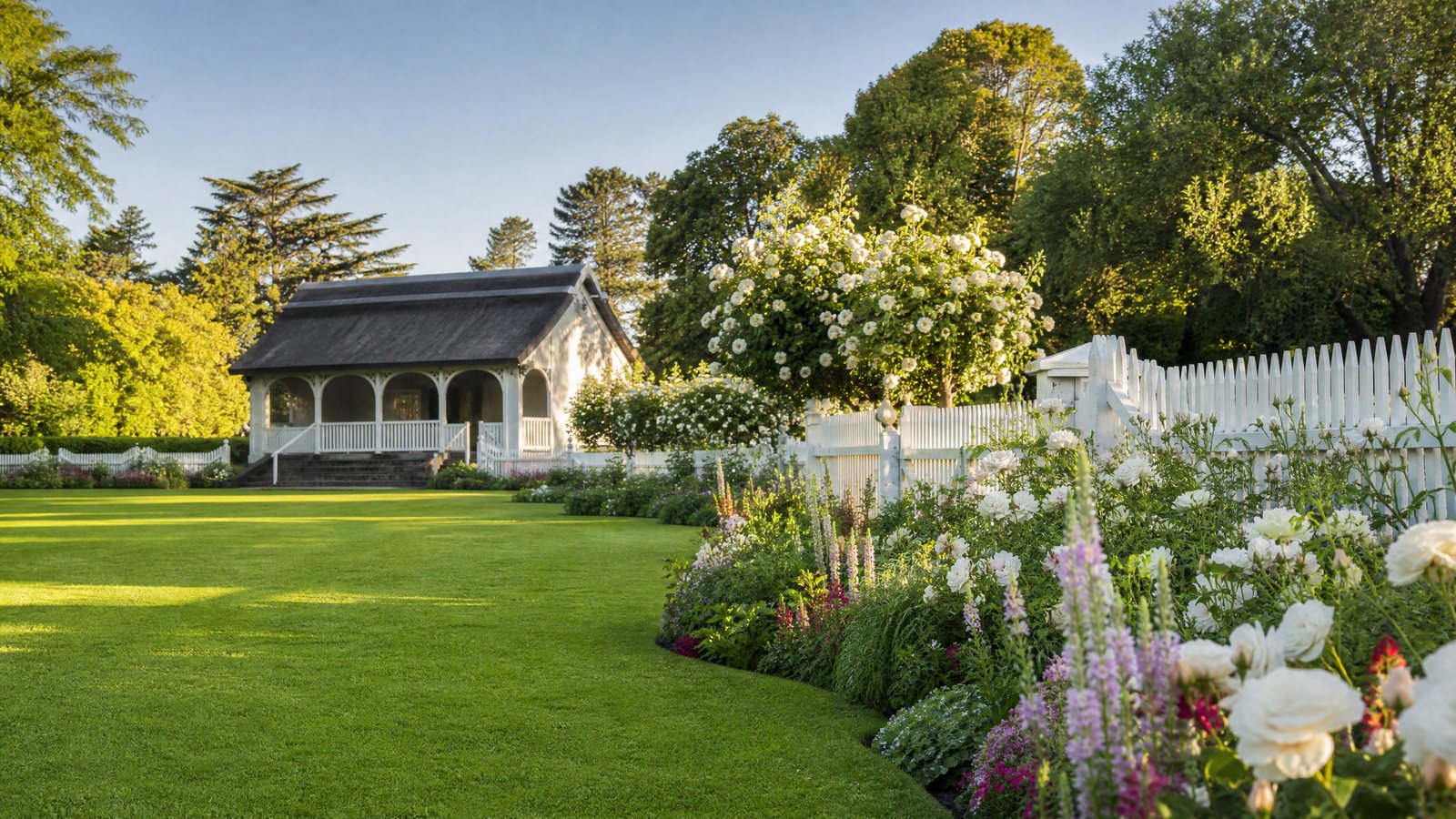
Bowral serves as the primary anchor of the Southern Highlands, a region defined by an elevation and climate distinct from Sydney’s coastal humidity. Located 115 kilometres southwest of the state capital, the town has long been a sophisticated sanctuary for those seeking a slower pace of life. Its colonial history extends back to the late 18th century, with the first European exploration led by ex-convict John Wilson in 1798. Today, its identity is a tapestry of high-altitude landscape and preserved heritage, where the rugged Australian bush meets the refined order of English-style gardens. For over a century, Bowral has maintained a reputation as a destination for travelers drawn to its blend of colonial grandeur and cool-climate viticulture. The town’s streets, lined with deciduous trees that burn with seasonal color, offer a visual narrative of a community that values its historical roots.
At the center of Bowral’s horticultural identity is Corbett Gardens, established in 1911 following a suggestion by Mrs. Ada Corbett to create a dedicated tourist attraction. Since 1960, the site has hosted the Tulip Time Festival, transforming the park into a vibrant mosaic of over 75,000 massed tulips and spring blooms. The festival reflects the region’s suitability for cool-climate gardening, a trait that sets the Southern Highlands apart from much of the Australian landscape. The meticulously planned beds, framed by mature oaks and plane trees, provide a structured beauty that draws visitors from across the country every September. The sight of thousands of blooms in every hue creates a sensory experience that cements Bowral’s status as a premier garden destination, drawing attention to the patient labor required to maintain such a grand public space.
Beyond its gardens, Bowral is synonymous with the legacy of Sir Donald Bradman, who spent his formative years in the town. Today, the Bradman Oval remains a focal point, serving as the site of the Bradman Museum and International Cricket Hall of Fame. This institution traces the evolution of cricket from its 14th-century origins to its modern global status. The collection includes rare memorabilia, interactive displays, and a comprehensive library devoted to the game’s spread. By preserving the heritage of the sport in the very place where Bradman first played, the museum creates a profound connection between the local landscape and a broader national sporting narrative, honoring a hero whose influence remains palpable in the town today.
The architectural character of Bowral is influenced by grand colonial estates built by Sydney’s merchant elite in the late 19th century. Retford Park, a Victorian Italianate mansion built in 1887 for Samuel Hordern, stands as a significant example. Constructed from sandstone and surrounded by extensive gardens, the property was later the home of James Fairfax before being gifted to the National Trust. Similarly, estates like Milton Park and Hopewood House contribute to the town’s atmosphere of historical permanence. These residences, with their expansive lawns and heritage-listed trees, represent a period when Bowral was envisioned as a highland retreat, a legacy that continues to define its sophisticated aesthetic and attracts those interested in Australia’s architectural and social history.
While its heritage is firmly rooted in the past, modern Bowral has evolved into a center for boutique retail and artisanal commerce. The leafy main street and surrounding lanes are home to antique emporiums, chic fashion boutiques, and specialized bookstores. One notable destination is Dirty Jane’s, a sprawling marketplace housing independent dealers offering vintage furniture and rare collectibles. This culture of curated shopping reflects a shift in the town’s economy toward a service-oriented model that caters to a discerning audience. These establishments ensure the town remains a living community rather than a static museum piece, where browsing through an antique shop becomes a form of historical exploration, allowing visitors to connect with the material culture of the past.
The Southern Highlands is recognized as a significant cool-climate wine region, with Bowral serving as its gateway. The area’s volcanic soils and high altitude create ideal conditions for producing elegant, structured wines. Varieties such as Pinot Noir, Chardonnay, and Riesling thrive in the long, cool growing season, resulting in wines with distinct acidity and intense flavor. With over 60 vineyards throughout the highlands, local viticulture has become a cornerstone of the regional identity. Many wineries are family-owned operations emphasizing sustainable practices and traceability, offering visitors a chance to engage directly with the producers. The integration of fine wine into the local hospitality scene has further enhanced Bowral’s reputation as a destination for gastronomic tourism and rural sophistication.
Mount Gibraltar, known locally as "The Gib," provides a dramatic backdrop to the town and a reminder of the region’s geological history. Rising to 863 metres, the mountain is a collapsed volcanic plug offering panoramic views across the surrounding valleys. The reserve features several lookouts, including the Bowral Lookout, which provides vistas stretching toward the Sydney skyline. The mountain’s slopes are covered in eucalyptus forest and cool-climate rainforest, providing habitat for native wildlife like lyrebirds and wallabies. This proximity to the natural world is a defining characteristic of life in Bowral, where the transition from manicured gardens to the rugged beauty of the bush is just a short walk away, offering a constant connection to the ancient landscape that predates the town itself.
In the broader context of New South Wales, Bowral represents a rare intersection of history, nature, and contemporary refinement. It is a town that has managed to preserve its colonial charm without becoming disconnected from the needs of a modern community. Whether through the seasonal spectacle of its gardens, the legacy of its sporting heroes, or the quiet elegance of its heritage estates, Bowral offers a sense of continuity. Its appeal lies in this balance—a place where one can appreciate the patient labor of a century-old garden and enjoy the sophisticated offerings of a modern winery. As the heart of the Southern Highlands, Bowral continues to serve as a testament to the enduring value of place, inviting visitors to experience a region that is both timeless and vital.