Regional city
Discovering wild open plains and colonial heritage in the Macquarie Valley
A comprehensive exploration of Dubbo, where the Macquarie River winds through a landscape defined by open-range conservation, nineteenth-century colonial architecture, and the deep, enduring heritage of the Wiradjuri people on the Great Western Plains.
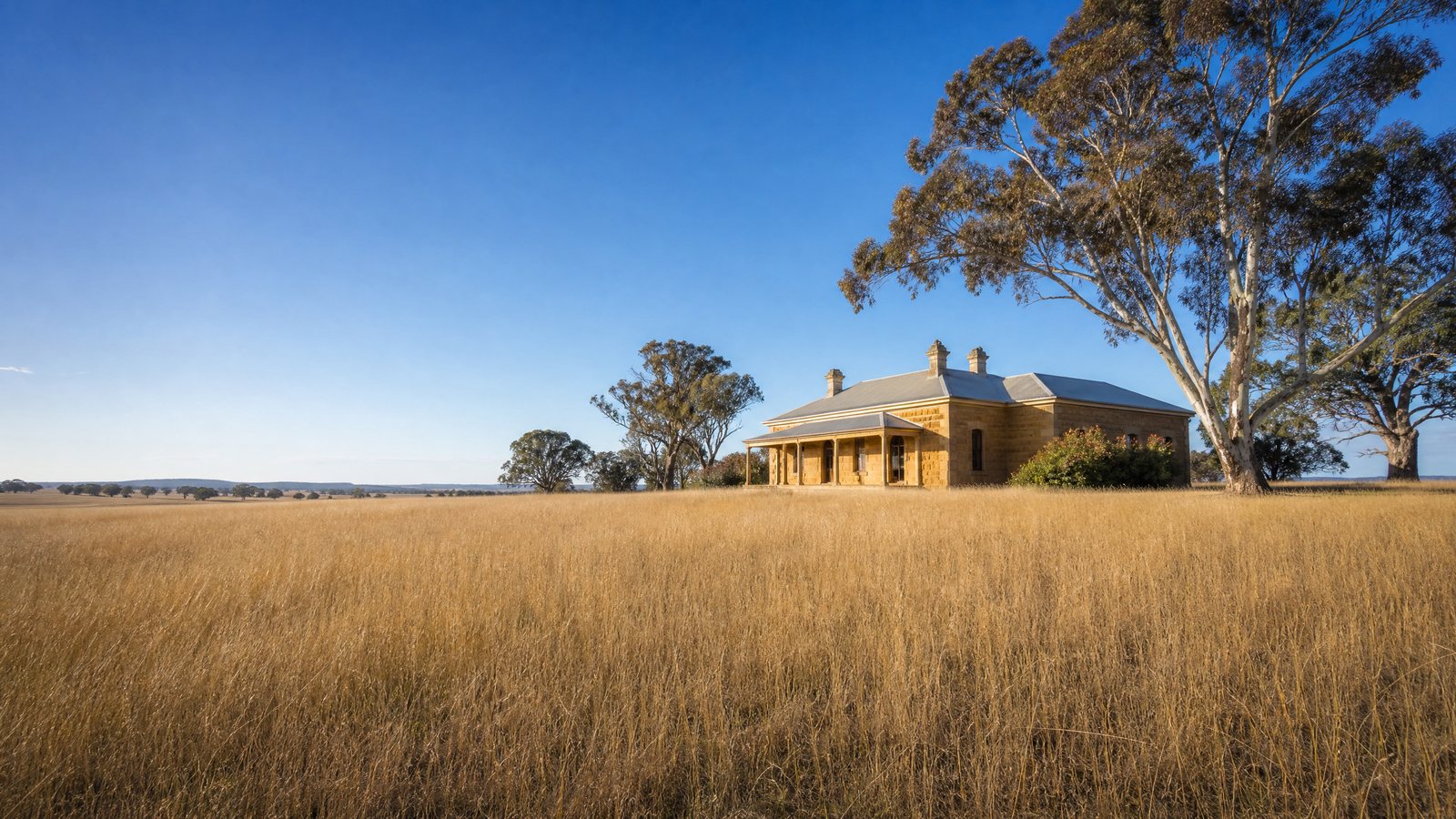
Located at the intersection of the Macquarie River and the expansive horizons of the Great Western Plains, Dubbo serves as a primary anchor for the Central West region of New South Wales. The city’s identity is inextricably linked to the waterway that sustains it, a winding artery that has shaped both the natural ecology and the human history of the Macquarie Valley. Positioned 300 kilometres northwest of Sydney, Dubbo functions as a geographical and cultural threshold, where the rugged topography of the Great Dividing Range yields to the vast, open-range landscapes of the Australian interior. The city today is a complex mosaic of contemporary regional development, pioneering legacy, and profound conservation efforts, all grounded in the fertile soils and alluvial plains that have supported life for millennia. This convergence makes the city a vital point of reference for the state's agricultural and cultural identity.
The deep history of the region predates colonial settlement by thousands of years, with the Wiradjuri people serving as the traditional custodians. The name "Dubbo" is believed to be derived from the Wiradjuri word "Thubbo," meaning "red earth," a reference to the distinctive soil characterising the Macquarie Valley. For the Wiradjuri, the river was not just a resource but a spiritual and social lifeline, facilitating trade and ceremony across the plains. European awareness began in 1818, when explorer John Oxley led an expedition through the valley, noting the richness of the plains and the potential for agricultural expansion. His reports paved the way for the first squatters and settlers who arrived in the mid-1820s, bringing sheep and cattle that would define the regional economy. This period of contact initiated a transformation of the landscape into the productive pastoral holdings that would sustain the colony of New South Wales for generations.
By the mid-nineteenth century, Dubbo had transitioned from a remote outpost into a formalised settlement, officially gazetted as a village in 1849. The architecture of this era remains a visible testament to the city’s colonial ambitions, most notably the Old Dubbo Gaol. Established in 1847 and operating until 1966, the gaol stands as a sobering monument to the nineteenth-century penal system, reflecting the harsh realities of justice and incarceration on the frontier. The heritage-listed site, with its imposing sandstone walls, offers a stark contrast to the vibrant city that now surrounds it. It serves as a reminder of the social structures imposed upon the land during its rapid development, providing a window into the lives of the prisoners and wardens who occupied this space. Visitors can engage with the complexities of colonial history while standing in the heart of the modern regional hub.
A significant evolution in Dubbo’s modern history occurred in 1977 with the opening of the Taronga Western Plains Zoo. Spanning over 300 hectares, the zoo represented a radical departure from traditional zoological design, opting for expansive, open-range exhibits that allowed animals to live in environments mimicking their natural habitats. This facility was conceived as a critical site for the breeding and conservation of endangered species, including rhinoceroses, elephants, and various antelopes. The success of the zoo has positioned Dubbo as a global leader in wildlife conservation, demonstrating how the vast spaces of the Great Western Plains can be leveraged to support international biodiversity. This intersection between global ecological needs and the specific environmental conditions of the New South Wales interior has become a defining characteristic of the city’s contemporary identity.
The economic vitality of the Macquarie Valley continues to be driven by its agricultural productivity, with the region serving as a major producer of wheat and wool. The fertile alluvial soils, combined with the managed waters of the Macquarie River, support a diverse range of farming activities extending far beyond the city limits. This agricultural foundation has fostered a resilient community deeply connected to the rhythms of the land, even as the city embraces technological and industrial growth. The regional hub status of Dubbo is further enhanced by its role as a transport and logistics centre, connecting inland agricultural regions with coastal markets and international ports. Ensuring the ongoing prosperity of Country New South Wales remains a central goal of the city's economic planning.
As the gateway to the Great Western Plains, Dubbo offers a unique perspective on the Australian landscape defined by scale and light. The plains themselves are an ecosystem of immense importance, supporting native flora and fauna adapted to the semi-arid conditions of the interior. The transition from the Macquarie Valley’s riverine environment to the arid expanses of the west creates a dynamic ecological gradient, where species contend with significant variations in rainfall and temperature. Conservation efforts within the region, both at the zoo and in surrounding national parks, are increasingly focused on protecting these unique habitats from the pressures of climate change and land degradation. The Great Western Plains remain a living system requiring careful stewardship to ensure long-term health and productivity for the residents who seek to preserve the integrity of this vast landscape.
Contemporary Dubbo is a city that celebrates its diversity, blending pioneering roots with a vibrant cultural scene. The city’s museums, galleries, and community festivals reflect a population proud of its heritage while looking toward the future. The integration of Aboriginal culture into the city’s public life is an ongoing process, with Wiradjuri heritage being increasingly recognised through art, education, and land management practices. This adds depth to the visitor experience, moving beyond traditional tourist attractions to offer a more nuanced understanding of regional Australia. The city’s parks and public spaces, often situated along the banks of the Macquarie River, provide a venue for social interaction, fostering a sense of community central to Dubbo’s enduring appeal. This cultural landscape reflects the resilience needed to navigate the challenges of regional life.
In conclusion, Dubbo stands as a testament to the enduring power of the Australian interior, where history, conservation, and community converge. From the ancient paths of the Wiradjuri to the modern enclosures of the open-range zoo, the city has continuously adapted to the changing needs of its inhabitants. The Macquarie River remains the constant presence in this narrative, a silent witness to the transformations occurring along its banks. As the city continues to evolve, it remains grounded in the fundamental truths of the Great Western Plains: the importance of the land, the value of water, and the resilience of those who call this region home. Its story is one of adaptation and endurance, reflecting the broader narrative of a nation that continues to find its identity in the spaces between the river and the plains.