Food & Wine
Experience the four seasons and gourmet delights of Australia's premier cool-climate wine region
Nestled on the volcanic slopes of Mount Canobolas, Orange has emerged as a premier cool-climate destination where high-altitude viticulture meets a refined regional food culture, offering a seasonal landscape defined by both elegance and volcanic depth.
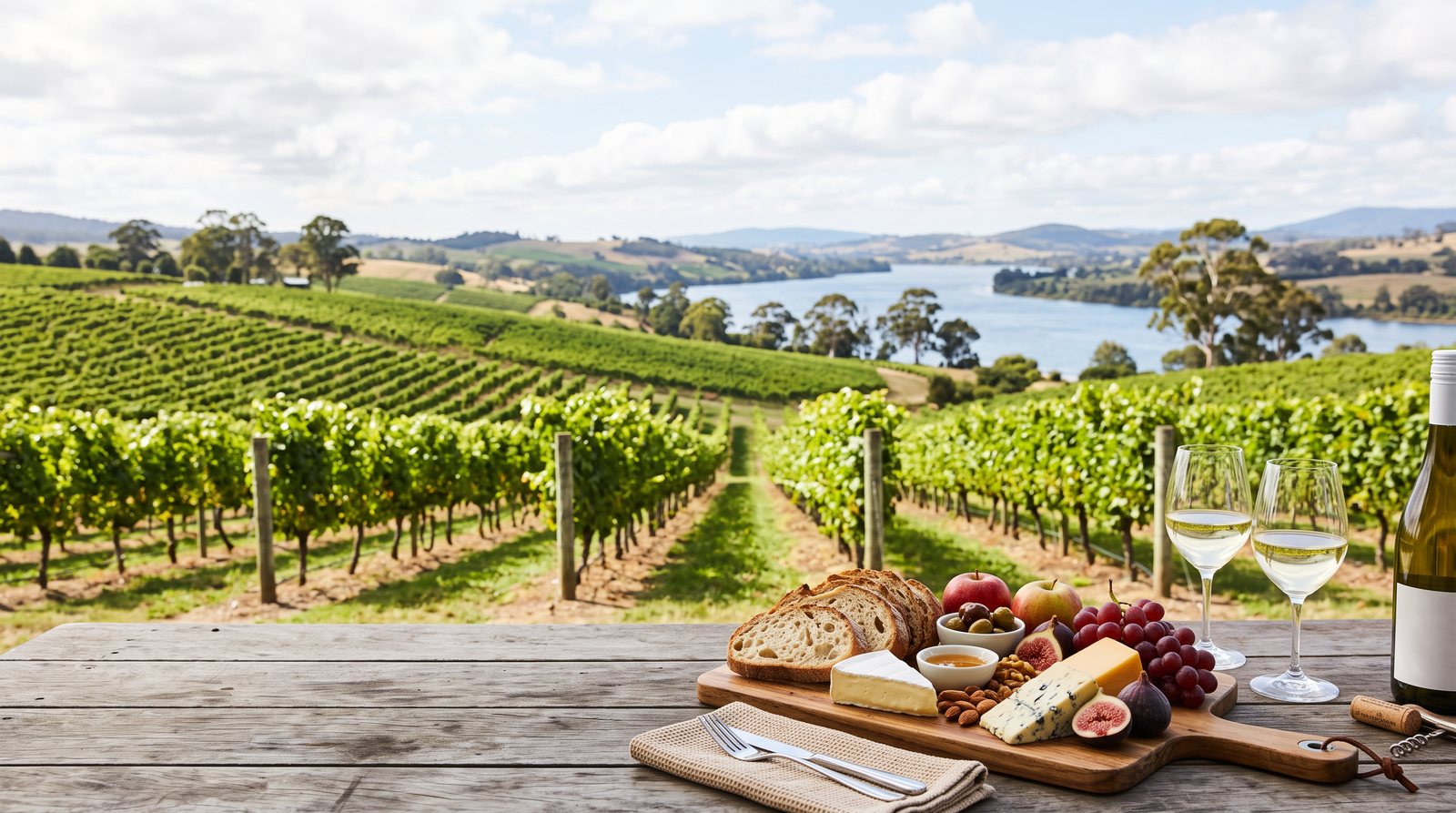
The regional character of Orange is inextricably linked to its deep geological history, specifically the dormant volcanic presence of Mount Canobolas. Rising nearly 1,400 metres above sea level, this ancient shield volcano provided the foundational basalt and volcanic ash that now constitute the region’s exceptionally fertile soils. These rich, red volcanic earths are a defining characteristic of the landscape, dictating the types of vegetation that thrive and the specific mineral qualities of the produce grown here. For the visitor, this legacy is visible in the undulating hills and the sheer fertility of the valley floors, where the transition from rugged slopes to productive plains creates a sense of natural abundance that has sustained the area for generations.
Unlike many of Australia’s warmer wine regions, Orange is defined by its high-altitude viticulture. The vineyards here are situated between 600 and 1,100 metres, making it one of the highest and coolest wine-producing areas in the country. This altitude ensures a longer, cooler ripening period, which allows for the development of complex flavours and a naturally high acidity that lends elegance to the wines. Varieties such as Chardonnay, Pinot Noir, and Shiraz thrive in this environment, producing styles noted for their finesse. The boutique cellar doors scattered throughout the region offer a direct connection to this process, allowing visitors to taste the specific influence of elevation and volcanic soil in every glass.
Orange is committed to the four seasons, a rarity in many parts of the Australian continent. The region is famous for its autumn, when exotic deciduous trees turn into a vibrant palette of gold, orange, and deep crimson. This seasonal shift is a rhythmic part of the local culture, marking the end of the harvest and the preparation for the crisp, often snowy winters that follow. Spring brings a different beauty, with orchards bursting into blossom and the botanic gardens coming alive with new growth. This clear demarcation of time gives the region a sense of grounding, inviting visitors to return throughout the year to experience the distinct character that each season imparts to the landscape.
Mount Canobolas serves as a physical and spiritual anchor for the region. As the highest peak between the Great Dividing Range and the Indian Ocean, it offers panoramic views that stretch across the Central West. The mountain’s slopes are home to a diverse range of sub-alpine flora and fauna, protected within a state conservation area that offers numerous hiking trails. Whether walking through the snow gums near the summit or exploring the ancient rock formations at its base, the mountain provides a constant reminder of the raw natural forces that shaped the region. It is a place of quiet reflection, where the air is noticeably thinner and the sounds of the city below are replaced by the wind.
The culinary identity of Orange is built on local produce and a genuine farm-to-table philosophy. The region’s volcanic soils support an incredible variety of agriculture, from apple and cherry orchards to truffle farms and high-quality livestock. This bounty is the lifeblood of the local food scene, which features award-winning restaurants and cafes that treat the seasonal pantry as a research archive. The relationship between the grower and the chef is unusually close, resulting in menus that are a direct reflection of what is being harvested in the surrounding fields. Local markets and food festivals celebrate this connection, turning the simple act of eating into a meaningful exploration of the region’s environmental and cultural heritage.
The city of Orange possesses a refined urban character that reflects its history as a thriving regional hub. Wide, tree-lined streets and grand Victorian and Edwardian architecture speak to a heritage of prosperity, while a contemporary scene of galleries and artisanal workshops points to a vibrant future. The Orange Botanic Gardens offer a curated experience of the region’s plant life, providing a tranquil space that complements the wilder beauty of the surrounding national parks. There is a sense of care in the way the city is maintained, from the preservation of its heritage buildings to the design of its public spaces. This balance of regional utility and aesthetic grace makes the city a welcoming base for exploration.
Reaching Orange involves a journey through some of New South Wales’ most iconic landscapes. The drive from Sydney takes travelers across the Blue Mountains and through the historic settlements of the Central Tablelands, following the Great Western Highway westward. This route is a transition through time and geography, as urban density gives way to rugged sandstone cliffs and finally the rolling hills of the west. The highway is a vital artery, though travelers are reminded to check for traffic conditions and potential detours, particularly at major passes. This sense of distance and the effort required to reach the region only adds to the reward, making the arrival in the cool, elevated air of Orange feel like a true escape.
Beyond its natural and culinary attractions, the strength of Orange lies in its cultural fabric and the resilience of its community. The region has long been a center for innovation in agriculture and viticulture, driven by a population that values both tradition and progress. This is evident in the boutique cellar doors where winemakers share their knowledge, and in the local workshops where artisans continue to hone their crafts. The sense of community is palpable during the region’s many festivals, which bring together locals and visitors in a shared celebration of the land’s produce. This social cohesion provides a stable foundation for the regional economy, ensuring that Orange remains a place where expertise is passed down through generations.
In the final analysis, Orange is a destination that rewards a considered approach. It is a place where the geological past, the seasonal present, and a sustainable future coexist in a productive balance. To visit Orange is to engage with a landscape shaped by fire and ice, and a culture that has learned to work in harmony with the unique pressures of a high-altitude environment. Whether it is the taste of a cool-climate wine, the sight of a golden autumn leaf, or the feeling of the wind on the summit of Mount Canobolas, the region offers a multitude of ways to reconnect with the natural world. It is a testament to the enduring appeal of the Australian countryside, providing a sophisticated and deeply grounded experience.