Coastal suburb
A quintessential Sydney seaside escape where harbour tranquility meets the Pacific’s rolling surf
Positioned between the calm of the harbour and the Pacific’s swell, Manly offers a storied blend of surfing heritage and coastal tranquility. From its iconic pine-lined promenade to the protected Cabbage Tree Bay, it remains a vital Sydney sanctuary.
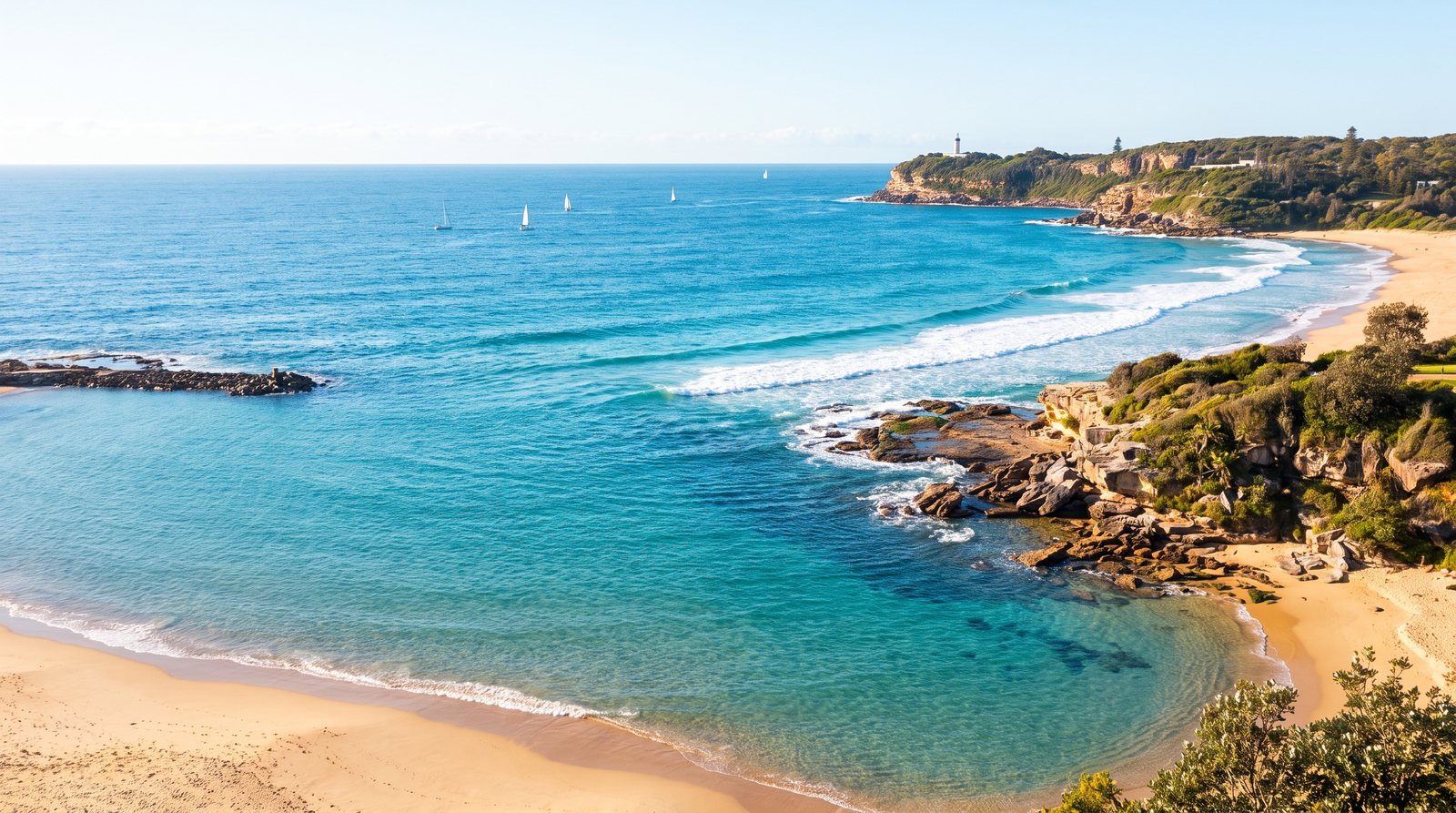
The coastal suburb of Manly occupies a singular position within the geographic and cultural landscape of Sydney, defined by its location on a narrow isthmus between the tranquil waters of North Harbour and the vigorous swells of the Pacific Ocean. This dual orientation has historically shaped the area’s identity, giving rise to the famous mid-twentieth-century slogan describing the destination as "seven miles from Sydney and a thousand miles from care." As one moves away from the verticality of the Central Business District toward the horizontal expanse of the coast, the environment transitions from structured urban commerce to the fluid cycles of a seaside sanctuary. The geography dictates a lifestyle inextricably linked to the water, where the daily commute and the weekend escape are often one and the same, facilitated by a maritime heritage that remains the suburb's primary artery.
The journey to Manly via the public ferry system is a celebrated transit route, serving as both vital civic infrastructure and a profound introduction to the scale of Sydney Harbour. This passage offers a unique perspective on the city’s relationship with its harbour, revealing hidden coves and rugged cliffs characterizing the northern shoreline. For the regular commuter, the thirty-minute voyage provides a meditative buffer between the workplace and home, while for the visitor, it serves as a slow-motion reveal of the coastal fringe. The arrival at Manly Wharf marks the beginning of a transition from the harbour’s sheltered environment to the more exposed, salt-laden air of the ocean side, a movement physically mediated by the pedestrian corridor known as The Corso.
The Corso represents the social and architectural heart of Manly, a wide pedestrian mall connecting the harbour wharf directly to the ocean beach. Originally surveyed in the mid-1800s, this thoroughfare was designed to facilitate the flow of day-trippers who arrived by steamship seeking the health-giving properties of the sea. The architecture along The Corso reflects a layered history, where Victorian-era facades stand alongside Art Deco structures and modern developments. This space functions as a shared civic room, where the cosmopolitan energy of Sydney meets the relaxed tempo of a beachside village. As the sound of the harbour fades and the roar of the Pacific surf grows louder, The Corso fulfills its historic purpose as a gateway, funneling the urban population into the expansive natural arena of the coastline.
One of the most defining visual features of the Manly shoreline is the majestic row of Norfolk Island pines lining the ocean promenade. These towering trees, some dating back to the late nineteenth century, have become synonymous with the suburb’s identity, providing a stark vertical contrast to the horizontal expanse of the beach. Their symmetrical forms create a rhythmic canopy that shades the walkway, offering a place of respite for walkers and spectators. Over the decades, these trees have witnessed the evolution of the beach from a site of strictly regulated bathing to a world-renowned center for surfing and recreation. They stand as silent sentinels of the coast, their silhouettes framing the sunset and providing a sense of continuity in a landscape constantly reshaped by the tides and weather.
Manly’s significance in the history of Australian surf culture is profound, having hosted the first World Surfing Championships in 1964. The beach is divided into several patrolled zones, including South Manly, North Steyne, and Queenscliff, each offering different wave conditions depending on swell direction and sandbank formations. The culture of surfing is deeply embedded in the local community, influencing everything from early morning rhythms to the design of public spaces. The beach is not merely a site for sport but a primary social venue where boundaries between the city and the sea are most porous. The presence of surf lifesaving clubs, with their long traditions of volunteer service and maritime safety, further emphasizes communal responsibility toward the ocean. This heritage of coastal engagement has fostered a deep respect for the power of the Pacific, ensuring the beach remains a place of both exhilaration and careful stewardship.
Beyond the main surf breaks, the Cabbage Tree Bay Aquatic Reserve offers a different perspective on the Manly marine environment. This protected area, encompassing the waters between Manly Ocean Beach and Shelly Beach, is a sanctuary for a diverse range of marine life, including the iconic Eastern Blue Groper, Port Jackson sharks, and various species of rays. The reserve represents a successful model of urban conservation, where the prohibition of fishing has allowed the underwater ecosystem to flourish within sight of residential streets. Snorkelers and divers can explore rocky reefs and seagrass meadows, encountering a vibrant world that remains hidden from the casual observer on the shore. The walk from the main beach to Shelly Beach along the marine parade provides an intimate view of this ecological treasure, highlighting the importance of preserving the biodiversity of Sydney’s coastal waters for future generations.
The natural context of Manly extends upward to the dramatic heights of North Head, a part of the Sydney Harbour National Park offering panoramic views across the harbour entrance to South Head. The sandstone cliffs of the headland, weathered by millennia of wind and waves, provide a rugged contrast to the manicured lawns of the suburb below. North Head is a site of significant historical and ecological importance, home to the former Quarantine Station and a unique community of native flora and fauna, including the endangered Long-nosed Bandicoot. The network of walking trails allows visitors to explore the military history of the site, including fortifications from World War II, while experiencing the profound silence of the coastal wilderness. This area serves as a reminder that Manly is not just a destination for leisure, but a gateway to a larger, more ancient landscape.
In conclusion, the enduring appeal of Manly lies in its ability to maintain a delicate balance between its role as a cosmopolitan hub and its identity as a natural sanctuary. Despite the pressures of modern tourism and urban growth, the suburb retains a distinct village character, characterized by a shared commitment to the coastal environment. The integration of maritime transit, historic architecture, and protected marine spaces creates a multi-layered experience that is uniquely Sydney. Whether viewed from the deck of a ferry at sunset or from the depths of a marine reserve, Manly offers a profound connection to the elements that define the Australian coast. It remains a place where the city pauses to listen to the ocean, a quintessential seaside escape that continues to inspire wonder. Through its pines, its surf, and its sheltered coves, Manly continues to tell the story of a city defined by its relationship with the sea.